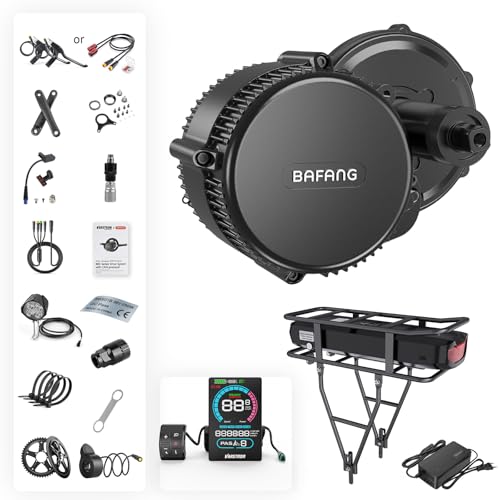
1000W Motor 36V: Powering Your Electric Ride
A 1000W motor paired with a 36V system represents a significant power configuration for personal electric vehicles, particularly in the micromobility sector. This setup offers a distinct performance profile, but its utility is highly dependent on specific use cases and rider expectations. While often advertised for enhanced speed and acceleration, a critical evaluation reveals a nuanced picture.
Understanding the 1000W Motor 36V Configuration
At its core, a 1000W motor signifies its peak power output, measured in watts. This metric relates directly to the motor’s capacity to generate force, influencing acceleration and its ability to maintain speed, especially on inclines or under load. The 36V system refers to the nominal voltage of the battery pack. Voltage, in conjunction with amperage (current), dictates the electrical “pressure” and “flow” available to the motor.
A higher voltage system (like 36V compared to, say, 24V) generally allows for more efficient power delivery at a given amperage, meaning less energy is lost as heat. Combining a 1000W motor with a 36V battery pack means the system is designed to draw a substantial amount of current to achieve that 1000W output. This typically translates to quicker acceleration and higher top speeds compared to lower-powered setups, provided other factors like gearing and controller limits are optimized.
Key Performance Metrics
- Torque: The 1000W rating directly impacts the motor’s torque, which is crucial for climbing inclines and carrying heavier loads.
- Top Speed: While motor power is a primary driver, gearing, wheel size, and rider weight also play significant roles in determining the achievable top speed.
- Acceleration: A higher wattage motor will generally provide more rapid acceleration from a standstill.
Evaluating the 1000W Motor 36V for Your Ride
The decision to opt for a 1000W motor 36V system is not a universal upgrade. Its benefits are most pronounced in specific scenarios, and often come with trade-offs that contrarian thinkers would highlight.
Decision Criterion: Terrain and Load Capacity
The most significant factor influencing the recommendation for a 1000W motor 36V is the intended terrain and the typical load.
- For Steep Inclines and Heavy Loads: If your daily commute involves significant hill climbing or you frequently carry substantial weight (e.g., groceries, a second rider where permitted), the 1000W motor’s increased torque will be invaluable. This is where the system truly justifies its power.
- For Flat Urban Commutes: For riders primarily navigating flat urban environments with minimal load, a 1000W motor 36V system might be overkill. The added power may not be fully utilized, potentially leading to reduced efficiency and shorter battery range compared to a lower-powered motor that is better matched to the load and terrain. In such cases, a 500W or 750W motor on a 36V or 48V system could offer a more balanced performance profile.
Common Myths Surrounding 1000W Motor 36V Systems
The marketing of electric vehicles often simplifies complex technical specifications. Here are a couple of common misconceptions:
- Myth 1: A 1000W motor always means significantly higher top speed.
- Correction: While power contributes to speed, top speed is also heavily influenced by the controller’s programmed limits, the motor’s gearing, wheel diameter, and aerodynamic drag. A 1000W motor on a poorly geared or aerodynamically inefficient platform may not achieve speeds dramatically higher than a well-optimized 750W system. Verify specifications and consider the entire drivetrain.
- Myth 2: More watts directly equates to longer range.
- Correction: This is often counterintuitive. A higher-powered motor, especially when utilized for maximum acceleration or speed, tends to draw more current from the battery, thus reducing range for a given battery capacity. Range is primarily determined by battery capacity (measured in Amp-hours or Watt-hours) and riding efficiency. To maximize range with a 1000W motor, a larger battery pack is essential.
Expert Tips for Optimizing Your 1000W Motor 36V Setup
Maximizing the utility and longevity of your electric ride with a 1000W motor 36V system requires careful consideration.
- Tip 1: Battery Management is Paramount.
- Actionable Step: Invest in the highest capacity (Ah or Wh) 36V lithium-ion battery pack your vehicle can accommodate. This is crucial for offsetting the increased current draw of the 1000W motor and achieving a usable range.
- Common Mistake to Avoid: Using a battery pack with insufficient capacity, leading to rapid depletion and “range anxiety,” or prematurely stressing the battery by consistently drawing maximum current. Always check battery discharge rate (C-rating) compatibility with your motor controller.
- Tip 2: Understand Your Controller’s Role.
- Actionable Step: Familiarize yourself with the motor controller’s settings. Many controllers allow for adjustable power limits, acceleration curves, and top speed governors. Fine-tune these to match your riding style and local regulations.
- Common Mistake to Avoid: Assuming the default controller settings are optimal. Overly aggressive acceleration settings can lead to premature wear on components and reduced battery life. Conversely, under-powering the controller can prevent you from experiencing the full benefits of the 1000W motor.
- Tip 3: Regular Maintenance and Component Checks.
- Actionable Step: Periodically inspect motor mounts, drivetrain components (chain, belt, gears), and electrical connections for wear or damage. This is especially important with higher-powered systems that place greater stress on the vehicle.
- Common Mistake to Avoid: Neglecting maintenance, leading to component failure. A loose motor mount or worn gear can quickly escalate into a more significant and costly repair, particularly when the motor is operating at its potential.
Performance Benchmarks: 1000W Motor 36V vs. Alternatives
The 1000W motor 36V configuration sits in a particular performance tier within the micromobility landscape. Comparing it to other common setups highlights its strengths and weaknesses.
| Motor Power (W) | System Voltage (V) | Typical Use Case | Pros | Cons |
|---|---|---|---|---|
| 250 | 36 | Light urban commuting, flat terrain | Energy efficient, long range, legal in many areas | Limited hill-climbing, slower acceleration |
| 500 | 36 | Moderate urban commuting, moderate hills | Good balance of power and efficiency, decent acceleration | May struggle with very steep inclines or heavy loads |
| 1000 | 36 | Hilly terrain, performance-oriented | Strong acceleration, excellent hill-climbing, higher torque | Higher current draw, potentially shorter range without large battery, may exceed local speed limits |
| 1000 | 48 | Performance, longer range potential | Higher efficiency than 1000W/36V, more power delivery potential | Requires a compatible 48V battery and controller, potentially heavier |
| 1500+ | 48+ | Off-road, high-performance e-bikes | Maximum power and speed, extreme hill-climbing | High current draw, significant battery requirements, often regulated |
Safety and Regulatory Considerations
Operating a vehicle equipped with a 1000W motor 36V system necessitates an awareness of safety protocols and local regulations.
BLOCKQUOTE_0
Speed Limits and Classifications
Many regions have specific regulations regarding the power output and top speed of electric scooters and e-bikes. A 1000W motor 36V setup can often exceed these limits, potentially classifying the vehicle as a moped or motorcycle, which requires different licensing, registration, and insurance. Always verify local laws regarding motor wattage, top speed, and vehicle classification before purchasing or operating such a system.
Braking Systems
With increased power comes increased speed, and thus a greater need for robust braking systems. Ensure your vehicle is equipped with high-quality brakes (e.g., hydraulic disc brakes) capable of safely decelerating from higher speeds.
Frequently Asked Questions
- Q: Will a 1000W motor 36V system fit my existing electric scooter/e-bike?
- A: Compatibility depends on the vehicle’s frame, controller, battery mounting, and wiring harness. Upgrading often requires more than just the motor; a compatible controller and potentially a battery upgrade are usually necessary. Consult the manufacturer or a qualified technician.
- Q: What kind of battery is best for a 1000W motor 36V setup?
- A: A high-quality 36V lithium-ion battery pack with a sufficient Amp-hour (Ah) rating and a high discharge rate (C-rating) is essential. Aim for a capacity of at least 15Ah or more, depending on your expected range.
- Q: Is a 1000W motor 36V system legal for street use?
- A: Legality varies significantly by location. Many jurisdictions limit electric scooters to 250W-750W and a top speed of 15-20 mph. A 1000W system may push the vehicle beyond these limits, requiring it to be classified differently or potentially making it illegal for public road use. Always check your local laws.

Ryan Williams has spent over 8 years testing, repairing, and writing about electric bikes. He has personally ridden and reviewed 150+ e-bike models from brands like Lectric, Aventon, Rad Power, Super73, and dozens more.
Before founding EBIKE Delight, Ryan worked as a bicycle mechanic for 5 years at independent bike shops across California, where he specialized in e-bike conversions and electrical system diagnostics. He holds a Certificate in Electric Vehicle Technology from the Light Electric Vehicle Association (LEVA).
Ryan’s work has been cited by Electric Bike Report, Electrek, and BikeRumor. When he is not testing the latest e-bike on California backroads, he is in his workshop tearing down batteries and controllers to understand what makes them tick — and what makes them fail.
Areas of Expertise
E-bike performance testing and real-world range verificationBattery diagnostics, charging best practices, and safetyBrand comparisons: Lectric, Aventon, Rad Power, Super73, and moreError code troubleshooting across major e-bike systemsE-bike laws, registration, and compliance by state
Ryan believes every rider deserves honest, hands-on information — not marketing hype.