Finding the Best Electric Bike Trails Near You
If you are comparing options here, Where to Find the Electric Bike in Pok茅mon Sword is a relevant choice worth checking.

- Take your game sessions up a notch with the Nintendo Switch Pro Controller
- Handheld Nintendo Switch gaming at a great price
- Comes with charging cable (USB C to USB A)
Quick Answer
- Utilize dedicated e-bike apps and websites: Platforms like Trailforks and AllTrails often have filters or specific e-bike trail designations.
- Check local land manager regulations: Many parks and forests have rules about where e-bikes are permitted, which can vary significantly.
- Consult local bike shops: E-bike specific shops are a goldmine for current trail conditions and local e-bike friendly routes.
Who This Is For
- Electric bike owners looking to explore new routes legally and safely.
- Cyclists seeking to understand e-bike specific trail access and etiquette.
What to Check First
- E-bike Classification: Understand your e-bike’s class (1, 2, or 3) as trail access often depends on this. Class 1 e-bikes (pedal-assist only, max 20 mph) generally have the broadest access.
- Local E-bike Regulations: Verify rules for federal lands (BLM, National Forests), state parks, and local municipal trails. These are frequently updated.
- Trail Surface Suitability: Ensure the trails you’re considering are suitable for your e-bike’s tires and weight capacity. Not all trails are built for the added power and weight.
- Trail Status Updates: Check for temporary closures due to weather, maintenance, or wildlife activity.
Step-by-Step Plan for Finding the Best Electric Bike Trails Near You
1. Identify Your E-bike Class:
- Action: Locate the specifications sticker on your e-bike or consult its manual.
- What to look for: The e-bike’s classification number (1, 2, or 3) and its maximum assisted speed.
- Mistake: Assuming all e-bikes have the same access rights; different classes have different restrictions.
2. Research Federal and State Land E-bike Policies:
- Action: Visit the official websites of the Bureau of Land Management (BLM), U.S. Forest Service, and your state’s park system.
- What to look for: Specific e-bike usage policies, often found in sections related to “Off-Highway Vehicles” or “Recreational Access.” Look for designated trail networks or blanket bans/allowances.
- Mistake: Relying on outdated information; policies change frequently, especially for emerging e-bike use.
3. Utilize E-bike Focused Trail Apps and Websites:
- Action: Download and explore apps like Trailforks, AllTrails, or MTB Project.
- What to look for: Filter options for “e-bike friendly” or “Class 1 e-bike allowed.” Pay attention to user-submitted comments regarding e-bike experiences.
- Mistake: Not cross-referencing app data with official land manager rules; apps can sometimes lag behind official policy changes.
4. Consult Local Bike Shops:
- Action: Visit or call reputable local bike shops that specialize in or sell e-bikes.
- What to look for: Recommendations for local e-bike friendly trails, current conditions, and any local e-bike riding groups or events.
- Mistake: Only seeking advice from general outdoor stores; e-bike specific shops have the most up-to-date, granular knowledge.
5. Examine Trail Maps for E-bike Symbols or Designations:
- Action: Once you have potential trails, closely examine their official maps or digital versions.
- What to look for: Any symbols indicating e-bike restrictions or allowances. Some maps use specific icons for different e-bike classes.
- Mistake: Overlooking small print or symbols on maps that denote restrictions.
6. Prioritize Trails with Clear E-bike Acceptance:
- Action: Favor trails where e-bike use is explicitly permitted by the managing authority.
- What to look for: Trail descriptions or signage that state “e-bikes welcome” or “Class 1 e-bikes permitted.”
- Mistake: Assuming a trail is open to e-bikes just because it’s a bike trail; many are still restricted to traditional bikes.
7. Check for Trail Conditions and Suitability:
- Action: Before heading out, check recent trail reports or ask local riders about current conditions.
- What to look for: Information on mud, snow, downed trees, or erosion that might make a trail unsuitable for your e-bike’s weight and tire type.
- Mistake: Riding on trails that are too technical or in poor condition for your e-bike, leading to damage or unsafe riding.
Finding the Best Electric Bike Trails Near You: A Comparison Framework
If you are comparing options here, E-BIKE BOOKS 1: Electric bicycle manufacturing and repair beginner’s guide is a relevant choice worth checking.
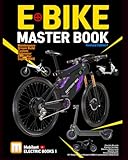
- Hwang, InKwan (Author)
- English (Publication Language)
- 493 Pages - 05/01/2022 (Publication Date) - Independently published (Publisher)
When evaluating resources for finding e-bike trails, consider the following factors:
| Resource Type | Depth of Information | E-bike Specificity | User Community Input | Ease of Use |
|---|---|---|---|---|
| <strong>Dedicated E-bike Apps</strong> | High | Very High | Moderate to High | High |
| <strong>Land Manager Websites</strong> | Variable | Low to High | Low | Moderate |
| <strong>Local Bike Shops</strong> | High | Very High | High (local knowledge) | High |
| <strong>General Trail Apps</strong> | High | Low to Moderate | High | High |
Best-Fit Picks by Use Case
- Best for Beginners: Trailforks. This app offers a robust filtering system and a large database of trails. Its user-generated content often includes specific comments about e-bike suitability and difficulty, making it easier for new e-bike riders to find accessible routes.
- Trade-off: While generally accurate, always double-check official regulations as app data can sometimes be slightly delayed.
- Best for Deep Dives into Regulations: Official U.S. Forest Service and BLM Websites. For definitive answers on trail access, these government sites are the ultimate authority. They provide detailed policy documents and often interactive maps.
- Trade-off: Can be dense and difficult to navigate, requiring patience to find specific e-bike rules for a given region.
- Surprising/Under-the-Radar Pick: Local E-bike Advocacy Groups. Many regions have local groups dedicated to promoting e-bike access and responsible riding. Searching for these groups online can lead to insider knowledge, curated trail lists, and community-vetted routes that aren’t widely advertised.
- Skip if: You prefer to discover trails independently without community interaction.
- Trade-off: Information might be less structured and more anecdotal compared to formal apps or websites.
Common Mistakes
- Assuming all trails are open to all e-bike classes. — This is a critical error that can lead to fines or trail closures. Different classes have different restrictions based on speed and throttle use. — Fix: Always verify your e-bike’s class and cross-reference it with specific trail regulations for that class.
- Relying solely on general trail apps without checking official sources. — General apps may not always have the most current or accurate e-bike access information, which can change rapidly. — Fix: Use general apps as a starting point, but always confirm trail access with the relevant land management agency’s official website or signage.
- Ignoring trail surface suitability for your e-bike. — E-bikes are heavier and can have different tire types than traditional bikes, making some trails unsuitable or potentially damaging. — Fix: Consider your e-bike’s weight, tire width, and suspension when selecting trails. Look for trail descriptions that mention surface type (e.g., gravel, singletrack, fire road).
- Not understanding local e-bike etiquette. — Riding an e-bike in a way that is disruptive or unsafe can lead to negative perceptions and stricter regulations. — Fix: Be mindful of other trail users, maintain appropriate speeds, and yield when necessary. Understand the “leave no trace” principles.
Decision Checklist for Finding Trails
- [ ] Have I identified my e-bike’s class (1, 2, or 3)?
- [ ] Have I checked the official website of the land manager (e.g., Forest Service, BLM, State Parks) for e-bike rules for the area I plan to visit?
- [ ] Does my chosen trail app or website have a specific filter or designation for e-bike accessibility?
- [ ] Have I read recent user comments or trail reports regarding e-bike suitability on the intended trail?
- [ ] Is the trail surface appropriate for my e-bike’s weight and tire type?
FAQ
- Q: Are e-bikes allowed on all mountain bike trails?
- A: No, e-bike access varies significantly. Many trails are restricted to traditional bikes, while others permit specific e-bike classes (often Class 1). Always check local regulations.
- Q: Which e-bike class has the most trail access?
- A: Class 1 e-bikes (pedal-assist only, max 20 mph) generally have the broadest access, as they most closely resemble traditional bicycles in terms of assistance.
- Q: How do I know if a trail is e-bike friendly if it’s not explicitly stated?
- A: Look for trails designated for motorized use, or check with local land managers. If a trail is a multi-use path with no motorized restrictions, it might be permissible, but always confirm.
- Q: Can I ride my e-bike on hiking trails?
- A: Generally, no. E-bikes are often considered motorized vehicles and are restricted from non-motorized trails. Hiking trails are typically reserved for pedestrians and non-motorized users.
How this list was curated
- We selected titles using clarity, practical usefulness, and long-term relevance.
- We balanced foundational picks with specialized options for different reader goals.
Structured Pick Cards
**Utilize dedicated e-bike apps and websites
- Best for: readers who want practical takeaways and clear progression.
- Skip if: you need only advanced theory with little implementation guidance.
- Trade-off: stronger depth can mean a slower pace in some chapters.
**Check local land manager regulations
- Best for: readers who want practical takeaways and clear progression.
- Skip if: you need only advanced theory with little implementation guidance.
- Trade-off: stronger depth can mean a slower pace in some chapters.
By Reader Level
- Beginner: start with one fundamentals pick and one habit-building pick.
- Intermediate: prioritize books with frameworks you can apply weekly.
- Advanced: choose deeper titles focused on systems and decision quality.

Ryan Williams has spent over 8 years testing, repairing, and writing about electric bikes. He has personally ridden and reviewed 150+ e-bike models from brands like Lectric, Aventon, Rad Power, Super73, and dozens more.
Before founding EBIKE Delight, Ryan worked as a bicycle mechanic for 5 years at independent bike shops across California, where he specialized in e-bike conversions and electrical system diagnostics. He holds a Certificate in Electric Vehicle Technology from the Light Electric Vehicle Association (LEVA).
Ryan’s work has been cited by Electric Bike Report, Electrek, and BikeRumor. When he is not testing the latest e-bike on California backroads, he is in his workshop tearing down batteries and controllers to understand what makes them tick — and what makes them fail.
Areas of Expertise
E-bike performance testing and real-world range verificationBattery diagnostics, charging best practices, and safetyBrand comparisons: Lectric, Aventon, Rad Power, Super73, and moreError code troubleshooting across major e-bike systemsE-bike laws, registration, and compliance by state
Ryan believes every rider deserves honest, hands-on information — not marketing hype.
Last update on 2026-06-23 / Affiliate links / Images from Amazon Product Advertising API