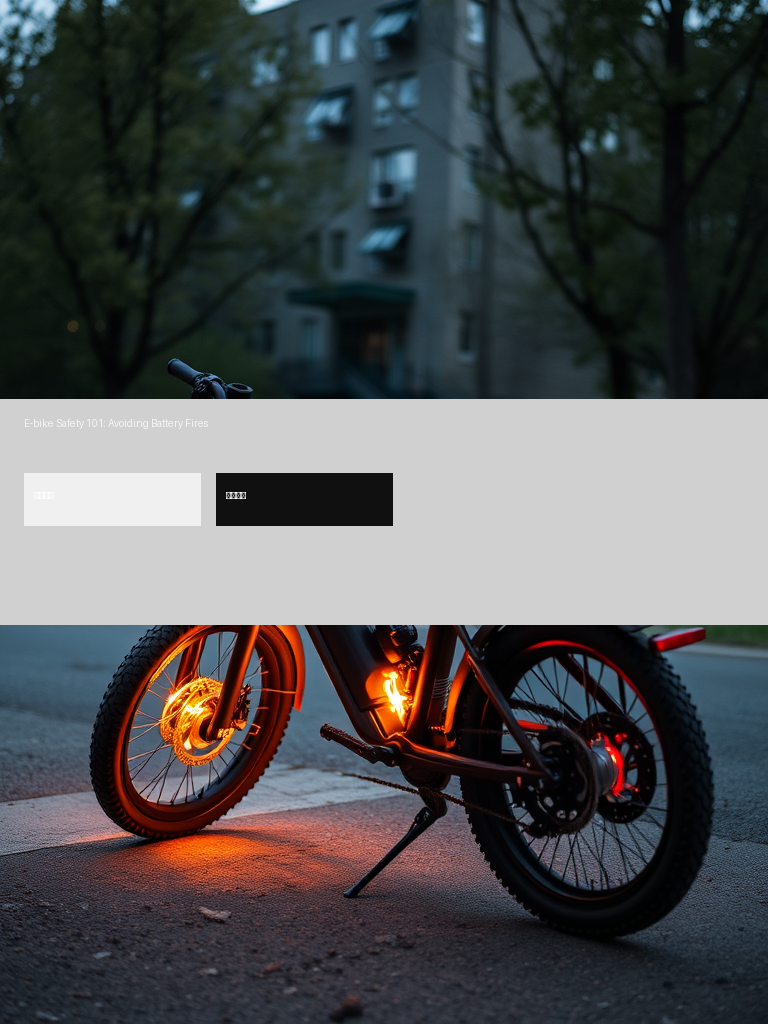
How To Master Your Power Ride University Experience
Navigating the world of personal electric vehicles, especially e-scooters and e-bikes, can feel like enrolling in a new kind of university. This guide, your syllabus for Power Ride University, will equip you with the knowledge to confidently operate, maintain, and integrate your electric ride into your daily urban commute. We’ll cover everything from essential gear to smart charging and understanding local regulations, ensuring you graduate with flying colors.
Understanding Your Electric Ride: The Core Curriculum
Before you even think about hitting the streets, it’s crucial to understand the fundamentals of your electric scooter or e-bike. This isn’t just about knowing how to accelerate; it’s about comprehending the technology that powers your urban mobility.
Key Components and Their Functions:
- Battery: Typically lithium-ion, this is the heart of your ride. Understanding its capacity (measured in Watt-hours or Amp-hours) dictates your range. For example, a 36V 10Ah battery offers 360Wh of energy, translating to a certain mileage depending on terrain and rider weight.
- Motor: Usually a hub motor integrated into the wheel, it provides the propulsion. Power is measured in Watts (W). Higher wattage generally means better acceleration and hill-climbing ability.
- Controller: The brain of the operation, managing power flow from the battery to the motor based on your throttle input.
- Display: Shows speed, battery level, and riding mode. Familiarize yourself with its indicators.
Common Failure Point: Battery degradation is a primary concern. Overcharging, deep discharging, or exposing the battery to extreme temperatures can shorten its lifespan. Always use the charger provided with your vehicle and avoid leaving it plugged in indefinitely after reaching full charge.
Essential Gear and Safety Protocols for Power Ride University
Safety is paramount, and just like any university, having the right tools and adhering to protocols will set you up for success. This section focuses on the non-negotiables for a safe and enjoyable ride.
Mandatory Equipment:
- Helmet: A certified helmet (e.g., DOT, ECE, CPSC) is non-negotiable. Ensure it fits snugly and covers your forehead. A common mistake is wearing a helmet that’s too loose or doesn’t provide adequate coverage.
- Lights: Front white light and rear red light are essential for visibility, especially during dawn, dusk, and nighttime. Many e-scooters and e-bikes come with integrated lights, but consider an auxiliary set for added safety.
- Reflective Gear: High-visibility clothing or reflective strips on your backpack and apparel significantly increase your conspicuity to other road users.
Prerequisites for Operation:
- Familiarization Ride: Before commuting, take your ride out for a controlled test in a safe, open area. Practice braking, accelerating, and turning. Understand the throttle response and braking power.
- Pre-Ride Check: Every time you ride, perform a quick check:
- Tire Pressure: Ensure tires are inflated to the manufacturer’s recommended PSI. Under-inflated tires increase rolling resistance and reduce range.
- Brakes: Test both front and rear brakes to ensure they engage effectively.
- Lights & Horn: Verify all lights and the horn are functioning.
Mastering the Ride: Step-by-Step Execution
This is your practical exam. Follow these steps to confidently navigate your urban environment.
Step 1: Route Planning and Local Regulations
- Action: Before your first commute, plan your route using a mapping app that supports e-scooter/e-bike paths or bike lanes. Research your local laws regarding speed limits, helmet mandates, and where you are permitted to ride (e.g., sidewalks, bike lanes, roads). For instance, in many cities, e-scooters are prohibited on sidewalks.
- Concrete Constraint: If your city’s speed limit for e-scooters is 15 mph, ensure your vehicle’s setting is adjusted accordingly and that you are aware of posted speed limits on your chosen path.
- Information Gain: Understanding your local regulations prevents fines and ensures safer integration with other traffic. Many cities have specific ordinances that differ from general cycling laws.
Step 2: Charging and Battery Management
- Action: Charge your battery fully before long rides. Avoid charging in extreme temperatures (below freezing or above 100°F/38°C). Use the original charger.
- Concrete Constraint: For a typical 300-500Wh battery, a full charge can take 4-6 hours. Plan your charging schedule accordingly.
- Common Failure Point: Overcharging can damage lithium-ion batteries. Most modern chargers have overcharge protection, but unplugging once fully charged is a good practice.
Step 3: Riding Techniques
- Action: Start with gentle acceleration. Anticipate stops and brake smoothly, using both brakes for maximum stopping power. Maintain a stable posture and keep your eyes on the road ahead, scanning for hazards.
- Concrete Constraint: Practice emergency stops in a safe area. Aim to come to a complete stop within a predetermined distance (e.g., 10-15 feet from a moderate speed).
- Information Gain: Smooth acceleration and braking conserve battery life and provide a more comfortable ride for yourself and those around you.
Troubleshooting and Pitfalls: Navigating Common Issues
Even with diligent preparation, you might encounter minor issues. Knowing how to address them quickly will keep you moving.
Issue: Reduced Range
- Possible Causes: Under-inflated tires, excessive hills, high speeds, rider weight, cold temperatures, or battery aging.
- Troubleshooting:
1. Check Tire Pressure: Ensure tires are inflated to the recommended PSI.
2. Review Riding Style: Avoid aggressive acceleration and braking.
3. Consider Temperature: Cold weather significantly reduces battery performance.
4. Battery Health: If the issue persists across different conditions, the battery might be degrading and require professional assessment.
- Preventive Check: Regularly monitor your range on familiar routes to detect gradual decreases that might indicate battery wear.
Issue: Motor Not Engaging
- Possible Causes: Loose connections, controller fault, battery not seated properly, or safety interlock (e.g., kickstand not up on some e-bikes).
- Troubleshooting:
1. Check Battery Connection: Ensure the battery is securely locked in place.
2. Inspect Visible Connections: Look for any obviously loose wires near the motor or controller (ensure the vehicle is off and unplugged before doing so).
3. Review Manual: Consult your vehicle’s manual for specific error codes or troubleshooting steps.
- Common Failure Point: A loose battery connection is surprisingly common and easily fixed by reseating the battery.
Issue: Unresponsive Brakes
- Possible Causes: Worn brake pads, misaligned brake calipers, or hydraulic fluid leaks (for hydraulic brakes).
- Troubleshooting:
1. Inspect Brake Pads: Check for visible wear. Replace if they are significantly thin.
2. Adjust Brake Tension: Tighten brake cables if they feel loose (for mechanical brakes).
3. Check for Leaks: If you have hydraulic brakes, look for any signs of fluid leakage around the brake lines or levers.
- Preventive Check: Adjust your brakes regularly. A slight squeak or reduced stopping power is an early warning sign.
Expert Tips for Power Ride University Graduates
To truly excel, go beyond the basics with these insider tips.
- Tip 1: Optimize for Range
- Actionable Step: Ride in the most efficient mode your vehicle offers (often indicated as “Eco” or “Normal” mode). Avoid “Sport” modes for daily commuting unless necessary for hills or traffic merging.
- Common Mistake: Constantly using the highest power mode, which drains the battery significantly faster and can lead to “range anxiety” prematurely.
- Tip 2: Understand Your Charging Habits
- Actionable Step: Aim to keep your battery between 20% and 80% for daily use, only charging to 100% for longer planned trips. This can extend battery lifespan.
- Common Mistake: Frequently charging from near-empty to full, or leaving the battery at 100% for extended periods, especially in warm environments.
- Tip 3: Invest in Quality Maintenance
- Actionable Step: Schedule an annual professional check-up for your e-scooter or e-bike, similar to how you’d service a car. This can catch potential issues before they become major problems.
- Common Mistake: Only performing maintenance when something is visibly broken, leading to more expensive repairs and potential safety hazards.
Power Ride University Decision Criteria: Range vs. Portability
When choosing a personal electric vehicle, a key decision criterion often hinges on your primary use case: range needed for your commute vs. the need for portability.
- If your commute is long (e.g., over 10 miles each way) and you have reliable charging at your destination or home: Prioritize a vehicle with a larger battery capacity (higher Watt-hours) for extended range. A typical e-bike with a 500Wh+ battery might be ideal.
- If you need to carry your vehicle upstairs, onto public transport, or store it in a small apartment: Focus on lighter, more compact models. Foldable e-scooters or lighter e-bikes with smaller batteries (e.g., 250-350Wh) might be a better fit, even if they offer less range.
Example: A student living in a city apartment with a 3-mile commute and a need to carry their scooter onto a bus would likely choose a lightweight, foldable e-scooter (e.g., around 30 lbs with a 20-mile range) over a heavier e-bike that offers 50+ miles of range but is difficult to transport.
Verification Checklist: Are You Ready to Graduate?
Use this checklist to ensure you’ve mastered the essentials of your Power Ride University experience.
- [ ] Helmet Fit: Does your helmet fit snugly, with no wobble, and cover your forehead? (Pass/Fail)
- [ ] Brake Functionality: Do both front and rear brakes engage effectively and bring the vehicle to a controlled stop? (Pass/Fail)
- [ ] Tire Inflation: Are your tires inflated to the manufacturer’s recommended pressure? (Pass/Fail)
- [ ] Local Laws Understood: Can you articulate the primary speed limit and where you are permitted to ride in your city? (Pass/Fail)
- [ ] Pre-Ride Routine: Do you perform a quick check of brakes, tires, and lights before each ride? (Pass/Fail)
- [ ] Charging Protocol: Do you use the correct charger and avoid leaving the battery plugged in indefinitely after reaching 100%? (Pass/Fail)
Frequently Asked Questions (FAQ)
- Q: How often should I clean my electric scooter or e-bike?
A: Clean your ride regularly, especially after riding in wet or dusty conditions. Use a damp cloth and mild soap. Avoid high-pressure water jets, which can damage electrical components. Wipe down the frame, handlebars, and wheels.
- Q: What is “range anxiety” and how can I avoid it?
A: Range anxiety is the fear of running out of battery before reaching your destination. You can avoid it by planning your routes, understanding your vehicle’s true range under your riding conditions, ensuring your battery is adequately charged, and knowing where charging points or alternative transport options are available.
- Q: Can I ride my e-scooter in the rain?
A: Most modern e-scooters and e-bikes have some level of water resistance (e.g., IPX4 rating), meaning they can handle light rain. However, heavy downpours or riding through puddles can damage electrical components. Always check your vehicle’s water resistance rating and ride cautiously in wet conditions, as braking distances will increase.
CODEBLOCK_0

Ryan Williams has spent over 8 years testing, repairing, and writing about electric bikes. He has personally ridden and reviewed 150+ e-bike models from brands like Lectric, Aventon, Rad Power, Super73, and dozens more.
Before founding EBIKE Delight, Ryan worked as a bicycle mechanic for 5 years at independent bike shops across California, where he specialized in e-bike conversions and electrical system diagnostics. He holds a Certificate in Electric Vehicle Technology from the Light Electric Vehicle Association (LEVA).
Ryan’s work has been cited by Electric Bike Report, Electrek, and BikeRumor. When he is not testing the latest e-bike on California backroads, he is in his workshop tearing down batteries and controllers to understand what makes them tick — and what makes them fail.
Areas of Expertise
E-bike performance testing and real-world range verificationBattery diagnostics, charging best practices, and safetyBrand comparisons: Lectric, Aventon, Rad Power, Super73, and moreError code troubleshooting across major e-bike systemsE-bike laws, registration, and compliance by state
Ryan believes every rider deserves honest, hands-on information — not marketing hype.