E-Bike Ownership Costs: What to Budget Beyond the Purchase Price
E-Bike Ownership Costs: What to Budget Beyond the Purchase Price
The sticker price is only the first number you will pay. Insurance, state fees, charging, tires, and eventually a battery all add to the real cost of running an e-bike. Some of these costs are optional and some depend entirely on where you live and how you ride. This page walks through each line item using published figures and state rules, and flags what you must confirm with your state DMV or insurer before you buy.
Insurance
Most homeowners and renters policies cap bike theft away from home at $500–$1,500 and rarely cover liability for accidents you cause while riding, according to an e-bike insurance guide. Dedicated e-bike insurance fills those gaps but costs an extra $100–$300 per year. The guide frames the decision around exposure: if your bike is worth $1,500 or more, standard policies usually leave you underinsured. In its example, a $4,000 e-bike stolen from a city bike rack is covered only up to a $1,500 sub-limit under a homeowners policy, while dedicated coverage pays full replacement cost minus a deductible that is often $0–$100. Liability is the other gap: a crash that injures a pedestrian can run into thousands of dollars, and homeowners liability typically applies only on your property. Whether you need a policy comes down to your bike’s value, where you ride, and how much liability risk you carry.
Sources: e-bike-insurance-guide
Registration and Licensing
Under federal law, an electric bicycle with operable pedals, a motor of 750 watts or less, and a top speed of 20 mph (Class 2) or 28 mph (Class 3) is treated as a bicycle—no license, no registration, no insurance required, per a 2026 state-law survey. Individual states override that baseline. As of 2026, most states have adopted the three-class model, but the survey flags two notable exceptions: New Jersey treats e-bikes as mopeds requiring a license and registration, and Hawaii effectively bans Class 3 e-bikes on bike paths while mandating helmets for all riders. A separate registration and VIN guide explains that Class 1 and Class 2 bikes generally do not require registration, licensing, or a VIN, and that registration for Class 3 is still uncommon though some states have specific rules. Because the details vary, verify your own state’s requirements with the DMV before assuming your bike is exempt.
Sources: e-bike-laws-by-state-2026, electric-bike-registration-and-vin-guide-what-owners-actually-need-to-know
Taxes and Fees by State
The source material does not publish a state-by-state schedule of e-bike taxes and fees, so no dollar figures are given here. What the sources do establish is that fees follow legal classification: states that treat e-bikes as bicycles impose no registration fees, while states that classify them as mopeds—New Jersey is the named example—bring licensing and registration into play. Conversion builders face the same fork: a kit that pushes a bike above 750W or past 20 mph without pedaling leaves the federal safe harbor and depends on the state’s e-bike or moped classification to stay street legal, which is where fees can appear. Buyers must verify any applicable taxes, titling, or registration fees directly with their state DMV.
Sources: e-bike-laws-by-state-2026, street-legal-ebike-conversion-laws
Charging Costs
None of the source pages quote electricity rates or per-charge dollar figures, so a charging budget cannot be stated from these sources. What the sources do show is that charging behavior affects battery life, which is a real ownership cost. A NIU charger guide notes that the charger converts AC wall power to the DC power the battery requires and incorporates safety features to prevent overcharging and damage, and that loose connections are a frequent cause of charging failure. For buyers, the practical takeaway is to charge with the supplied charger, keep connections firm, and treat charger problems early rather than replacing batteries prematurely. Actual electricity cost depends on your local utility rate, which you should check with your provider.
Sources: niu-scooter-charger-troubleshooting-and-maintenance
Maintenance and Wear
Tires are the most predictable wear item. A tire maintenance guide states that tread worn to the wear indicators—or below a 2mm tread-depth benchmark on tires without indicators—means the tire has reached its operational limit, and worn tires extend stopping distances and raise puncture risk. Tire pressure matters more than most riders expect: a Ninebot guide notes that underinflation increases rolling resistance and drains range and battery life while risking pinch flats and rim damage, and overinflation reduces traction and makes punctures more likely; a common pressure range cited is 30–50 PSI, with the exact figure on the tire sidewall or in the manual. Motor warranty coverage also shapes maintenance economics: a warranty comparison found Bosch typically offers two years on the motor unit with a five-year frame warranty on some models, Shimano and Yamaha two years (three years on some STEPS systems and PWseries in some markets), and Bafang one to two years varying by seller. Exclusions matter—Bosch excludes crash damage, water ingress from improper cleaning, and third-party tuning—so careless maintenance can void coverage.
Sources: when-to-change-bike-tires-signs-and-maintenance-tips, ninebot-tires-maintenance-and-replacement-guide, ebike-motor-warranty-guide
Battery Replacement
Most lithium-ion e-bike batteries last 2–4 years with regular use, according to a Jetson battery replacement guide. Warning signs include rapid range drop (from 15–20 miles per charge down to about 5), a charger that shows green after 10 minutes, a swollen case—which the guide says is unsafe and should be replaced immediately—and error codes from the battery management system. Before ordering a pack, the guide advises reseating the battery connector, since a loose connector can mimic a dead battery. Replacement packs must match voltage (36V on the Jetson models discussed), connector type, physical dimensions, and BMS current rating. For context on pack pricing, a mid-drive upgrade guide budgets $400–$800 for a quality 48V or 52V battery, though that figure is for upgrade packs rather than direct replacements.
Sources: jetson-electric-bike-battery-replacement-a-complete-guide, mid-drive-motor-upgrade
Total annual cost estimate
The sources support only a partial annual estimate. Insurance is the one recurring figure stated directly: $100–$300 per year for dedicated e-bike coverage. Battery replacement can be spread across the 2–4 year lifespan the Jetson guide cites, and the mid-drive guide’s $400–$800 battery figure gives a sense of pack cost, though replacement packs vary. Tire and charger costs are not quantified in the sources, and charging cost depends on local electricity rates. A realistic annual budget therefore combines the $100–$300 insurance figure (if you choose coverage), a sinking fund for a battery every 2–4 years, and whatever your local shop charges for tires and service—the last of which you must price locally.
Sources: e-bike-insurance-guide, jetson-electric-bike-battery-replacement-a-complete-guide, mid-drive-motor-upgrade
What to check before you buy
First, confirm the bike’s class and your state’s rules: the 2026 survey shows most states follow the three-class model, but New Jersey’s moped treatment and Hawaii’s Class 3 path ban change the ownership picture. Second, check your existing homeowners or renters policy for the off-premises theft sub-limit ($500–$1,500 in the insurance guide’s example) and liability gaps. Third, verify warranty terms by motor brand—Bosch’s two-year motor and five-year frame coverage is the longest in the warranty comparison, while Bafang coverage varies by seller and is usually not transferable. Fourth, confirm battery specs and replacement availability for your specific model, since packs must match voltage, connector, dimensions, and BMS rating. Finally, ask the manufacturer or dealer about tire replacement intervals and charger support, and verify any tax or registration obligations with your state DMV.
Sources: e-bike-laws-by-state-2026, e-bike-insurance-guide, ebike-motor-warranty-guide, jetson-electric-bike-battery-replacement-a-complete-guide
Cost checklist
| Cost item | Typical range | What to verify |
|---|---|---|
| Dedicated e-bike insurance | $100–$300 per year | Your homeowners/renters theft sub-limit ($500–$1,500) and off-premises liability gap |
| Registration and licensing | $0 in most states; required in New Jersey for mopeds | Your state DMV’s classification of your bike |
| Taxes and fees | Not published in sources | State DMV and local tax authority |
| Charging | Not published in sources | Local utility rate; use the supplied charger |
| Tires | Not published in sources; replace at wear indicators or under 2mm tread | Sidewall PSI (commonly 30–50 PSI) and local shop pricing |
| Battery replacement | Every 2–4 years; upgrade packs run $400–$800 | Voltage, connector, dimensions, and BMS rating for your model |
| Motor warranty coverage | 1–2 years typical; Bosch up to 2 years motor / 5 years frame | Transferability and exclusions (crash damage, water ingress, tuning) |
Sources used
- e-bike-insurance-guide
- e-bike-laws-by-state-2026
- electric-bike-registration-and-vin-guide-what-owners-actually-need-to-know
- street-legal-ebike-conversion-laws
- How this page was built
This guide consolidates ownership-cost guidance already published on this site. Dollar amounts, state rules and fees are kept only where a linked source stated them; where sources are silent, the page tells you what to verify with your DMV or insurer rather than inventing a figure.
Source pages
- Walmart E-Bikes in 2026: Best Budget Picks, Real Prices & What to Skip
- Best Budget E-Motos: Affordable Electric Options
- Jetson Electric Bike Battery Replacement: Complete Guide
- Ninebot Tires: Maintenance and Replacement Guide
- NIU Scooter Charger: Troubleshooting and Maintenance
- E-Bike Price Guide 2026: What You Get at Every Budget — $500 to $5,000
- Heybike vs Lectric: Which Budget-Friendly E-Bike Wins?
- Tesla Battery Warranty: Understanding The Cost And Coverage
- How to Upgrade Your E-Bike to a Mid-Drive Motor: Compatibility, Cost & ROI Guide
- Shimano STEPS EP6 Motor Review: Budget-Friendly EP8 Alternative for Trail Riders
- E-Bike Motor Warranty Guide: Bosch, Shimano, Bafang, Brose & Yamaha Coverage Com
- Are Super73 Bikes Worth It? An Honest Cost vs Value Breakdown
- When to Change Bike Tires: Signs and Maintenance Tips
- 4-Wheel E-Bike Prices in the Philippines
- E Bike Insurance Guide
- E Bike Laws By State 2026
- Electric Bike Registration And Vin Guide What Owners Actually Need To Know
- Street Legal Ebike Conversion Laws
- Understanding Legal Requirements For Electric Bikes
Start here
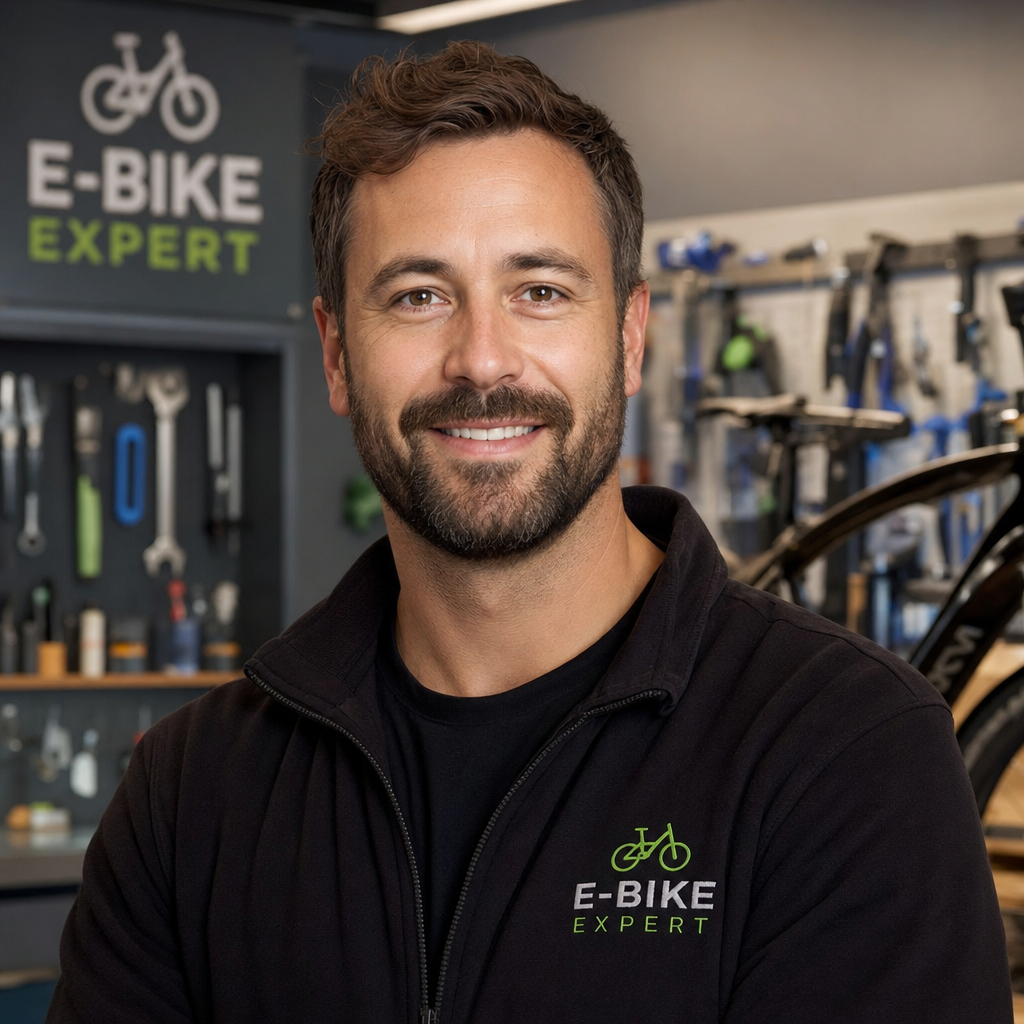
Ryan Williams has spent over 8 years testing, repairing, and writing about electric bikes. He has personally ridden and reviewed 150+ e-bike models from brands like Lectric, Aventon, Rad Power, Super73, and dozens more.
Before founding EBIKE Delight, Ryan worked as a bicycle mechanic for 5 years at independent bike shops across California, where he specialized in e-bike conversions and electrical system diagnostics. He holds a Certificate in Electric Vehicle Technology from the Light Electric Vehicle Association (LEVA).
Ryan’s work has been cited by Electric Bike Report, Electrek, and BikeRumor. When he is not testing the latest e-bike on California backroads, he is in his workshop tearing down batteries and controllers to understand what makes them tick — and what makes them fail.
Areas of Expertise
E-bike performance testing and real-world range verificationBattery diagnostics, charging best practices, and safetyBrand comparisons: Lectric, Aventon, Rad Power, Super73, and moreError code troubleshooting across major e-bike systemsE-bike laws, registration, and compliance by state
Ryan believes every rider deserves honest, hands-on information — not marketing hype.