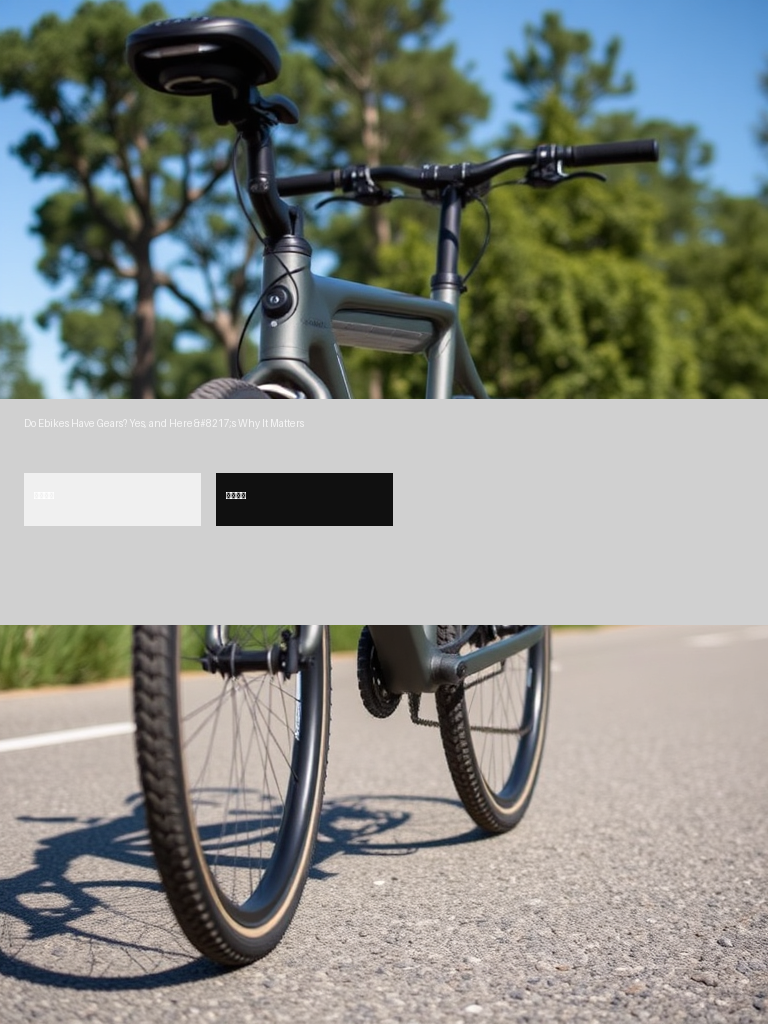
Are Tugo Bikes Electric or Pedal-Assist?
Tugo Bikes: Are Tugo Bikes Electric or Pedal-Assist? Quick Answer
- Tugo bikes are predominantly pedal-assist electric bicycles.
- The electric motor provides power only when you are pedaling; there is no throttle for independent motor operation.
- This system augments your pedaling effort, offering a traditional cycling experience with added support.
Who This Is For
- Riders who want an electric bike that still requires physical input for propulsion.
- Individuals seeking the benefits of electric assistance without a fully motorized ride.
What to Check First
- Specific Tugo Bike Model: Features and drive systems can differ significantly between various Tugo models.
- Official Product Specifications: Consult the Tugo Bikes website or the bike’s manual for precise details on the drive system.
- Absence of a Throttle: Visually inspect the handlebars. If there’s no twist grip or thumb lever designed for independent motor control, it’s almost certainly pedal-assist.
- Motor Activation: Confirm that the motor engages only when you pedal.
Understanding Tugo Bikes: Are Tugo Bikes Electric or Pedal-Assist?
If you are comparing options here, Factors Contributing to the High Cost of Electric Bikes is a relevant choice worth checking Check price factors contributing to the high cost of electric bikes
The distinction between a fully electric bike and a pedal-assist bike is crucial for managing expectations. Tugo Bikes primarily operates within the pedal-assist framework. This means the electric motor is engineered to supplement your pedaling force, making efforts like climbing hills or riding against the wind more manageable. It does not function as a standalone motor that propels the bike without rider input, unlike a motorcycle or a throttle-equipped e-bike.
How Tugo Bikes Implement Pedal-Assist
Tugo Bikes employ a pedal-assist system, a design choice that integrates electric power with the rider’s physical exertion. This system typically relies on sensors to detect pedaling motion and provide proportional motor support.
- Torque Sensors: These sensors measure the force applied to the pedals. The harder you push, the more assistance the motor delivers, creating a natural and responsive feel.
- Cadence Sensors: These sensors detect the act of pedaling and the speed of rotation. They provide a consistent level of assistance once pedaling begins, regardless of the force applied.
The motor, usually integrated into the wheel hub or crankset, engages when the sensors are triggered. This engagement translates into forward momentum, reducing the physical strain on the rider. Control over the level of assistance is typically managed via a display unit on the handlebars, allowing riders to select their desired support level.
BLOCKQUOTE_0
Common Mistakes When Assessing Tugo Bikes’ Electric or Pedal-Assist Nature
Users often misinterpret the capabilities of electric bikes, leading to incorrect assumptions about models like Tugo’s. Understanding these common pitfalls is key to accurate assessment.
- Mistake: Assuming any “electric bike” has a throttle.
- Why it matters: This leads to expectations of a moped-like experience, when in reality, most electric bikes are pedal-assist and require pedaling to engage the motor.
- Fix: Look for explicit mentions of “pedal-assist,” “PAS,” or “pedelec” in product descriptions. The absence of “throttle” is a strong indicator.
- Mistake: Equating “electric assist” with “no physical effort required.”
- Why it matters: Pedal-assist bikes are designed to augment, not replace, rider effort. Expecting a fully motorized ride can lead to disappointment.
- Fix: Understand that you will always need to pedal for the motor to provide assistance. The level of effort required is reduced, but not eliminated.
- Mistake: Overlooking the operational difference between torque and cadence sensors.
- Why it matters: The type of sensor dictates how the assistance feels. Torque sensing offers a more intuitive, proportional response to pedaling force.
- Fix: Consult the bike’s specifications to identify the sensor type. This detail significantly impacts the riding experience.
Step-by-Step Plan: Verifying Your Tugo Bike’s Assistance Type
To confirm whether your Tugo bike is electric or pedal-assist, follow this methodical approach.
1. Identify Your Tugo Bike Model: Locate the specific model name or number, typically found on the frame, in the owner’s manual, or on the original packaging.
- What to look for: A clear, unique identifier for your bike.
- Mistake: Assuming all Tugo bikes share the same drive system; variations are common.
2. Access Official Tugo Bikes Documentation: Visit the manufacturer’s official website and navigate to the support or product section for your model.
- What to look for: Detailed specifications, feature lists, or product descriptions.
- Mistake: Relying on third-party retail sites, which may present incomplete or inaccurate information.
3. Scrutinize the Drive System Description: Carefully read the section detailing the motor and how it is activated.
- What to look for: Terms like “pedal-assist,” “PAS,” “pedelec,” or descriptions of torque/cadence sensors that engage with pedaling. Absence of “throttle” is key.
- Mistake: Skimming technical details; understanding how the motor is engaged is crucial.
4. Perform a Visual Throttle Check: Examine the handlebars for any throttle control mechanism.
- What to look for: A twist grip or a thumb lever designed for independent motor control.
- Mistake: Confusing brake levers or gear shifters with throttle controls; they have distinct functions.
5. Consult the Owner’s Manual: Refer to the section on the electric system or power unit in your bike’s manual.
- What to look for: Explicit instructions on motor operation and activation.
- Mistake: Neglecting the manual; it’s the definitive source for your specific model’s functionality.
6. Research User Reviews and Forums: Search for independent reviews or discussions related to your Tugo bike model.
- What to look for: Rider experiences describing the motor’s engagement and responsiveness.
- Mistake: Treating anecdotal evidence as fact; always cross-reference with official specifications.
Expert Tips for Understanding Tugo Bikes: Electric or Pedal-Assist
To gain practical insights into your Tugo bike’s electric or pedal-assist system, consider these expert recommendations.
- Tip 1: Master Assist Level Adjustments.
- Actionable Step: Experiment with each assist level (e.g., Eco, Standard, Boost) available on your bike’s display. Observe how each level affects your pedaling effort and speed on different inclines.
- Common Mistake to Avoid: Consistently using the highest assist level. This can disproportionately drain the battery and may not always offer the most efficient or enjoyable ride. Learn to adapt the assist level to the terrain and your desired workout intensity.
- Tip 2: Detect Inconsistent Motor Engagement.
- Actionable Step: Pay close attention to the motor’s response time and consistency. A slight delay is normal, but if the assistance cuts out unexpectedly or engages erratically, it warrants investigation.
- Common Mistake to Avoid: Ignoring subtle performance degradations. A potential failure mode is a malfunctioning pedal-assist sensor (torque or cadence). Dirt, misalignment, or damage to these sensors can cause intermittent or complete loss of motor support.
- Tip 3: Monitor Battery Range Performance.
- Actionable Step: Keep a log of your average riding distance on different assist levels and terrains. Note any significant deviation from expected range.
- Common Mistake to Avoid: Attributing a sudden decrease in battery life solely to normal aging. While battery capacity naturally declines over time, a sharp drop could indicate an electrical fault or an inefficient motor drawing excessive power, especially if you’re not frequently using high assist settings.
Tugo Bike Electric or Pedal-Assist System Specifications
| Feature | Tugo Model A (Example) | Tugo Model B (Example) | Tugo Model C (Example) |
|---|---|---|---|
| Drive Type | Pedal-Assist | Pedal-Assist | Pedal-Assist |
| Motor Type | Hub Motor | Mid-Drive Motor | Hub Motor |
| Sensor Type | Cadence | Torque | Cadence |
| Max Assist Speed | 20 mph | 28 mph | 20 mph |
| Throttle Present? | No | No | No |
FAQ
- Q1: Can I ride a Tugo bike without using the electric assist?
- A1: Yes, Tugo bikes can be ridden like standard bicycles with the electric system turned off. However, they will feel heavier due to the motor and battery components.
- Q2: What is the typical range of a Tugo electric bike on a single charge?
- A2: The range varies widely depending on factors such as battery capacity, rider weight, terrain, and the assist level used. Official specifications often estimate ranges between 20 to 60 miles.
- Q3: Do Tugo pedal-assist bikes require a license or registration in the US?
- A3: Generally, pedal-assist e-bikes that meet specific power (under 750W) and speed (under 20 mph for Class 1/2, under 28 mph for Class 3) limitations do not require a license, registration, or insurance in most US states. Always verify local regulations.
- Q4: What happens if the battery on my Tugo bike runs out of power during a ride?
- A4: If the battery depletes, the bike will function as a regular bicycle. You can continue pedaling to your destination, and the battery can be recharged later.

Ryan Williams has spent over 8 years testing, repairing, and writing about electric bikes. He has personally ridden and reviewed 150+ e-bike models from brands like Lectric, Aventon, Rad Power, Super73, and dozens more.
Before founding EBIKE Delight, Ryan worked as a bicycle mechanic for 5 years at independent bike shops across California, where he specialized in e-bike conversions and electrical system diagnostics. He holds a Certificate in Electric Vehicle Technology from the Light Electric Vehicle Association (LEVA).
Ryan’s work has been cited by Electric Bike Report, Electrek, and BikeRumor. When he is not testing the latest e-bike on California backroads, he is in his workshop tearing down batteries and controllers to understand what makes them tick — and what makes them fail.
Areas of Expertise
E-bike performance testing and real-world range verificationBattery diagnostics, charging best practices, and safetyBrand comparisons: Lectric, Aventon, Rad Power, Super73, and moreError code troubleshooting across major e-bike systemsE-bike laws, registration, and compliance by state
Ryan believes every rider deserves honest, hands-on information — not marketing hype.