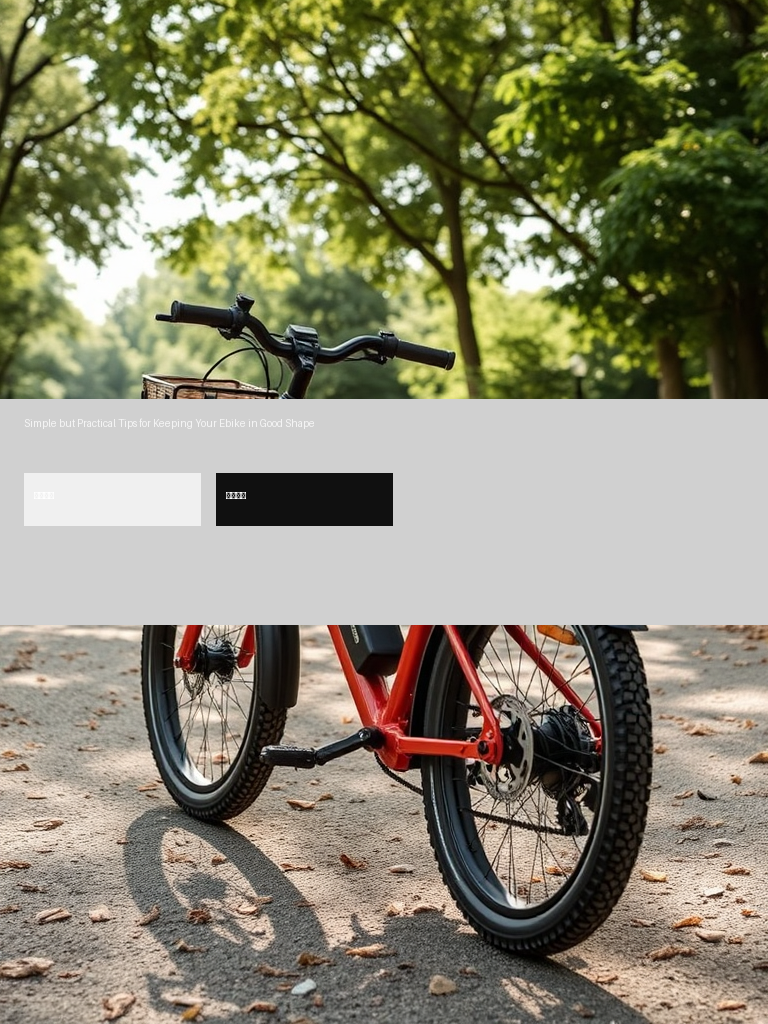
Benefits of Electric Bikes for Knee Pain Relief
benefits of electric bikes for knee pain relief: Quick Answer
- Electric bikes can offer a low-impact way to exercise, potentially easing knee pain by reducing strain during cycling.
- The pedal-assist feature allows riders to control the level of exertion, making it adaptable for individuals with varying degrees of knee discomfort.
- While beneficial for some, electric bikes are not a universal solution and require careful consideration of individual health conditions and proper bike setup.
Who This Is For
- Individuals experiencing knee pain who are seeking a gentler form of cardiovascular exercise.
- People who find traditional cycling too strenuous due to joint discomfort but still want to maintain an active lifestyle.
What to Check First
- Consult Your Doctor: Before starting any new exercise regimen, especially with pre-existing knee pain, get medical clearance. They can advise on appropriate activity levels and any specific contraindications.
- Bike Type and Fit: Ensure the electric bike is the correct size and type for your body. Improper fit can exacerbate knee issues.
- Pedal-Assist Level: Understand how the pedal-assist system works and start with the lowest setting to gauge your body’s response.
- Riding Terrain: Initially, stick to flat, smooth surfaces. Avoid steep hills or rough trails that could put undue stress on your knees.
Step-by-Step Plan for Utilizing Electric Bikes for Knee Pain Relief
If you are comparing options here, MotoTec 36v Pro Electric Dirt Bike 1200w Lithium Orange is a relevant choice worth checking Check price are electric dirt bikes lighter than gas models
1. Assess Your Knee Condition and Get Medical Clearance
- Action: Schedule an appointment with your physician or a physical therapist.
- What to look for: Discuss your specific knee pain symptoms, limitations, and inquire about cycling as a therapeutic option. Obtain their explicit recommendation for or against using an e-bike.
- Mistake: Assuming that because it’s low-impact, it’s automatically safe without professional guidance.
2. Select the Right Electric Bike and Ensure Proper Fit
- Action: Research e-bike models, focusing on comfort and adjustability, and visit a reputable bike shop for a professional fitting.
- What to look for: A step-through frame can ease mounting/dismounting. Adjustable seat height and handlebar position are crucial. The crank length should allow for a slight bend in your knee at the bottom of the pedal stroke.
- Mistake: Purchasing a bike online without trying it or getting a professional fit, leading to poor biomechanics and potential knee aggravation.
3. Understand and Utilize Pedal Assist Strategically
- Action: Familiarize yourself with the e-bike’s pedal-assist levels and start at the lowest setting.
- What to look for: The pedal-assist should supplement your pedaling effort, not replace it entirely. You should still feel a slight resistance and engage your leg muscles, but with significantly reduced load on the knee joint.
- Mistake: Relying solely on the highest pedal-assist levels, which can lead to a less effective workout and potentially bypass the intended low-impact benefits.
4. Begin with Short, Flat Rides
- Action: Plan initial rides on flat, paved surfaces for 15-20 minutes.
- What to look for: Pay close attention to how your knees feel during and after the ride. Note any increase in pain, stiffness, or discomfort.
- Mistake: Attempting long or challenging rides immediately, which can overexert already sensitive knees and lead to setbacks.
5. Gradually Increase Duration and Intensity
- Action: As your knees adapt and pain remains manageable, slowly extend ride times and consider introducing gentle inclines.
- What to look for: Monitor your knee response. If pain increases, reduce the duration or intensity. The goal is consistent, pain-free movement.
- Mistake: Rapidly increasing mileage or tackling steep hills without allowing your knees sufficient time to adapt, risking injury.
6. Incorporate Strength and Flexibility Exercises
- Action: Complement your e-biking with targeted exercises for knee and surrounding muscle support.
- What to look for: Focus on quadriceps, hamstrings, and glute strengthening, along with gentle stretching. Exercises like wall sits, hamstring curls, and calf raises can be beneficial.
- Mistake: Relying solely on the e-bike and neglecting crucial muscle strengthening and flexibility work that supports knee joint health.
Benefits of Electric Bikes for Knee Pain Relief: A Deeper Dive
Electric bikes, often perceived as recreational devices, can serve a more functional purpose for individuals managing chronic knee pain. The core advantage lies in the pedal-assist system, which augments the rider’s pedaling effort. This means that while you are still engaging your leg muscles, the motor provides a significant portion of the power, thereby reducing the force transmitted through the knee joint.
Consider the biomechanics: In traditional cycling, the rider bears the full weight of their effort on each pedal stroke. For someone with osteoarthritis or other knee conditions, this can translate to sharp pain and inflammation. An e-bike allows for a smoother, more controlled cadence with less peak force per revolution. This controlled exertion can, over time, help strengthen the muscles supporting the knee without overloading the joint itself, potentially leading to improved mobility and reduced pain.
BLOCKQUOTE_0
How E-Bikes Help Alleviate Knee Discomfort
The primary mechanism through which electric bikes offer benefits for knee pain is by facilitating low-impact aerobic exercise. Unlike high-impact activities such as running or jumping, cycling on an e-bike involves a continuous, circular motion that is inherently gentler on the joints.
The pedal-assist function is critical here. It allows individuals to maintain a consistent cadence and speed, even on inclines, without experiencing the jarring impact or excessive strain that might occur with a conventional bicycle. This controlled environment is crucial for rehabilitation and for individuals who have been advised to avoid high-impact activities.
Furthermore, regular, low-impact exercise can improve circulation to the joints, deliver nutrients, and help maintain the flexibility of the surrounding tissues. For those with knee pain, this can translate to reduced stiffness and improved overall joint function.
Common Myths About E-Bikes and Knee Pain
Myth 1: E-bikes are just for people who can’t pedal.
- Why it matters: This perception overlooks the therapeutic potential for individuals with pain. It implies a lack of physical capability rather than a strategic use of technology.
- Fix: Recognize that e-bikes are a tool that can be used to modulate exercise intensity, making physical activity accessible and beneficial for those with limitations like knee pain.
Myth 2: Riding an e-bike will make your knee pain worse.
- Why it matters: This fear can prevent individuals from exploring a potentially beneficial activity. Without proper guidance, it’s a valid concern, but the technology itself isn’t inherently detrimental.
- Fix: Emphasize that proper bike fit, starting with low assist levels, and gradual progression are key. When used correctly, e-bikes can reduce strain, not increase it.
Myth 3: E-bikes don’t provide a real workout.
- Why it matters: This devalues the cardiovascular and muscular benefits. While the motor assists, the rider still engages their legs and core.
- Fix: Understand that the workout intensity is adjustable. By choosing lower assist levels or riding longer distances, users can achieve a significant cardiovascular and muscular workout tailored to their needs, including those managing knee pain.
Expert Tips for Maximizing Benefits and Minimizing Risk
Here are practical recommendations from cycling and rehabilitation professionals:
- Tip 1: Prioritize Cadence Over Speed.
- Action: Aim for a smooth, consistent pedaling cadence between 70-85 revolutions per minute (RPM). Use the pedal-assist to maintain this cadence even on slight inclines.
- Common Mistake to Avoid: Mashing the pedals at a low cadence (below 60 RPM), especially on hills, which puts excessive torque and strain on the knee joint.
- Tip 2: Dial In Your Saddle Height.
- Action: Ensure your saddle is set so that at the bottom of the pedal stroke, there is a slight bend (25-35 degrees) in your knee.
- Common Mistake to Avoid: Riding with a saddle that is too low, causing excessive bending and pressure at the knee, or too high, leading to hip rocking and hamstring strain.
- Tip 3: Integrate with Physical Therapy.
- Action: Discuss your e-bike use with your physical therapist and incorporate it as part of your overall rehabilitation plan. They may suggest specific exercises to perform before or after rides.
- Common Mistake to Avoid: Using the e-bike in isolation without addressing underlying muscle imbalances or weaknesses that contribute to knee pain.
FAQ
- Q: Can an electric bike help with knee arthritis?
- A: Yes, for many individuals with knee arthritis, the low-impact nature of e-biking, particularly with pedal assist, can help maintain joint mobility and strengthen supporting muscles without exacerbating pain. Always consult your doctor first.
- Q: What is the ideal pedal-assist level for knee pain?
- A: Start with the lowest pedal-assist level and gradually increase it only if needed and comfortable. The goal is to supplement your effort, not replace it, ensuring you still engage your muscles with reduced joint load.
- Q: How long should I ride an e-bike if I have knee pain?
- A: Begin with short rides of 15-20 minutes on flat terrain. Listen to your body and gradually increase duration by 5-10 minutes per week as your knees tolerate it, ensuring no significant pain increase.
- Q: Are there any specific e-bike features that are better for knee pain?
- A: Bikes with a “step-through” frame can make it easier and less painful to get on and off. Additionally, models with adjustable handlebars and seat posts allow for a more customized and ergonomic fit, which is crucial for knee comfort.
| Feature | Benefit for Knee Pain | Consideration |
|---|---|---|
| Pedal-Assist | Reduces effort required, lessening joint load. | Start low and adjust to maintain comfortable cadence. |
| Frame Type | Step-through frames ease mounting/dismounting. | Ensure adequate standover height for safety. |
| Suspension | Front suspension can absorb minor shocks. | Full suspension may add weight; consider needs. |
| Tire Width | Wider tires can offer more comfort and stability. | Ensure tires are suitable for intended riding surfaces. |
| Motor Type | Mid-drive motors generally offer smoother, more natural assist. | Hub-drive motors can be simpler but may feel less integrated. |
| Battery Range | Adequate range reduces range anxiety and allows for longer rides. | Consider your typical riding distance and charging availability. |
| Bike Weight | Lighter bikes are easier to maneuver. | Heavier bikes may offer more stability but can be harder to handle. |

Ryan Williams has spent over 8 years testing, repairing, and writing about electric bikes. He has personally ridden and reviewed 150+ e-bike models from brands like Lectric, Aventon, Rad Power, Super73, and dozens more.
Before founding EBIKE Delight, Ryan worked as a bicycle mechanic for 5 years at independent bike shops across California, where he specialized in e-bike conversions and electrical system diagnostics. He holds a Certificate in Electric Vehicle Technology from the Light Electric Vehicle Association (LEVA).
Ryan’s work has been cited by Electric Bike Report, Electrek, and BikeRumor. When he is not testing the latest e-bike on California backroads, he is in his workshop tearing down batteries and controllers to understand what makes them tick — and what makes them fail.
Areas of Expertise
E-bike performance testing and real-world range verificationBattery diagnostics, charging best practices, and safetyBrand comparisons: Lectric, Aventon, Rad Power, Super73, and moreError code troubleshooting across major e-bike systemsE-bike laws, registration, and compliance by state
Ryan believes every rider deserves honest, hands-on information — not marketing hype.