Top 10 Tips for Electric Bike Commuting in 2025
E-bike commuting is booming like never before in 2025, and it’s easy to see why. With electric bikes becoming more accessible and practical, more people are ditching their cars for a cleaner, healthier way to get around. Did you know that in 2013, only 185,000 e-bikes were sold in the U.S., but by 2018, that number had skyrocketed past 400,000? In cities like Madison, Wisconsin, even bikesharing programs with electric bikes have seen ridership multiply by up to four times!
Switching to commuting by bike offers huge benefits. You’ll save money on gas, reduce your carbon footprint, and skip the stress of sitting in traffic. Plus, it’s a fun and convenient way to stay active while commuting to work. Ready to make the leap? These electric bike commuting tips will help you get started and enjoy the ride every day.
Key Takeaways
- Pick an electric bike that fits your trip length and roads. The right bike makes riding easier and more comfortable.
- Focus on the battery size and motor strength. A bigger battery and stronger motor let you ride farther and better.
- Always try out an electric bike before buying it. This helps you see if it feels good and works well for you.
- Use bike-friendly apps to plan your route. These apps show safe roads and places to charge your bike.
- Wear a helmet and bright clothing to stay safe. These protect you and help others see you better.
- Keep your tires filled with enough air. This helps your battery last longer and prevents flat tires.
- Bring important items like a repair kit and extra battery. Being ready for problems makes your ride smoother.
- Set goals and join a biking group. These keep you excited and make riding more fun.
Choose the Right Electric Bike
Choosing the right electric bike is the first step to making your commute smooth, efficient, and enjoyable. With so many options available, it’s important to pick one that fits your needs and lifestyle. Let’s break it down.
Match Your Bike to Your Commute Distance and Terrain
Not all e-bikes are created equal, and your commute plays a big role in deciding which one is right for you. If your route includes steep hills or rough terrain, look for a bike with a powerful motor and sturdy tires. For flat, urban commutes, a lightweight model with a smaller motor might be all you need.
Here’s a quick look at how matching your bike to your commute can improve performance:
| Commute Distance | Climbing Elevation | Average Speed (Old Bike) | Average Speed (E-Bike) | Speed Increase |
|---|---|---|---|---|
| 10 miles | 650′ (in) | 16-17 mph | 18-19 mph | 2 mph |
| 10 miles | 450′ (out) | 18-19 mph | 23 mph | 5 mph |
| 10 miles | Varies | 18 mph | 27 km/h (approx. 16.8 mph) | 8 mph |
Matching your bike to your commute ensures you’ll travel efficiently and comfortably, whether you’re navigating city streets or climbing hills.
Prioritize Battery Capacity and Motor Power
Battery capacity and motor power are the heart of any electric bike. A larger battery means you can ride longer without worrying about running out of juice. For longer commutes or if you weigh over 185 lbs, aim for a battery with at least 600wh capacity. This ensures you won’t get stranded halfway through your ride.
Motor power is equally important. A powerful motor helps you tackle tough conditions like rain or steep inclines. However, too much torque can make the bike harder to control, especially in slippery conditions. Adjusting your speed and pedal assist levels can help you stay safe and maintain reliability.
Test Ride Before You Buy
You wouldn’t buy a car without test-driving it first, right? The same goes for an electric bike. A test ride lets you feel how the bike handles, check its comfort level, and see if it meets your needs. Pay attention to the bike’s weight, how smoothly the motor kicks in, and whether the seat and handlebars feel right for you.
Pro Tip: Test the bike on a route similar to your daily commute. This will give you a better idea of how it performs in real-world conditions.
By taking the time to choose the best commuting e-bike for your needs, you’ll set yourself up for a hassle-free electric bike commute. Whether you’re commuting by ebike to work or running errands, the right bike makes all the difference.
Plan and Test Your Route
Planning your route is key to a smooth commute. A good route saves time, keeps you safe, and makes riding fun. Here’s how to plan and test your path before starting.
Use Apps to Find Bike-Friendly Routes
Apps can help you find safe paths for biking. They show bike-friendly roads, avoid busy traffic, and even estimate battery use. Popular apps like Wahoo ELEMNT and RideWithGPS are great tools. These apps use maps to highlight roads with fewer cars. They also suggest routes that other bikers often use for safety.
Pro Tip: Long commute? Use apps to find charging spots nearby. This helps if your battery runs low during the ride.
Using these apps makes your route safer and better suited for your electric bike.
Look for Safe Bike Lanes
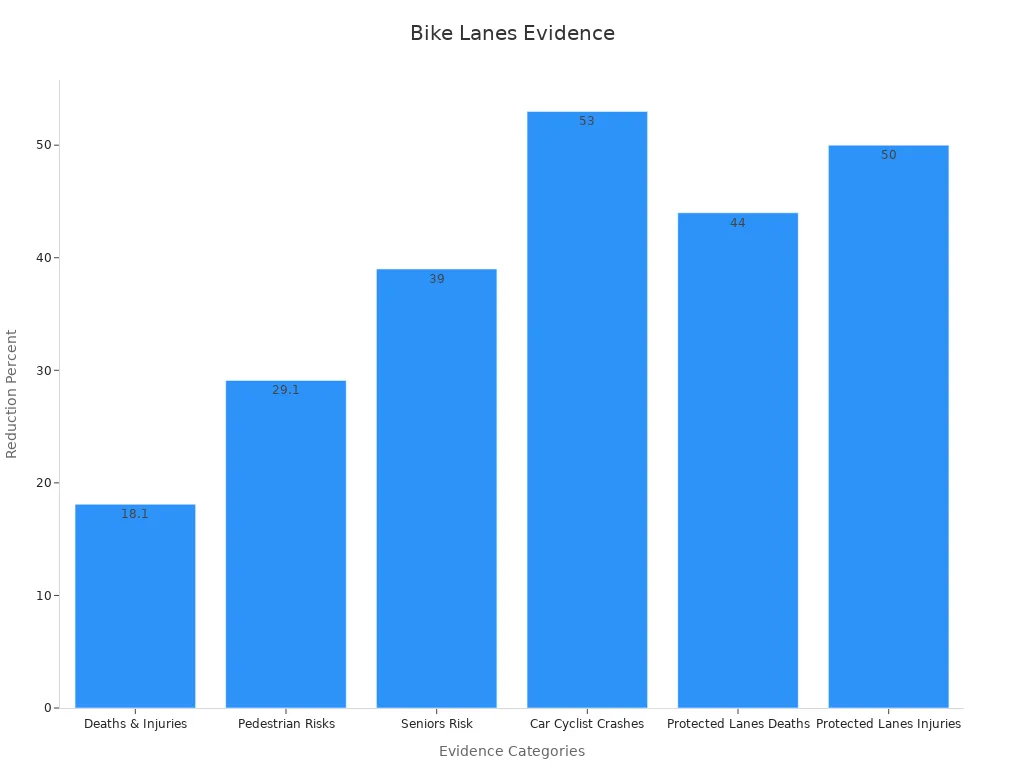
Bike lanes make commuting safer and easier. Protected lanes lower accident risks by a lot. Studies show cities with protected lanes have fewer injuries and deaths. For example, New York City saw an 18% drop in injuries after adding bike lanes. Car-bike crashes also went down by over 50%.
Choose routes with marked or protected bike lanes. These lanes make your ride safer and more enjoyable.
Test Your Route on a Weekend
Try your route on a weekend before using it daily. This helps you learn the roads, traffic, and tricky spots. Check intersections, road conditions, and areas to slow down. Testing also shows how long your commute will take, so you can plan better.
Quick Tip: Practice using your app during the test ride. This builds confidence for your real commute.
Testing your route helps you avoid surprises and start commuting with ease.
Essential Gear for E-Bike Commuting
Using the right gear makes your electric bike rides safer and easier. Here’s what you’ll need to get started.
Wear a Helmet and Reflective Gear
A helmet is key for safety. It protects your head and lowers risks. Helmets with LED lights help drivers see you better. Reflective items like vests or ankle bands make you visible in dim light.
| Evidence Type | Details |
|---|---|
| Safety Statistics | E-bike injuries doubled from 2017 to 2022, showing higher risks. |
| Expert Recommendation | Victoria Shnaider suggests helmets and reflective vests for safety. |
| Helmet Effectiveness | Helmets cut head injury risks by up to 88%. |
Quick Tip: Pick helmets with CPSC or ASTM certifications. These offer stronger protection.
Dress for the Weather
Weather changes fast, so wear clothes that match the conditions. Rain jackets keep you dry, while gloves and thermal layers warm you in winter. For hot days, breathable fabrics help you stay cool.
Layering works best. Start with a sweat-wicking shirt, add a windproof jacket, and wear waterproof pants if it’s raining. This keeps you comfy without overheating.
Pro Tip: Bright-colored clothes make you easier to spot. They improve safety on busy roads.
Pack a Repair Kit and Spare Battery
Flat tires or battery problems can happen anytime. A repair kit with patches, a pump, and tools can fix small issues. Carrying an extra battery ensures you won’t run out of power mid-ride.
Here’s why these items are helpful:
- Helmets with visibility features lower crash risks by 43%.
- Adaptive lighting systems reduce near-misses by 48%.
- Integrated security systems prevent theft by 83%.
Note: Keep your repair kit small and neat. It should fit in your bag or pannier.
With the right gear, you’ll feel ready for anything. Rain, cold, or flat tires won’t stop your commute.
Safety Tips for E-Bike Commuting
Staying safe on your electric bike means being careful and aware. These tips will help you ride safely and avoid problems.
Follow Traffic Rules and Signals
Traffic rules keep everyone safe, including bike riders. Treat your electric bike like a car. Stop at red lights, let pedestrians cross, and stay in your lane. Riding predictably helps drivers know what you’ll do next. This lowers the chance of accidents.
Studies show tools like pedestrian countdown signal devices (PCSDs) help e-bike riders follow signals better. These devices show when it’s safe to cross, reducing risky moves. Learning safety habits makes commuting safer for everyone.
Quick Tip: Wear a helmet and use lights to stay visible. These simple items can prevent injuries.
Stay Alert and Ride Defensively
Defensive riding keeps you safe on busy streets. Always watch your surroundings. Look for distracted drivers, sudden turns, or cars changing lanes. Reacting quickly helps you avoid crashes.
At intersections, make eye contact with drivers to ensure they see you. Use hand signals to show where you’re going. Stick to bike lanes when possible, and avoid large vehicles like buses—they have blind spots that can be dangerous.
Pro Tip: Defensive riding isn’t just about avoiding crashes. It’s about riding smart and staying safe.
Avoid Distractions While Riding
Distractions can make riding dangerous. Keep your eyes on the road and don’t use your phone or listen to loud music. Even a quick look at your screen can make you miss something important.
Focused riders spot hazards like potholes, pedestrians, or cars pulling out. Staying alert helps you react to surprises and avoid accidents.
Reminder: If you need to check your phone, stop in a safe place first. It’s better to pause than risk getting hurt.
By following these tips, your electric bike rides will be safer and more fun. Whether you’re heading to work or exploring new paths, staying alert and responsible is key.
Maximize Battery Range and Efficiency
Making your electric bike battery last longer is important. With a few easy tips, you can ride farther and keep your trips smooth.
Use Eco Mode for Longer Rides
Eco mode helps save battery power. Most e-bikes have different assist levels, and eco mode uses the least energy. It’s great for flat roads or steady speeds. Using eco mode lets you ride longer without draining the battery.
Think of eco mode as stretching your battery life. If you face hills or heavy traffic, switch to a higher assist briefly. Then, go back to eco mode when the road is easier. This habit helps your battery last longer.
Pro Tip: Pedal more while in eco mode. You’ll save battery and get some exercise too.
Keep Your Tires Inflated
Proper tire pressure makes your bike use less battery power. When tires are inflated correctly, the bike moves smoothly. This means the motor doesn’t work as hard, saving energy and extending battery life.
Why tire pressure matters:
- Right pressure boosts battery range by up to 15%.
- It lowers the chance of flat tires by 48%.
- It prevents uneven wear, keeping your bike in good shape.
Check tire pressure often with a gauge. Look at the side of your tires for the recommended pressure range. Follow these numbers for a smoother ride and fewer problems.
Quick Tip: Not sure about tire pressure? Ask a bike shop for help. They can guide you to the best level for your rides.
Charge Your Battery Often
Taking care of your battery helps it last longer. Most e-bikes use lithium-ion batteries, which can last about two years if treated well. Charging regularly keeps the battery strong and ready for your rides.
How to care for your battery:
- Charge it fully before each ride.
- Don’t let it drain completely.
- Store it in a cool, dry place when not riding.
A well-maintained battery can handle 500 to 1,000 charges. That’s plenty of commutes! Regular charging also keeps it efficient, so you get the most out of every trip.
Reminder: Don’t wait until the battery is almost dead to charge it. Frequent charging is better for its health.
By following these steps, your battery will last longer, and your electric bike will run better. Whether you’re heading to work or exploring, a good battery makes every ride easier.
Comfort and Convenience on the Ride
Adjust Seat and Handlebars for Ergonomics
Setting up your seat and handlebars correctly makes riding easier. It reduces body strain and gives you better bike control. Adjust your seat so your legs bend slightly when pedaling. This helps your knees work less and pedal smoothly.
Handlebar height matters too. Low handlebars can hurt your neck, shoulders, and back. High handlebars make steering harder. Find a height that lets you sit upright and steer comfortably.
| Key Finding | Description |
|---|---|
| Handlebar Height | Right height lowers pain in upper body. |
| Adjustable Components | Custom setups reduce tiredness and discomfort. |
| Ergonomic Design | Upright seating eases strain on neck and back. |
| Adjustable Features | Bikes with custom parts boost rider comfort by 42%. |
Spend a few minutes adjusting these before riding. Small changes make rides more comfortable and safer.
Use Panniers or Backpacks for Storage
Carrying things doesn’t have to be hard. Panniers and backpacks help keep your stuff organized. Panniers attach to your bike rack, making rides easier on your back. They’re great for groceries, work items, or clothes.
For example, the Arkel Bug Pannier Backpack is popular for its big storage space. One user said, “It’s perfect for organizing gear.” Urban panniers, like the Arkel Signature H Urban, hold two grocery bags easily.
If you like backpacks, pick one with padded straps and breathable backs. This keeps you comfy on long rides. No matter what you choose, make sure the weight is spread evenly for comfort.
Plan Rest Stops for Long Commutes
Long rides can be tiring, but rest stops help. Find parks, cafes, or quiet places to take breaks. Stretch, relax, and check your bike’s tires or battery during stops.
If your route has nice views, enjoy them while resting. Short breaks refresh you and make rides better. For rides over 10 miles, stop every 30–45 minutes. Resting makes long trips easier and more fun.
Quick Tip: Drink water and eat snacks at stops. Staying fueled keeps your energy up for the ride.
Paying attention to these details turns commuting into something enjoyable. It’s not just about getting somewhere—it’s about enjoying the journey.
Secure Your Electric Bike
Keeping your electric bike safe is just as important as enjoying the ride. With e-bikes being a valuable investment, taking steps to protect them from theft is a must. Here’s how you can secure your electric bike and ride with peace of mind.
Use a High-Quality Lock
A sturdy lock is your first line of defense against theft. Cheap locks might save you money upfront, but they’re easy for thieves to break. Invest in a high-quality U-lock or chain lock made of hardened steel. These locks are tough to cut through and can deter most thieves.
When locking your bike, secure both the frame and one of the wheels to a fixed object, like a bike rack. Avoid locking your bike to flimsy poles or objects that can be easily removed. Double-check that the lock is tight and leaves no room for tools to fit in.
Pro Tip: Consider using two different types of locks. Thieves are less likely to carry tools for both, making your bike even harder to steal.
Park in Well-Lit, Secure Areas
Where you park your bike matters. Always choose well-lit areas with lots of foot traffic. Thieves are less likely to target bikes in busy spots where they can be easily seen. If possible, park near security cameras or in designated bike parking zones.
Some cities now offer secure bike parking facilities with surveillance and restricted access. These are great options if you’re commuting to work or leaving your bike for long periods. Even if you’re just running errands, take a moment to find a safe spot to park.
Quick Tip: Avoid leaving your bike in the same spot every day. Changing your parking location can make it harder for thieves to target your bike.
Consider GPS Tracking for Theft Prevention
Adding a GPS tracker to your bike can be a game-changer. These devices help you locate your bike if it’s ever stolen. Many premium e-bikes now come with built-in GPS trackers hidden within the frame, making them hard for thieves to spot.
Here’s why GPS tracking is so effective:
- In Amsterdam, an e-bike with a concealed GPS tracker was recovered within hours of being stolen. This led to multiple recoveries and even arrests.
- Reliable anti-theft GPS technology significantly increases the chances of getting your bike back.
- Some trackers are designed to send alerts to your phone if your bike is moved without your permission.
If your e-bike doesn’t have a built-in tracker, you can purchase one separately. Look for models that are discreet and easy to install. Knowing you have a way to track your bike adds an extra layer of security and peace of mind.
By taking these steps, you can secure your electric bike and enjoy your rides without worry. A little effort now can save you a lot of trouble later.
Stay Visible and Safe
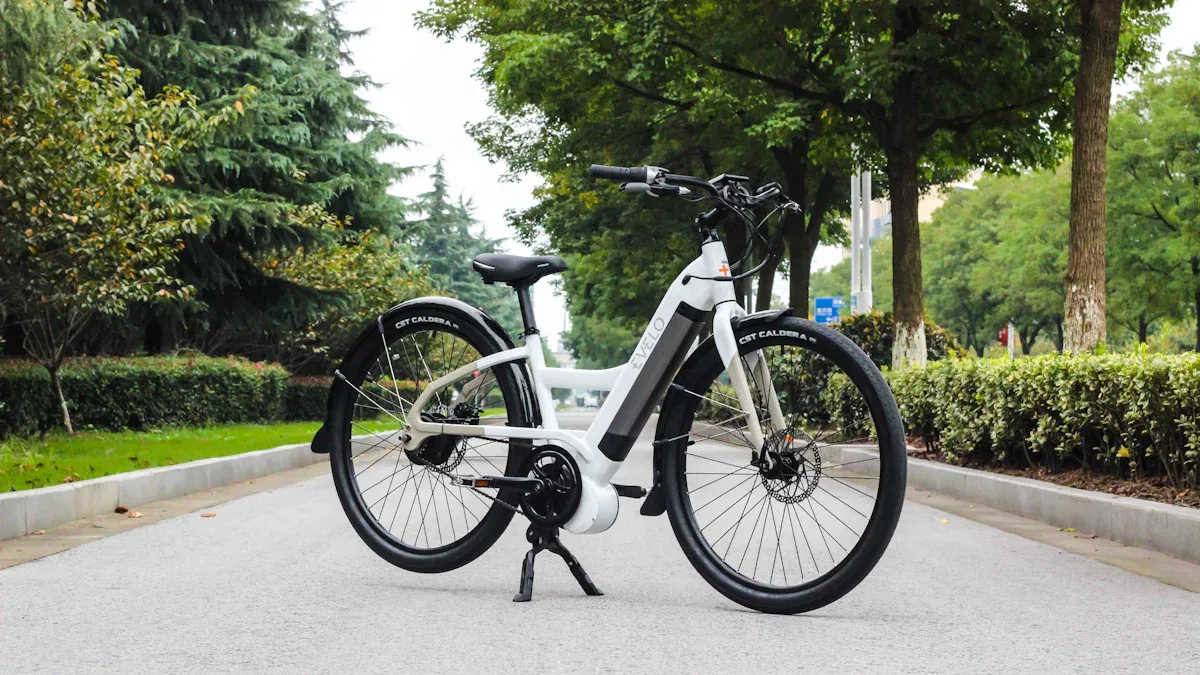
Being seen while riding your electric bike is very important. Whether it’s daytime or nighttime, staying noticeable helps avoid accidents. Make sure drivers, walkers, and other bikers can see you clearly. Here’s how to stay visible and ride safely.
Add Front and Back Lights
Lights on the front and back of your bike are a must. A bright white light in front helps you see the road. A red light at the back lets others know you’re there.
Accidents happen more often in low-light times. Adding lights lowers this risk a lot. Experts suggest keeping your lights on even during the day. This is especially helpful when traffic is heavy. Simple lights can make a big difference in staying safe.
Quick Tip: Pick lights with steady and flashing modes. Flashing lights catch attention better.
Wear Reflective Gear
Reflective gear makes you easier to spot. Items like vests, ankle bands, or gloves shine when car lights hit them.
Research shows reflective strips on ankles and knees work best. Drivers notice cyclists wearing these 90% of the time. That’s much better than just wearing bright clothes. Reflective gear doesn’t just help—it makes you stand out.
Pro Tip: Put reflective strips on moving parts like legs or wheels. The motion grabs attention quickly.
Use Hand Signals to Show Your Moves
Hand signals are like talking to others on the road. They tell drivers and walkers what you plan to do. For example, a straight left arm means a left turn. Bending your arm up signals a right turn.
Clear signals make your actions predictable. This helps everyone stay safe. Practice these signals so they feel natural while riding.
Reminder: Always look back before turning, even after signaling. It keeps you aware of what’s around you.
By using these tips, you’ll stay visible and communicate well on the road. Being seen isn’t just about safety—it helps you ride confidently and enjoy your journey.
Prepare for Weather and Emergencies
When you’re commuting on an electric bike, being ready for unexpected weather or emergencies can make all the difference. A little preparation goes a long way in keeping your rides smooth and stress-free.
Carry a Lightweight Rain Jacket
Weather can be unpredictable, especially during seasonal changes. One moment it’s sunny, and the next, you’re caught in a downpour. A lightweight, packable rain jacket is your best friend in these situations. It keeps you dry without adding bulk to your gear. Plus, it’s easy to stash in your pannier or backpack when the skies clear up.
Layering is another smart strategy. A rain jacket over a breathable base layer helps you stay comfortable, even if the temperature drops or the wind picks up. You’ll be ready for anything Mother Nature throws your way without feeling weighed down.
Quick Tip: Look for jackets with reflective strips. They’ll keep you visible to drivers in low-light or rainy conditions. 🌧️
Keep a First Aid Kit Handy
Accidents happen, even on the safest routes. Having a small first aid kit can be a lifesaver. It’s not just for major injuries—bandages, antiseptic wipes, and pain relievers can help with minor scrapes or discomfort during your ride.
Here’s why it’s essential:
- The UAB Department of Emergency Management recommends first aid kits for commuters, especially electric bike riders.
- A well-stocked kit ensures you’re prepared for unexpected situations, whether it’s a fall or a minor collision.
You don’t need a bulky kit. A compact one with the basics fits easily in your bag. Knowing you have it gives you peace of mind, so you can focus on enjoying the ride.
Pro Tip: Check your kit regularly to replace expired items or restock supplies you’ve used.
Learn Basic Bike Repair Skills
Flat tires, loose chains, or a misaligned brake can ruin your commute if you’re unprepared. Learning a few basic repair skills can save you time and frustration. Start with simple tasks like fixing a flat, adjusting your brakes, or tightening bolts. You don’t need to be a pro—just knowing the basics can make a big difference.
Carry a small repair kit with essentials like tire levers, a multi-tool, and a mini pump. These tools are lightweight and easy to use. If something goes wrong, you’ll have what you need to get back on the road quickly.
Quick Tip: Practice these repairs at home before you need them on the road. Confidence comes with practice!
By preparing for weather and emergencies, you’ll feel more confident and ready for anything your commute throws at you. A little planning ensures your rides stay enjoyable, no matter what happens.
Enjoy the Ride and Stay Motivated
Set Personal Goals for Your Commute
Having goals makes commuting more fun and meaningful. Decide what you want to achieve while riding your electric bike. Maybe you want to get faster, stay fit, or save money. Goals give you a reason to keep going and make progress.
Here’s why goals help:
- Riding an e-bike helps you stay active and healthy. Even short rides improve fitness, according to studies.
- A study by Peterman et al. (2016) found regular e-bike use boosts heart health in just four weeks.
- Small, easy goals make it simpler to stick with biking.
Start small. Try riding three days a week or add one mile each month. Celebrate when you reach a goal. It keeps you excited and makes commuting enjoyable.
Join an E-Bike Commuting Community
Riding alone can feel lonely, but joining a group changes that. E-bike communities connect you with others who love biking too. You’ll get tips, support, and maybe even new friends.
Search for local bike groups or online forums. Many cities have clubs that plan group rides or events. These groups are great for learning new tricks and sharing advice about e-bike commuting.
Being part of a group keeps you inspired. Seeing others succeed pushes you to keep trying. Plus, you’ll find new routes and ideas to improve your rides.
Quick Tip: Look on social media for e-bike groups nearby. Facebook and Meetup often have active biking communities.
Celebrate Your Progress and Achievements
Take time to enjoy your successes. Whether it’s finishing your first week of commuting or riding farther than before, every win matters. Celebrating keeps you motivated and makes biking more fun.
Reward yourself for reaching goals. Treat yourself to a snack or coffee after a long ride. Share your wins with friends or your biking group. Positive feedback makes you feel good and keeps you excited about riding.
Track your rides to see how much you’ve improved. Apps can show your progress over time, which feels really rewarding.
Pro Tip: Take pictures of your favorite routes or moments. They remind you of your progress and why you love biking.
By setting goals, joining a group, and celebrating wins, you’ll stay motivated and enjoy every ride. Commuting by electric bike isn’t just about getting somewhere—it’s about making the journey fun and meaningful.
Switching to an electric bike commute is more than just a way to get around—it’s a step toward a greener, healthier, and more cost-effective lifestyle. Consider these compelling facts:
- E-bikes emit only 2.5 to 5 grams of CO2 per mile, compared to 150 grams for electric cars.
- Replacing one car trip a week with an e-bike could remove a million cars from the road.
- Monthly savings could reach $91 million if just a quarter of vehicle trips in cities shifted to e-bikes.
Studies also back this up:
| Study | Findings |
|---|---|
| Google’s Bike Lending Program | Boosted biking and reduced car use. |
| Fyhri and Fearnley (2015) | Significant increases in bicycling noted. |
| MacArthur et al. (2018) | Confirmed commuting shifts in Europe. |
By embracing e-bike commuting, you’re not just saving money—you’re contributing to a cleaner planet. So, why not make it part of your daily routine? Every ride is a chance to improve your health, save time, and enjoy the journey.
FAQ
What’s the average range of an electric bike on a single charge?
Most e-bikes can travel 20–50 miles per charge. The range depends on factors like battery size, terrain, and how much pedal assist you use. Some high-end models can go up to 100 miles!
Tip: Use eco mode and pedal more to extend your range. 🚴♂️
Do I need a license to ride an electric bike?
In most places, you don’t need a license for e-bikes with a top speed of 20 mph or less. However, local laws vary. Check your city or state regulations to be sure.
Note: Some faster e-bikes may require registration or insurance.
How long does it take to charge an e-bike battery?
Charging usually takes 3–6 hours, depending on the battery size and charger type. Fast chargers can reduce this time.
Quick Tip: Charge your battery overnight or during work hours for convenience.
Can I ride an electric bike in the rain?
Yes, most e-bikes are water-resistant and can handle light rain. Avoid deep puddles or heavy downpours to protect the motor and battery.
Pro Tip: Use fenders and a rain jacket to stay dry and comfortable. 🌧️
How do I maintain my e-bike?
Keep your e-bike clean, check tire pressure regularly, and lubricate the chain. Inspect the brakes and battery connections often. A professional tune-up every 6–12 months is also a good idea.
Reminder: Store your bike indoors to protect it from extreme weather.
Are electric bikes expensive to maintain?
E-bikes are affordable to maintain compared to cars. Expect to spend around $100–$300 annually on tune-ups, parts, and repairs. Battery replacements, which happen every 2–5 years, are the biggest cost.
Can I ride an e-bike without using the motor?
Yes, you can pedal an e-bike like a regular bike. However, the extra weight from the motor and battery might make it harder to ride uphill or for long distances.
What’s the lifespan of an e-bike battery?
Most e-bike batteries last 2–5 years or 500–1,000 charge cycles. Proper care, like avoiding full discharges and storing in a cool place, can extend its life.
Quick Tip: Replace your battery when you notice a significant drop in range.