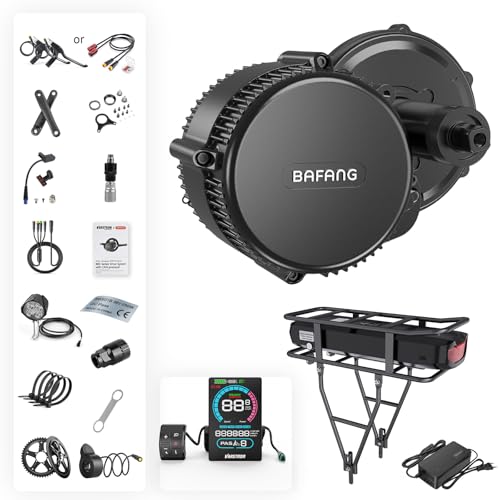
Building Your Own Electric Chopper Bike
Quick Answer
- Successfully building your own electric chopper bike requires meticulous attention to component synergy, especially the motor, controller, and battery, to ensure safe and reliable operation.
- Prioritize frame integrity, robust electrical connections, and effective thermal management for all high-power components.
- This project demands a blend of mechanical aptitude and electrical knowledge, with a strong emphasis on safety protocols.
Who This Is For
- DIY enthusiasts with experience in mechanical assembly and basic to intermediate electrical wiring.
- Individuals seeking a highly personalized electric vehicle that goes beyond standard factory options.
What to Check First
- Frame Suitability: Confirm the frame is robust (ideally steel) and designed to handle the added weight and torque of electric components. Look for ample space for battery and controller mounting.
- Component Compatibility: Verify that the voltage and amperage ratings of the motor, controller, and battery are perfectly matched. This is the single most critical factor for system longevity and safety.
- Local Regulations: Understand your area’s e-bike laws concerning motor wattage, speed limits, and classification to ensure your build is street-legal.
- Tooling and Workspace: Ensure you have the necessary tools for fabrication, wiring, and assembly, along with a safe, well-lit workspace.
Step-by-Step Plan for Building Your Own Electric Chopper Bike
1. Frame Selection and Preparation
- Action: Choose a sturdy frame, typically a steel cruiser or a dedicated chopper frame, and strip it down for inspection and modification.
- What to look for: No signs of structural compromise (cracks, rust), sufficient internal or external space for battery and controller housing, and strong dropouts capable of securing a motor.
- Mistake: Using a frame that is too light or structurally unsound for the significant added weight and forces of an electric conversion, leading to frame fatigue or failure.
2. Motor and Drivetrain Integration
- Action: Select a suitable motor (e.g., 750W-1500W hub or mid-drive) and securely mount it to the frame or fork.
- What to look for: Motor wattage and voltage that align with your performance goals and legal limits, compatibility with your wheel size and frame dropouts, and proper installation with anti-spin washers.
- Mistake: Inadequate motor mounting or failure to use anti-spin washers. This can cause the motor axle to shift under load, potentially damaging the motor, frame dropouts, and leading to loss of power.
3. Battery System Design and Installation
- Action: Select a high-quality lithium-ion battery pack with appropriate voltage and amp-hour (Ah) capacity for your motor and desired range. Plan its secure mounting and protection.
- What to look for: A reputable Battery Management System (BMS), a continuous discharge rate (C-rating) sufficient for the motor’s peak current draw, and a durable, weather-resistant enclosure.
- Mistake: Underestimating the required battery capacity or using a battery with an insufficient C-rating. This results in voltage sag, reduced performance, and premature battery degradation.
4. Controller and Wiring Essentials
- Action: Choose a controller that matches the motor’s voltage and peak amperage. Wire all components meticulously, adhering strictly to the controller’s manual and paying close attention to polarity.
- What to look for: A controller with compatible connectors, appropriate features (e.g., sine wave for smoother operation), and clearly labeled wires for motor, battery, throttle, and brake sensors.
- Mistake: Incorrectly connecting the battery polarity. Reversing positive and negative will instantly destroy the controller and potentially damage the battery. Always double-check connections before applying power.
5. Controls and User Interface
- Action: Install the throttle (twist or thumb), brake levers equipped with motor cut-off switches, and any display unit.
- What to look for: Ergonomic placement of controls for rider comfort and access, clear display readability in various lighting conditions, and reliable functionality of brake cut-off switches.
- Mistake: Omitting or improperly wiring motor cut-off switches. These are critical safety features that immediately disengage motor power when brakes are applied, significantly reducing stopping distances.
6. Initial Testing and Calibration
- Action: Conduct low-power tests in a controlled, safe environment, verifying smooth acceleration, responsive braking, and stable handling.
- What to look for: Absence of unusual noises, accurate readings on the display (speed, battery level), and consistent motor engagement and disengagement.
- Mistake: Rushing the testing phase or immediately pushing the bike to its limits. This can exacerbate minor issues into major failures before they are identified and corrected.
Building Your Own Electric Chopper Bike: A Contrarian’s Perspective
The romantic notion of building your own electric chopper bike often focuses on the visual impact and brute force of electric propulsion. However, the most frequently underestimated aspect is the long-term structural integrity and thermal management of the entire system. Chopper frames, with their extended front ends and altered geometry, can create unique dynamic stresses. Simply bolting powerful components onto any frame without considering weight distribution, vibration dampening, and heat dissipation is a recipe for premature component failure and potential safety hazards.
- Counterpoint: Many builders focus on achieving a specific aesthetic or maximum speed, neglecting the critical need for components to operate within their designed thermal envelopes. Overheating is a silent killer of batteries and controllers, leading to reduced performance and potential fire risks.
- Decision Boundary: If your goal is a reliable, long-lasting electric chopper, you must engineer for heat. This means considering airflow around the battery and controller, using heat-resistant wiring, and potentially incorporating heat sinks or fans for the motor and controller in high-demand scenarios. Ignoring this is a direct path to a short-lived, unreliable machine.
Common Myths About Building Your Own Electric Chopper Bike
- Myth: Any sturdy-looking bicycle frame can be electrified.
- Correction: This is a dangerous oversimplification. Electric conversion components add substantial weight and torque. Frames must be specifically designed or reinforced to handle these increased stresses. Thin-walled or older frames not built for such loads are prone to fatigue and catastrophic failure. Steel frames, particularly those with thicker tubing and robust dropouts, are generally preferred.
- Myth: More powerful components always mean a better ride.
- Correction: Component synergy is far more important than raw power. A 3000W motor paired with an undersized controller or battery will perform poorly, overheat, and likely fail. The controller must be rated for the motor’s peak amperage, and the battery must be able to supply that current without excessive voltage sag. Matching components within their specified operating ranges is crucial for both performance and longevity.
Expert Tips for a Robust Build
- Tip: Invest in high-quality, waterproof electrical connectors.
- Actionable Step: Use connectors like XT90 for high-current battery and motor connections and JST connectors for sensor wires. Ensure all connections are sealed with heat shrink tubing and strain relief.
- Common Mistake to Avoid: Using basic wire nuts or simply twisting wires together and covering with electrical tape. This leads to corrosion, intermittent connections, short circuits, and potential fire hazards, especially in outdoor conditions.
- Tip: Understand and manage battery thermal limits.
- Actionable Step: Ensure your battery has a functional BMS and plan its mounting location to allow for some airflow, avoiding direct exposure to engine heat or prolonged direct sunlight. Monitor battery temperature during initial rides.
- Common Mistake to Avoid: Encasing the battery in a completely sealed, unventilated box. This traps heat, significantly reduces battery lifespan, and in extreme cases, can lead to thermal runaway.
- Tip: Implement a robust braking system with motor cut-offs.
- Actionable Step: Install high-quality hydraulic disc brakes on both wheels. Crucially, ensure your brake levers are equipped with reliable motor cut-off switches that are correctly wired to the controller.
- Common Mistake to Avoid: Neglecting to install or properly wire motor cut-off switches. This is a critical safety feature that must immediately cut motor power when braking, preventing dangerous situations where the motor continues to propel the bike while you are trying to stop.
Component Compatibility Table
| Component | Key Specification to Match | Common Mismatch Impact |
|---|---|---|
| <strong>Motor</strong> | Voltage, Peak Amperage, Mounting Type | Overheating, reduced power, controller damage |
| <strong>Controller</strong> | Voltage, Continuous/Peak Amperage | Motor damage, overheating, inadequate power delivery |
| <strong>Battery</strong> | Voltage, Continuous Discharge (C-rating), Capacity (Ah) | Voltage sag, reduced range, overheating, BMS failure |
| <strong>Throttle</strong> | Signal Type (e.g., Hall effect) | No response, erratic acceleration |
| <strong>Charger</strong> | Battery Voltage, Amperage | Slow charging, battery damage, fire hazard |
FAQ
- Q: What is the most common failure point in DIY electric chopper builds?
- A: Electrical connections and component compatibility. Mismatched voltages, inadequate wiring, and poorly sealed connections are the primary causes of failure, performance issues, and safety hazards.
- Q: How can I ensure my custom build is legal in my state or city?
- A: Research local e-bike laws, which typically define limits on motor wattage, top assisted speed, and whether the bike requires pedaling (pedal-assist) or can be throttle-only. Ensure your build adheres to these regulations.
- Q: Is it safe to use a used battery for my electric chopper conversion?
- A: It’s generally not advisable. Used batteries may have degraded capacity, reduced lifespan, or compromised internal cells, posing a significant risk of failure, reduced performance, and potential safety issues like fire.
- Q: What’s the biggest counter-intuitive challenge when building your own electric chopper bike?
- A: Managing heat. High-power electric components generate significant heat, and many chopper frames offer limited space for airflow or heat dissipation. Overheating is a primary cause of component failure and performance degradation.

Ryan Williams has spent over 8 years testing, repairing, and writing about electric bikes. He has personally ridden and reviewed 150+ e-bike models from brands like Lectric, Aventon, Rad Power, Super73, and dozens more.
Before founding EBIKE Delight, Ryan worked as a bicycle mechanic for 5 years at independent bike shops across California, where he specialized in e-bike conversions and electrical system diagnostics. He holds a Certificate in Electric Vehicle Technology from the Light Electric Vehicle Association (LEVA).
Ryan’s work has been cited by Electric Bike Report, Electrek, and BikeRumor. When he is not testing the latest e-bike on California backroads, he is in his workshop tearing down batteries and controllers to understand what makes them tick — and what makes them fail.
Areas of Expertise
E-bike performance testing and real-world range verificationBattery diagnostics, charging best practices, and safetyBrand comparisons: Lectric, Aventon, Rad Power, Super73, and moreError code troubleshooting across major e-bike systemsE-bike laws, registration, and compliance by state
Ryan believes every rider deserves honest, hands-on information — not marketing hype.