Can My Norco Santiago Bike Be Converted to Electric?
can my norco santiago bike be converted to electric: Quick Answer
- Converting a Norco Santiago to an electric bike is technically feasible but requires careful assessment due to potential frame and component limitations.
- The cost and complexity of a reliable conversion can approach that of a new, purpose-built e-bike, making it a decision that requires thorough cost-benefit analysis.
- Prioritizing frame integrity, braking capacity, and drivetrain strength is critical for a safe and functional conversion.
Who This Is For
- DIY enthusiasts with a solid understanding of bicycle mechanics and basic electrical systems.
- Norco Santiago owners looking to extend their bike’s utility, provided they acknowledge and mitigate the inherent risks of converting a non-e-bike-specific frame.
What to Check First
- Frame Material and Condition: Inspect your Norco Santiago’s frame for any signs of damage, fatigue, or stress. Aluminum frames are generally less forgiving of conversion stresses than steel.
- Dropout Spacing and Type: Measure the width of your rear dropouts (e.g., 135mm is common) and verify compatibility with hub motor axle standards. Check front fork dropouts if considering a front hub motor.
- Braking System Effectiveness: Evaluate if your current brakes (rim or disc) can adequately stop the added weight and speed of an e-bike. Upgrades are almost always necessary.
- Bottom Bracket Standard: If considering a mid-drive motor, identify your bike’s bottom bracket shell width (e.g., 68mm, 73mm) and type (threaded, press-fit) to ensure motor compatibility.
Step-by-Step Plan: Evaluating Your Norco Santiago Conversion
Step 1: Frame Integrity Assessment
Action: Conduct a meticulous visual inspection of your Norco Santiago’s frame, paying close attention to welds, tubing, and mounting points.
What to look for: Absence of cracks, dents, excessive deformation, or signs of fatigue, particularly around the head tube, bottom bracket, and dropouts. For aluminum frames, look for hairline fractures near welds.
Mistake: Overlooking pre-existing frame weaknesses that will be severely amplified by motor torque, leading to potential structural failure.
Step 2: Motor Mountability Verification
Action: Determine your preferred motor type (hub or mid-drive) and confirm its physical fitment on your Norco Santiago.
What to look for:
- Hub Motors: Ensure dropout width and axle type match the motor. Verify sufficient clearance for the motor housing within the fork or frame.
- Mid-Drive Motors: Confirm bottom bracket shell dimensions and sufficient clearance around the shell for the motor unit and crank arms.
Mistake: Assuming universal fitment; many frames, especially older ones, may not have the necessary clearances or correct bottom bracket standards for common conversion kits.
Step 3: Battery Mounting Strategy
Action: Identify optimal locations on your Norco Santiago for battery mounting, considering weight distribution and accessibility.
What to look for:
- Downtube: Requires a relatively flat profile and sufficient space for secure battery mounting hardware.
- Rear Rack: A common alternative, but assess the rack’s strength and potential for altering bike handling due to elevated weight.
- Clearance for the battery’s dimensions and any associated wiring.
Mistake: Placing the battery in a location that compromises handling, is insecure, or interferes with other components.
Step 4: Braking System Capacity Check
Action: Test your current braking system’s performance under anticipated e-bike loads.
What to look for:
- Rim Brakes: Often insufficient for e-bike speeds and weights, especially on descents.
- Disc Brakes: Assess rotor size and caliper type. Hydraulic disc brakes are strongly recommended for superior stopping power.
Mistake: Retaining inadequate brakes, which is a primary safety hazard and can lead to loss of control.
Step 5: Drivetrain Load Analysis
Action: Inspect the wear and condition of your Norco Santiago’s chain, cassette, and chainrings.
What to look for: Signs of chain stretch, worn teeth on the cassette and chainrings. Mid-drive motors transmit power directly to the drivetrain, significantly increasing wear.
Mistake: Neglecting worn drivetrain components, which will fail prematurely under the increased torque, resulting in costly repairs and reduced performance.
Step 6: Electrical System Planning
Action: Plan the routing and securement of all electrical cables from the motor, battery, controller, and display.
What to look for: Clean cable runs that avoid sharp bends or pinch points. Ensure compatibility between motor, controller, and battery voltage.
Mistake: Purchasing mismatched electrical components or failing to secure wiring, which can lead to short circuits, component damage, or unreliable operation.
Step 7: Comprehensive Cost Evaluation
Action: Compile a detailed list of all anticipated expenses, including the conversion kit, battery, charger, necessary tools, and any required component upgrades.
What to look for:
- Conversion Kits: Quality kits typically range from $500 to $1,500+.
- Batteries: High-capacity batteries can add $300 to $800+.
- Brake Upgrades: Disc brake conversions can cost $100-$300+.
Mistake: Underestimating the total financial commitment, leading to an unfinished project or a poorly performing, potentially unsafe e-bike.
can my norco santiago bike be converted to electric? — A Pragmatic View
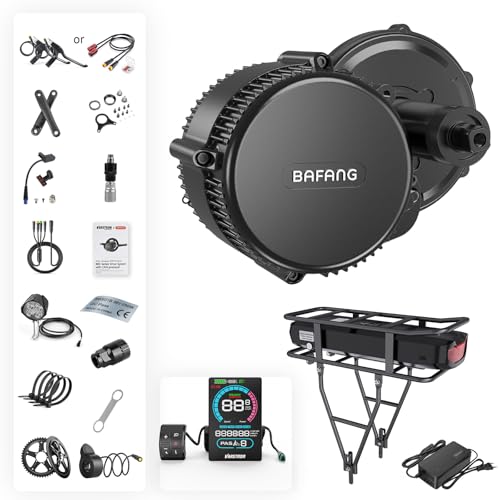
While the technical answer to “can my Norco Santiago bike be converted to electric?” is often yes, the practical answer is more nuanced. Norco Santiago models are typically designed for recreational use, meaning their frames and components are not engineered to withstand the sustained torque and higher operational stresses of an electric motor. This can lead to accelerated wear, potential frame fatigue, or even catastrophic failure if not addressed with robust upgrades. The decision hinges on a realistic assessment of the bike’s current condition and your willingness to invest in necessary reinforcements and component upgrades, which can often exceed the cost of a new, purpose-built e-bike.
Common Myths About E-Bike Conversions
- Myth 1: Any bike can be converted to electric with a standard kit.
- Correction: This is false. Frame material, geometry, dropout standards, brake types, and bottom bracket configurations vary widely. A “one-size-fits-all” approach rarely works and often leads to compatibility issues or unsafe modifications. A thorough assessment of your specific bike model is paramount.
- Myth 2: E-bike conversions are always cheaper than buying a new e-bike.
- Correction: This can be misleading. While a basic conversion kit might seem inexpensive, the true cost includes a quality battery, a compatible controller, a robust charger, and often essential upgrades like better brakes, stronger wheels, and sometimes frame reinforcement. These added costs can quickly make a conversion more expensive than purchasing a factory-built e-bike with integrated design and warranty.
Expert Tips for E-Bike Conversions
BLOCKQUOTE_0
- Tip 1: Prioritize Frame Material:
- Action: If your Norco Santiago has a chromoly steel frame, it generally offers better resilience to the stresses of an e-bike conversion than an aluminum frame. Thoroughly inspect all welds and tubing for any signs of weakness.
- Common Mistake: Assuming all frame materials will perform equally under motor torque, leading to premature fatigue or failure.
- Tip 2: Upgrade Braking System Rigorously:
- Action: If your Norco Santiago is equipped with rim brakes, strongly consider upgrading to hydraulic disc brakes. This is essential for safely managing the increased speed and weight of an e-bike, especially on descents.
- Common Mistake: Retaining inadequate braking systems, which is a significant safety risk when converting to an e-bike.
- Tip 3: Implement Torque Arms for Hub Motors:
- Action: For hub motor installations, particularly on aluminum frames or forks, always install torque arms. These devices prevent the motor axle from rotating within the dropouts, protecting them from damage and preventing loss of control.
- Common Mistake: Skipping torque arms, which can lead to severe dropout damage, wheel slippage, and potentially dangerous accidents.
Common Mistakes in E-Bike Conversions
- Mistake: Using an incompatible battery charger.
- Why it matters: E-bike batteries require specific charging voltage and current profiles. Using a generic or incorrect charger can damage the battery cells, reduce its lifespan, or create a fire hazard.
- Fix: Always use the charger supplied with your battery pack or one explicitly recommended by the battery manufacturer.
- Mistake: Ignoring weight distribution impact.
- Why it matters: Adding heavy motor and battery components significantly alters a bike’s center of gravity and handling characteristics. Poor weight distribution can lead to instability, reduced maneuverability, and a feeling of being “pushed” rather than “ridden.”
- Fix: Mount the battery as low and centrally as possible. Consider the overall balance and how weight is distributed between the front and rear wheels.
- Mistake: Purchasing unbranded or suspiciously cheap conversion kits.
- Why it matters: Low-cost, unbranded kits often use inferior components, lack proper safety certifications, and offer minimal customer support. They are prone to premature failure, performance issues, and potential safety hazards.
- Fix: Invest in kits from reputable manufacturers with documented specifications, positive reviews, and reliable warranty or support services.
- Mistake: Underestimating drivetrain wear and tear.
- Why it matters: The increased torque from an electric motor places considerably more stress on the chain, cassette, and chainrings, accelerating their wear rate. A worn drivetrain will perform poorly and can fail under load.
- Fix: Regularly inspect and replace worn drivetrain components. Consider using a heavier-duty chain designed for e-bike applications and ensure proper chainline alignment, especially with mid-drive motors.
FAQ
- Q: Will converting my Norco Santiago void its warranty?
- A: Yes, any modification to the bicycle, including the installation of an e-bike conversion kit, will almost certainly void any remaining manufacturer warranty on the frame and original components.
- Q: What kind of range can I expect from a converted Norco Santiago?
- A: Range is highly variable, depending on battery capacity (measured in Watt-hours, Wh), motor efficiency, rider weight, terrain, and the level of assistance used. A typical 500Wh battery might provide 20-50 miles of range.
- Q: Can I use a mid-drive motor on any Norco Santiago model?
- A: Mid-drive motors require specific bottom bracket shell dimensions and types (e.g., BSA threaded 68mm or 73mm). Older bikes, or those with non-standard bottom brackets, may not be compatible or may require costly frame modifications.
- Q: Are there any structural reinforcements I should consider for my Norco Santiago conversion?
- A: Depending on the frame material and motor power, reinforcing the dropouts (especially with aluminum frames) and ensuring the frame can handle the increased torque and stress is crucial. Some builders opt for gusseting critical frame junctions for added strength.
| Component | Typical Cost Range (USD) | Critical Consideration |
|---|---|---|
| Hub Motor Kit | $400 – $1000 | Dropout compatibility, wheel size, spoke tension |
| Mid-Drive Motor Kit | $600 – $1500 | Bottom bracket standard, frame clearance, chainline |
| Battery Pack (36V/48V) | $300 – $800 | Capacity (Wh), cell quality, mounting provisions |
| Controller & Display | $100 – $300 | Compatibility with motor and battery, features |
| Brake System Upgrade | $100 – $300 | Rotor size, caliper type (hydraulic recommended), lever feel |
| Torque Arms (optional) | $20 – $50 | Essential for hub motors on aluminum frames/forks to prevent dropout damage |

Ryan Williams has spent over 8 years testing, repairing, and writing about electric bikes. He has personally ridden and reviewed 150+ e-bike models from brands like Lectric, Aventon, Rad Power, Super73, and dozens more.
Before founding EBIKE Delight, Ryan worked as a bicycle mechanic for 5 years at independent bike shops across California, where he specialized in e-bike conversions and electrical system diagnostics. He holds a Certificate in Electric Vehicle Technology from the Light Electric Vehicle Association (LEVA).
Ryan’s work has been cited by Electric Bike Report, Electrek, and BikeRumor. When he is not testing the latest e-bike on California backroads, he is in his workshop tearing down batteries and controllers to understand what makes them tick — and what makes them fail.
Areas of Expertise
E-bike performance testing and real-world range verificationBattery diagnostics, charging best practices, and safetyBrand comparisons: Lectric, Aventon, Rad Power, Super73, and moreError code troubleshooting across major e-bike systemsE-bike laws, registration, and compliance by state
Ryan believes every rider deserves honest, hands-on information — not marketing hype.