Do I Need Ebrakes for My Electric Bike?
If you are comparing options here, Factors Contributing to the High Cost of Electric Bikes is a relevant choice worth checking.
No products found.
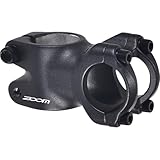
If you are comparing options here, Igo Electric Bikes 005-030 Zoom Stem – 45mm is a relevant choice worth checking Check price igo electric bike reviews what owners are saying
If you are comparing options here, Igo Electric Bikes 005-030 Zoom Stem – 45mm is a relevant choice worth checking.
do i need ebrakes for my electric bike: Quick Answer
- E-brakes, or electronic brake sensors integrated with hydraulic disc brakes, are not universally mandated but represent a critical safety upgrade for many electric bikes, particularly those exceeding 20 mph.
- They provide superior stopping power and control by ensuring the motor’s assistance is cut the instant the brake lever is engaged, a feature absent in standard braking systems.
- Consider them essential for Class 3 e-bikes (up to 28 mph), heavier riders, frequent downhill riding, or any situation demanding maximum control and immediate deceleration.
Who This Is For
- Electric bike owners or prospective buyers evaluating the necessity and benefits of advanced braking systems.
- Riders seeking to understand the functional differences and safety implications of e-brakes versus traditional bicycle brakes.
What to Check First
Before concluding whether you need e-brakes, assess these critical factors:
- Your E-Bike’s Class and Top Speed: Class 1 and 2 e-bikes (max 20 mph) might function adequately with high-quality mechanical or hydraulic disc brakes. Class 3 e-brakes (max 28 mph) and those with more powerful motors necessitate enhanced braking.
- Riding Environment and Terrain: Frequent descents, heavy traffic, wet conditions, or carrying substantial loads significantly increase the demand on your braking system.
- Your Weight and Cargo Capacity: The total mass your e-bike needs to stop directly impacts the required braking performance.
- Current Brake System: Identify if your e-bike is equipped with rim brakes, mechanical disc brakes, or hydraulic disc brakes. This establishes a baseline for comparison.
Step-by-Step Plan: Deciding if You Need E-Brakes
Step 1: Verify Your E-Bike’s Specifications
Action: Consult your e-bike’s user manual or the manufacturer’s official website.
Look for: The e-bike’s classification (Class 1, 2, or 3), maximum assisted speed, motor wattage, and specific brake system details, such as “hydraulic disc brakes with motor cutoff.”
Mistake: Assuming all e-bikes with disc brakes automatically have the electronic motor cutoff feature.
Step 2: Analyze Your Riding Habits and Needs
Action: Honestly assess your typical riding scenarios and the demands placed on your bike.
Look for: Steep inclines and descents, frequent stop-and-go traffic, riding in inclement weather (rain, dust), and the typical weight you carry (including rider, gear, and cargo).
Mistake: Underestimating the cumulative stress that frequent braking in challenging conditions places on a standard brake system.
Step 3: Understand E-Brake Technology
Action: Research how e-brakes function and their advantages.
Look for: E-brakes integrate sensors with brake levers that signal the e-bike’s controller to immediately disengage motor power. This is distinct from the mechanical or hydraulic action of the brakes themselves.
Mistake: Confusing the improved stopping power of hydraulic disc brakes with the added safety of electronic motor cutoff.
Step 4: Compare Braking Performance Metrics
Action: Investigate the stopping power and modulation capabilities of different brake types.
Look for: Data or reviews comparing stopping distances and lever feel between mechanical disc, standard hydraulic disc, and e-bike hydraulic disc brakes. E-brakes offer the benefit of immediate power cut-off, which aids control.
Mistake: Focusing solely on stopping distance without considering the critical aspect of motor power interruption during braking.
Step 5: Evaluate Safety Implications
Action: Prioritize safety features relevant to the higher speeds and momentum of e-bikes.
Look for: The immediate cessation of motor assist when braking is a primary safety benefit, preventing the bike from continuing to propel itself while you are attempting to slow down.
Mistake: Overlooking the potential for unintended acceleration during braking, which is mitigated by e-brakes.
Step 6: Consider Upgrade Costs and Complexity
Action: Research the cost and feasibility of retrofitting e-brakes onto an existing e-bike.
Look for: Information on compatible brake levers, sensors, and the integration required with the e-bike’s electrical system.
Mistake: Underestimating the complexity and cost of aftermarket e-brake installations, which can be significant.
Do I Need E-Brakes for My Electric Bike? The Contrarian Perspective
The common narrative strongly advocates for e-brakes on virtually all electric bikes. However, the question “do i need ebrakes for my electric bike?” warrants a more critical examination. While e-brakes offer undeniable safety advantages, particularly the immediate motor cutoff, their necessity can be overstated for certain e-bike classes and riding scenarios. A robust, well-maintained set of standard hydraulic disc brakes can provide sufficient stopping power and control for many riders, especially when paired with experienced riding techniques.
Counterpoint: When Standard Hydraulic Disc Brakes May Suffice
- Lower-Speed E-bikes (Class 1 & 2): For e-bikes capped at 20 mph, the kinetic energy is significantly lower. High-quality hydraulic disc brakes, known for their excellent modulation and stopping power, can manage this speed effectively without the electronic cutoff. The risk of unintended acceleration during braking is reduced.
- Riders Prioritizing Mechanical Excellence: Some riders and mechanics argue that investing in top-tier mechanical components (e.g., Shimano XT or SRAM Guide) and ensuring they are perfectly set up—properly bled, with fresh pads and clean rotors—can yield braking performance that rivals or even surpasses lower-end e-brake systems. The focus here is on maximizing the effectiveness of the mechanical braking itself.
- Controlled Riding Environments: If your riding is primarily on dedicated bike paths, quiet residential streets, or predictable trails with minimal traffic and no steep descents, the immediate need for electronic motor cutoff might be less critical, provided you maintain excellent situational awareness and braking technique.
The Case for E-Brakes: When They Become Essential
- High-Speed E-bikes (Class 3): For e-bikes reaching up to 28 mph, the kinetic energy is substantially higher. The argument “do i need ebrakes for my electric bike” becomes compelling here because the margin for error in braking is smaller. The immediate motor cutoff prevents the bike from continuing to accelerate while you’re trying to decelerate, which is a critical safety feature at these speeds.
- Heavy Loads and Demanding Terrain: If you frequently carry heavy cargo, tow a trailer, or regularly navigate steep, winding descents, the sustained braking forces and the need for precise, immediate control are paramount. E-brakes provide an added layer of confidence and safety in these demanding situations.
- Beginner Riders or Those Seeking Maximum Safety: For individuals new to e-bikes, less confident in their riding skills, or those who simply prioritize the highest level of safety, the automatic motor cutoff offers a significant peace of mind and a critical safety net.
BLOCKQUOTE_0
Common Mistakes
- Mistake: Assuming all disc brakes on an e-bike are “e-brakes.”
- Why it matters: “E-brake” specifically refers to the integration of electronic sensors that cut motor power. Many e-bikes have hydraulic disc brakes that do not have this electronic cutoff feature.
- Fix: Always verify the specifications for “motor cutoff” or “electronic brake sensors” when purchasing or evaluating an e-bike’s braking system.
If you are comparing options here, 14.5 Inch 500W Brushless Geared Hub Motor With 145/70-6 Off Road Tire For Trolley Wheelbarrow Scooter (36V500W) is a relevant choice worth checking.

- 14.5 Inch 500W Brushless Geared Hub Motor With 145/70-6 Off Road Tire For Electric Trolley Wheelbarrow Scooter
- The kit includes:
- 1). 1x 14.5 inch 500W brushless geared hub motor (with tire)
- 2). 1x Motor controller
- 3). 1x Thumb throttle (with indicator lights & button switch)
- Mistake: Over-reliance on e-brakes without proper maintenance.
- Why it matters: E-brakes, like any brake system, require regular upkeep. Dirty sensors, worn brake pads, or low hydraulic fluid will degrade performance and compromise safety.
- Fix: Establish and adhere to a consistent maintenance schedule for your brakes, including cleaning sensors, checking pad wear, and ensuring proper hydraulic fluid levels and lever feel.
- Mistake: Equating “hydraulic disc brakes” with superior safety over all other systems.
- Why it matters: While hydraulic disc brakes offer excellent stopping power, they lack the specific safety feature of immediate motor cutoff that e-brakes provide. This distinction is crucial for higher-speed e-bikes.
- Fix: Understand that e-brakes build upon the foundation of hydraulic disc brakes by adding the electronic motor cutoff, offering a distinct safety advantage.
- Mistake: Believing e-brakes eliminate the need for defensive riding.
- Why it matters: E-brakes are a safety enhancement, not a substitute for good judgment, situational awareness, and appropriate speed management. Excessive speed or risky maneuvers can still lead to accidents.
- Fix: Always ride defensively, anticipate potential hazards, and maintain control of your speed, regardless of how advanced your braking system is.
FAQ
- Q: Do I need e-brakes if my electric bike’s top speed is only 20 mph?
- A: While not strictly mandatory for all 20 mph e-bikes, they are a highly recommended safety upgrade, especially if you ride in hilly terrain, carry heavy loads, or are a less experienced rider. High-quality standard hydraulic disc brakes are a minimum requirement.
- Q: Can I upgrade my current e-bike to have e-brakes?
- A: Retrofitting e-brakes can be complex and costly, often requiring compatible brake levers, sensors, and integration with your e-bike’s specific controller. It’s best to consult with your e-bike manufacturer or a specialized e-bike service center.
- Q: How can I tell if my e-bike already has e-brakes installed?
- A: Look for small electronic sensors typically located near the brake levers where they attach to the handlebars. You can also check your e-bike’s official specifications for terms like “motor cutoff” or “electronic brake sensors.”
- Q: Are e-brakes more powerful than standard hydraulic disc brakes?
- A: The braking force itself is primarily generated by the hydraulic system. E-brakes enhance safety and control by adding the immediate motor cutoff feature, which prevents the motor from continuing to propel the bike during deceleration, making the overall braking experience feel more effective and safer.
- Q: What is the main advantage of e-brakes over mechanical disc brakes?
- A: E-brakes (which are typically hydraulic disc brakes with electronic cutoff) offer significantly superior stopping power, modulation, and require less lever force than mechanical disc brakes. The critical advantage of e-brakes is the immediate disengagement of motor power upon braking.
| Brake System Type | Stopping Power | Modulation | Motor Cutoff Feature | Primary Application |
|---|---|---|---|---|
| Mechanical Disc | Moderate | Fair | No | Entry-level e-bikes, low-speed commuting |
| Hydraulic Disc (Standard) | High | Excellent | No | Most e-bikes, general use, varied terrain |
| Hydraulic Disc (E-brake) | High | Excellent | Yes | High-speed e-bikes (Class 3), heavy loads, steep descents |
Last update on 2026-03-15 / Affiliate links / Images from Amazon Product Advertising API