Essential Components for Building a Fast Electric Bike
I’ve always been fascinated by the thrill of speed, and building a fast electric bike has become a passion of mine. Over the years, I’ve learned that the right components can make all the difference in achieving that exhilarating ride. From selecting an efficient battery to understanding frame materials, each part plays a crucial role in enhancing performance. I’ll share my insights on optimizing gearing systems and implementing effective braking solutions to ensure safety and speed. Join me as I explore the essential components that can transform any bike into a fast electric bike.
Key Takeaways
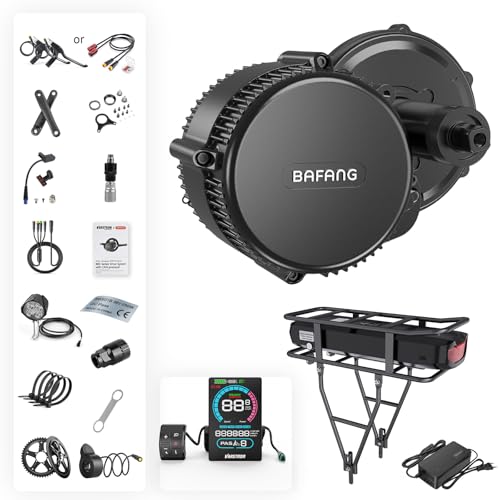
Choose a mid-drive motor with around 750 watts for optimal speed and hill climbing efficiency.
Select high-capacity lithium-ion batteries for longer distances and compatibility with the motor for better performance.
Opt for lightweight carbon fiber frames for enhanced speed or durable aluminum frames for cost-effectiveness.
Implement hydraulic disc brakes for superior stopping power and conduct regular maintenance checks for safety.
Choosing the Right Motor
Choosing the right motor is crucial for ensuring my electric bike reaches optimal speed and efficiency. I’ve looked into different types, like hub motors and mid-drive motors. Each has its advantages, but I’m leaning toward a mid-drive motor for better hill climbing. I know the wattage matters, so I’m aiming for something around 750 watts for that extra boost. I’ve read that higher RPM can lead to faster speeds, so I’m considering that too.
I’ve also got to think about the weight of the motor; I don’t want it to feel bulky. Battery compatibility plays a role, and I want a motor that pairs well with my chosen battery. I’m making sure to check the torque ratings, especially since I plan to ride off-road. Ultimately, I want a motor that gives me the right balance of speed and control for my riding style.
Selecting an Efficient Battery
An efficient battery makes a significant difference in the overall performance of my electric bike. I’ve noticed that when I choose a high-capacity lithium-ion battery, I can ride longer distances without worrying about running out of power. It’s crucial for me to consider the weight of the battery as well; a lighter battery helps improve my bike’s speed and handling. I also pay attention to the discharge rate because a battery that can deliver a higher current allows me to accelerate quickly.
I prefer batteries with a longer lifespan, so I don’t have to replace them frequently. Additionally, I look for batteries that charge quickly; it’s a time-saver for my busy schedule. The compatibility with my motor is another factor I can’t overlook, as it ensures optimal performance. I often read reviews to find out which brands are reliable and recommended by other cyclists. Ultimately, selecting the right battery has made my electric biking experience much more enjoyable and efficient.
Understanding Frame Materials
When I’m looking at electric bike performance, I can’t overlook the importance of frame materials. Different materials can significantly affect how the bike handles and feels on the road. So, let’s dive into the common frame material types and their impact on performance factors.
Common Frame Material Types
Carbon fiber and aluminum are two frame materials I often consider for their unique benefits and performance characteristics. I love how carbon fiber offers a lightweight yet stiff option that enhances speed and agility. On the other hand, aluminum provides durability and a more budget-friendly choice without sacrificing too much performance. I’ve also noticed that each material impacts the bike’s overall weight distribution and ride comfort differently. Ultimately, the choice between them really comes down to personal preferences and riding style.
Impact on Performance Factors
Electric bike performance really hinges on how the frame materials influence factors like weight, stiffness, and overall ride quality. I’ve noticed that a lighter frame often translates to better acceleration and handling. When I ride a bike with a stiffer frame, I can feel the increased power transfer during climbs. The overall ride quality tends to improve with materials that absorb vibrations, making my journeys more comfortable. Ultimately, the right frame material can make all the difference in how I experience my electric bike.
Optimizing Gearing Systems
I’ve found that optimizing the gearing system can significantly enhance the bike’s performance and speed. I like to start by selecting the right gear ratios for my riding style. It’s crucial to balance between acceleration and top speed. I often experiment with different chainrings and cogs to find the perfect combination. I’ve noticed that a smoother shifting mechanism can make a huge difference in my ride. I also pay attention to the weight of the components; lighter gears can improve overall efficiency. I regularly maintain the drivetrain to ensure everything runs smoothly. It helps to have a quality derailleur that can handle the tension effectively. Ultimately, a well-optimized gearing system makes every ride more enjoyable and efficient.
Implementing Effective Braking Solutions
When I’m thinking about building a fast electric bike, I know that implementing effective braking solutions is crucial. I can’t overlook the importance of choosing the right brakes and ensuring they’re well-maintained. These components play a significant role in enhancing both safety and performance.
Choosing the Right Brakes
Choosing the right brakes is something I take very seriously for my bike’s overall performance and safety. I often research different types of brakes to find the best fit for my riding style and speed. I prefer hydraulic disc brakes for their superior stopping power and modulation. I also make sure to regularly check and replace brake pads to maintain optimal performance. Without effective brakes, I know my riding experience could be compromised.
Brake System Maintenance Tips
Regular brake system maintenance is something I can’t ignore if I want my bike to perform safely and efficiently. I always check the brake pads for wear and replace them when they get too thin. I make sure to clean the brake calipers regularly to prevent any dirt buildup. I also inspect the brake cables for fraying and ensure they’re properly lubricated. Lastly, I take the time to test the brakes frequently to ensure they’re functioning optimally.
Enhancing Aerodynamics for Speed
I’ve always believed that enhancing aerodynamics is key to achieving higher speeds on electric bikes. By focusing on specific design elements, I can make significant improvements in performance. Let’s dive into some essential components that contribute to building a fast electric bike.
Frame Design Optimization
Frame design optimization plays a crucial role in balancing weight and strength for better overall performance in electric bikes. I’ve noticed that a lighter frame allows for quicker acceleration and improved handling. By using advanced materials, I can enhance the frame’s durability without adding extra weight. I often experiment with different geometries to reduce drag and enhance stability at high speeds. Ultimately, a well-optimized frame makes a significant difference in my riding experience.
Wheel and Tire Selection
Selecting the right wheel and tire combination is crucial for optimizing both speed and stability on my electric bike. I’ve found that lighter wheels can greatly reduce rolling resistance, allowing for quicker acceleration. Choosing the right tire width is also essential; narrower tires tend to slice through the air more efficiently. I make sure to select tires with a tread pattern that balances grip and speed. Ultimately, my wheel and tire choices significantly impact my overall riding experience.
Rider Positioning Techniques
Rider positioning techniques can dramatically influence both comfort and speed during a ride. I’ve found that lowering my torso and keeping my elbows tucked can reduce drag significantly. Adjusting the saddle height helps me maintain an efficient pedal stroke and improve power transfer. Leaning forward slightly while keeping my back straight has made a noticeable difference in my overall speed. It’s all about finding that sweet spot where I’m both comfortable and fast.
Fairing and Wind Shielding
Fairing and wind shielding play a crucial role in reducing drag, and I can see how they can drastically improve my electric bike’s speed. I’ve noticed that adding a fairing can streamline my ride and cut through the wind more efficiently. With the right wind shielding, I feel less resistance, allowing me to maintain higher speeds with less effort. I’ve also found that investing in quality materials for these components makes a significant difference in performance. Overall, I’m excited to see how these enhancements can elevate my biking experience.
Frequently Asked Questions
What are the legal requirements for riding an electric bike in my area?
I’ve been looking into the legal requirements for riding an electric bike in my area, and it’s been quite enlightening. First off, I found that most places require riders to be at least a certain age, usually around 14 or 16. I also discovered that I need to wear a helmet if I’m under a specific age, which makes sense for safety. Furthermore, there are restrictions on where I can ride; for instance, some bike paths or lanes might not allow electric bikes. I’ve also seen that there are power and speed limits for e-bikes, so I’ll need to check if my bike complies. Overall, staying informed about these regulations is crucial to ensure I ride legally and safely.
How do i maintain and care for my electric bike to ensure longevity?
To maintain and care for my electric bike, I make sure to regularly check the tire pressure and keep the tires properly inflated. I also clean the bike chain and apply lubricant to ensure smooth shifting and prevent rust. It’s important for me to inspect the brakes frequently, as I want to ensure they’re functioning effectively for my safety. I always keep the battery charged and avoid letting it completely drain, since that can shorten its lifespan. Additionally, I store my bike in a dry place to protect it from the elements, especially if it’s not in use for a while. By following these simple steps, I can enjoy my electric bike for years to come!
What is the average cost of building a fast electric bike?
When I think about the average cost of building a fast electric bike, it really depends on the components I choose. Typically, I’d expect to spend anywhere from $1,500 to $3,000, but that can vary widely based on the quality of parts I want. If I opt for high-performance batteries and motors, the price can shoot up significantly. I’ve also found that adding features like better brakes and suspension can increase the overall cost. It’s important for me to consider my budget and what I actually need for my riding style. In the end, I want to make sure I’m getting the best value for my investment while still achieving the speed I’m after.
If you’re exploring the essential components for building a fast electric bike, you might also be interested in understanding the implications of front wheel drive systems. Check out this insightful article on whether front wheel drive electric bikes cause damage, which can provide valuable information for your bike-building journey. Visit the link here: Do Front Wheel Drive Electric Bikes Cause Damage? for more details.

Ryan Williams has spent over 8 years testing, repairing, and writing about electric bikes. He has personally ridden and reviewed 150+ e-bike models from brands like Lectric, Aventon, Rad Power, Super73, and dozens more.
Before founding EBIKE Delight, Ryan worked as a bicycle mechanic for 5 years at independent bike shops across California, where he specialized in e-bike conversions and electrical system diagnostics. He holds a Certificate in Electric Vehicle Technology from the Light Electric Vehicle Association (LEVA).
Ryan’s work has been cited by Electric Bike Report, Electrek, and BikeRumor. When he is not testing the latest e-bike on California backroads, he is in his workshop tearing down batteries and controllers to understand what makes them tick — and what makes them fail.
Areas of Expertise
E-bike performance testing and real-world range verificationBattery diagnostics, charging best practices, and safetyBrand comparisons: Lectric, Aventon, Rad Power, Super73, and moreError code troubleshooting across major e-bike systemsE-bike laws, registration, and compliance by state
Ryan believes every rider deserves honest, hands-on information — not marketing hype.