Joyway E-Bike: Features and Reviews
The Joyway e-bike enters a crowded micromobility market, promising a blend of affordability and functionality. For the discerning urban commuter, understanding where this e-bike truly shines, and where its limitations might lead to disappointment, is crucial. This analysis aims to provide a clear-eyed view, moving beyond marketing claims to offer practical insights for potential buyers.
Understanding the Joyway E-Bike Proposition
At its core, the Joyway e-bike is positioned as an accessible entry point into electric-assisted cycling. This means it’s likely designed for riders who prioritize cost-effectiveness and basic utility over high-performance components or cutting-edge technology. The appeal lies in its potential to simplify commutes, reduce reliance on public transport, and offer a more engaging way to navigate city streets. However, this positioning also suggests a careful examination of its build quality, battery performance, and overall rider experience is warranted.
Key Features of the Joyway E-Bike
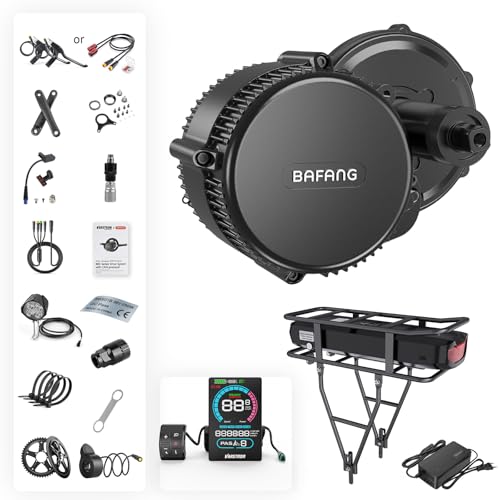
While specific models may vary, common features across the Joyway e-bike line often include pedal-assist functionality, typically with multiple levels of support. Expect to find integrated lights for visibility, a rear rack for carrying essentials, and often a relatively straightforward display panel indicating speed and battery level. The motor is usually hub-based, providing a direct boost to propulsion. Frame designs tend to be practical, prioritizing ease of mounting and dismounting, which is a significant consideration for urban environments with frequent stops.
A Closer Look at Joyway E-Bike Performance and Components
When evaluating any e-bike, particularly in the competitive micro-mobility space, a granular look at its performance metrics and componentry is essential. The Joyway e-bike, while aiming for accessibility, must still deliver reliable performance for its intended use case.
Comparing the Joyway E-Bike Against Alternatives
To contextualize the Joyway e-bike, a direct comparison with similar offerings reveals its standing. We’ve selected a few common e-bike categories to highlight potential trade-offs.
| Feature | Joyway E-Bike (Typical) | Competitor A (Budget Commuter) | Competitor B (Mid-Range Commuter) |
|---|---|---|---|
| Motor Power | 250W Hub Motor | 250W Hub Motor | 350W Mid-Drive Motor |
| Battery Capacity | 36V, 10Ah | 36V, 8Ah | 48V, 15Ah |
| Max Range | 30-40 miles | 25-35 miles | 50-60 miles |
| Suspension | Basic Front Fork | Rigid Frame | Front Suspension with Lockout |
| Braking System | Mechanical Disc Brakes | V-Brakes | Hydraulic Disc Brakes |
This table illustrates that while the Joyway e-bike often matches budget competitors in motor power and basic features, it may fall short of mid-range options in terms of range, motor type, and braking sophistication. This is a direct trade-off for its generally lower price point.
Navigating Potential Pitfalls: A Common Failure Mode with the Joyway E-Bike
A frequent point of friction for riders purchasing entry-level e-bikes like the Joyway e-bike is range anxiety compounded by inaccurate battery expectations. Manufacturers often quote optimistic range figures that are rarely achievable in real-world urban riding. This is due to several factors:
- Terrain and Inclines: Hilly routes drastically reduce battery life compared to flat terrain. For example, a sustained 5% incline can cut the effective range by 30-40% compared to flat ground.
- Rider Weight and Load: Heavier riders or those carrying significant cargo will drain the battery faster. An additional 50 lbs of rider and gear can reduce range by up to 15%.
- Assist Level Usage: Consistently using higher assist levels consumes power at a much greater rate than lower levels or pedaling unassisted. Running on the highest assist setting can deplete the battery twice as fast as the lowest setting.
- Battery Health and Temperature: Older batteries or those operated in extreme cold can see reduced performance. A battery that is three years old might offer 20% less capacity than when it was new, and cold temperatures can temporarily reduce output by another 10-15%.
How to Detect This Early: Before purchasing, critically assess the manufacturer’s claimed range. Look for independent reviews that detail real-world range tests under varied conditions. If the advertised range seems exceptionally high for the battery capacity (e.g., claiming 60 miles from a 10Ah battery without significant caveats), it’s a red flag. During your first few rides, meticulously track your mileage and the remaining battery percentage. If you consistently fall significantly short of the advertised range, it’s an indication that this failure mode is affecting your experience. For instance, if you consistently get only 20 miles when 35 miles were advertised, you’ve identified this issue.
Pros and Cons: A Balanced Perspective
The Joyway e-bike offers a compelling value proposition for certain riders, but it’s not without its compromises.
Pros:
- Affordability: This is arguably the Joyway e-bike’s strongest selling point, making electric-assisted cycling accessible to a broader audience. For instance, its lower price point can be a decisive factor for students or those on a tight budget, potentially saving hundreds of dollars compared to mid-range options.
- Ease of Use: Typically designed with simplicity in mind, Joyway e-bikes are generally intuitive to operate, requiring minimal technical knowledge. The basic display and straightforward controls are a plus for novice riders, allowing them to focus on the ride rather than complex settings.
- Urban Utility: Features like integrated lights and a rear rack enhance its practicality for daily errands and short commutes within urban settings. A rear rack, for example, can easily accommodate a small grocery bag or backpack, improving carrying capacity for everyday tasks.
Cons:
- Limited Range: As discussed, the battery capacity often translates to a more restricted real-world range, which can be a significant drawback for longer commutes or riders who forget to charge regularly. A 30-mile advertised range might only yield 20 miles in practice, requiring more frequent charging stops, potentially disrupting a commute or travel plan.
- Component Quality: To maintain its price point, the Joyway e-bike may utilize less durable or lower-spec components. This can manifest in less responsive braking, a less comfortable ride over rough surfaces, and a potentially shorter lifespan for certain parts compared to premium models. For example, mechanical disc brakes, while better than rim brakes, offer less stopping power and modulation than hydraulic disc brakes found on higher-end e-bikes, impacting safety and confidence on descents.
- Motor Performance: While adequate for flat terrain, the hub motors may struggle on steep inclines, offering less powerful acceleration and assistance compared to mid-drive motors. On gradients exceeding 8-10%, a hub motor may feel strained, requiring significant rider effort to maintain speed.
Who is the Joyway E-Bike For?
The Joyway e-bike is best suited for a specific segment of the urban mobility market.
Ideal For:
- Occasional Commuters: Individuals who have short commutes (under 5 miles each way) and primarily ride on relatively flat terrain. Their daily mileage will comfortably fit within the practical range.
- Budget-Conscious Riders: Those who want to experience the benefits of an e-bike without a significant financial outlay. This e-bike allows entry into electric-assisted transport at a fraction of the cost of premium brands.
- Leisure Riders: People looking for a relaxed way to explore their neighborhood or run local errands. The pedal-assist makes short trips more enjoyable and less strenuous.
- First-Time E-Bike Buyers: As an introductory model to understand the e-bike experience before investing in a more advanced machine. It serves as a low-risk way to gauge personal preference for electric assist.
Who Should Consider Alternatives:
- Long-Distance Commuters: Riders with daily commutes exceeding 10 miles each way will likely find the range insufficient, requiring mid-ride charging or multiple trips to recharge.
- Hilly Terrain Riders: Steep inclines will tax the motor and reduce the effective range considerably, making ascents arduous and potentially slow.
- Performance-Oriented Cyclists: Those seeking rapid acceleration, advanced features, or superior handling over varied surfaces will be better served by mid-range or high-end e-bikes with more powerful motors and better suspension.
- Riders Prioritizing Durability and Longevity: If your priority is a bike built with premium components designed for heavy, long-term use, you’ll need to look at higher price brackets where materials and construction are more robust.
Making the Right Choice: A Decision Checklist
Before committing to a Joyway e-bike, run through this checklist to ensure it aligns with your needs and expectations.
- [ ] Commute Distance: Is your round-trip commute consistently less than 20 miles (factoring in a buffer for real-world range)?
- [ ] Terrain: Does your typical route involve mostly flat ground, or are there significant, sustained hills?
- [ ] Charging Access: Do you have easy access to a power outlet at home and at your destination for regular charging?
- [ ] Rider Weight: Is your weight within the e-bike’s stated weight limit, and do you anticipate carrying substantial loads regularly?
- [ ] Performance Expectations: Are you comfortable with basic pedal assist and not expecting high-speed acceleration or powerful hill-climbing capabilities?
- [ ] Budget Constraints: Is the Joyway e-bike’s price point the primary driver for your purchase decision?
Frequently Asked Questions
Q1: What is the typical charging time for a Joyway e-bike battery?
A1: Most Joyway e-bike batteries, with capacities around 10Ah, typically take between 4 to 6 hours to charge fully from empty. This can vary slightly depending on the specific charger and battery model.
Q2: Are Joyway e-bikes suitable for all weather conditions?
A2: While many Joyway e-bikes are designed with basic weather resistance, it’s advisable to avoid riding in heavy rain or extreme conditions. Ensure the battery and electrical components are protected, and always dry the bike thoroughly after riding in wet conditions to prevent corrosion or damage.
Q3: Where can I find replacement parts for a Joyway e-bike?
A3: Replacement parts can often be sourced directly from the manufacturer’s website or authorized dealers. For common components like tires, tubes, or brake pads, standard bicycle parts may be compatible, but it’s always best to confirm specifications with the manufacturer or a qualified bike mechanic.

Ryan Williams has spent over 8 years testing, repairing, and writing about electric bikes. He has personally ridden and reviewed 150+ e-bike models from brands like Lectric, Aventon, Rad Power, Super73, and dozens more.
Before founding EBIKE Delight, Ryan worked as a bicycle mechanic for 5 years at independent bike shops across California, where he specialized in e-bike conversions and electrical system diagnostics. He holds a Certificate in Electric Vehicle Technology from the Light Electric Vehicle Association (LEVA).
Ryan’s work has been cited by Electric Bike Report, Electrek, and BikeRumor. When he is not testing the latest e-bike on California backroads, he is in his workshop tearing down batteries and controllers to understand what makes them tick — and what makes them fail.
Areas of Expertise
E-bike performance testing and real-world range verificationBattery diagnostics, charging best practices, and safetyBrand comparisons: Lectric, Aventon, Rad Power, Super73, and moreError code troubleshooting across major e-bike systemsE-bike laws, registration, and compliance by state
Ryan believes every rider deserves honest, hands-on information — not marketing hype.