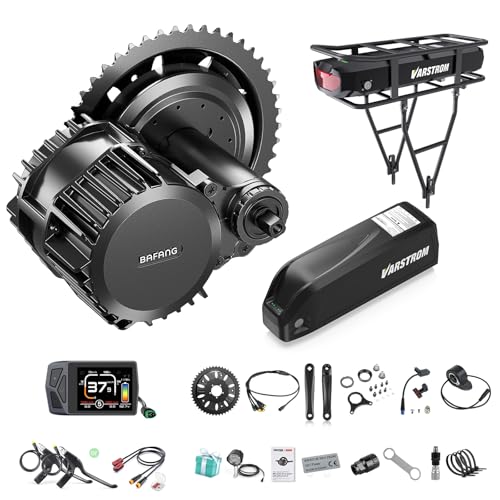
The M2S All Terrain Ultra Series Review: High-Performance E-MTBs
the m2s all terrain ultra series review high performance e mtbs: Quick Answer
- The M2S All Terrain Ultra Series offers robust, high-performance electric mountain bikes geared towards serious trail riders and commuters seeking power and durability.
- Key strengths include powerful motor systems, quality suspension, and durable construction, though potential buyers should verify specific component choices for their intended use.
- This series is best suited for riders who prioritize off-road capability and consistent power delivery over lightweight portability.
Who This Is For
- Experienced mountain bikers looking to augment their rides with electric assist, particularly for tackling challenging climbs or extending ride duration.
- Commuters who navigate varied terrain, including unpaved paths or steep gradients, and require a dependable, powerful machine.
What to Check First
Before diving into the specifics of the M2S All Terrain Ultra Series, consider these crucial points:
- Motor and Battery Specifications: Confirm the motor’s torque (Nm) and peak wattage, as well as the battery’s capacity (Wh) and expected range. These directly impact performance and ride duration.
- Suspension Type and Travel: Verify the front and rear suspension (if applicable) and their travel in millimeters. This is critical for off-road comfort and capability.
- Componentry Levels: M2S often offers various build kits. Check the quality of the drivetrain (e.g., Shimano Deore vs. XT), brakes (e.g., Tektro vs. Shimano hydraulic), and tires, as these significantly affect performance and longevity.
- Weight: While e-MTBs are inherently heavier, understanding the bike’s total weight is important for handling, especially if you anticipate needing to lift or maneuver it frequently.
The M2S All Terrain Ultra Series Review: High Performance E-MTBs
The M2S All Terrain Ultra Series positions itself as a strong contender in the high-performance e-MTB market. These bikes are built with a focus on delivering power and tackling demanding terrain, making them suitable for both aggressive trail riding and robust commuting. Our analysis focuses on the core strengths and potential considerations for riders evaluating this series.
The core appeal of the Ultra Series lies in its potent electric drive system. M2S typically employs reputable mid-drive motors that provide ample torque, crucial for accelerating uphill or powering through technical sections. This power delivery is often complemented by substantial battery capacities, offering the range needed for longer excursions without range anxiety. When comparing, it’s essential to look beyond just the motor brand and consider its specific output ratings and how they align with your typical riding conditions. A higher torque rating, for instance, will be more beneficial for steep climbs than a motor optimized for sustained flat-ground speed.
Understanding Component Trade-offs in the Ultra Series
A key aspect of evaluating any e-MTB, including the M2S All Terrain Ultra Series, is understanding the trade-offs inherent in component selection. M2S, like many manufacturers, may offer different build configurations within the Ultra Series. For example, a bike might come equipped with a more basic but reliable drivetrain, or a premium option featuring higher-end components.
| Component Category | Base Configuration Example | Mid-Tier Configuration Example | Premium Configuration Example |
|---|---|---|---|
| <strong>Motor</strong> | Bafang M600 (95 Nm) | Bosch Performance Line CX (85 Nm) | Shimano EP8 (85 Nm) |
| <strong>Battery</strong> | 48V 15Ah (720 Wh) | 36V 20Ah (720 Wh) | 48V 20Ah (960 Wh) |
| <strong>Brakes</strong> | Tektro Hydraulic | Shimano MT400 Hydraulic | Shimano XT Hydraulic |
| <strong>Suspension</strong> | 120mm Coil Fork | 130mm Air Fork | 140mm Full Suspension |
This table illustrates how different component levels can impact the bike’s overall capability and cost. A rider focused on downhill performance might prioritize better brakes and longer travel suspension, even if it means accepting a slightly less powerful motor or smaller battery to manage weight or cost. Conversely, a rider focused on endurance might opt for the largest battery available.
Common Failure Mode: Misjudging Terrain Capability
A common pitfall for riders considering the M2S All Terrain Ultra Series is misjudging its terrain capability based on its “All Terrain” moniker. While capable, these e-MTBs are not universally suited for every single type of off-road condition without careful consideration of their specific build.
Failure Mode: Overestimating suitability for extreme downhill or highly technical singletrack.
How to Detect Early:
- Review Component Specs: If the bike features only a basic coil fork with limited travel (e.g., under 120mm) and less robust brakes, it’s likely not optimized for aggressive downhill descents or frequent drops.
- Examine Tire Sidewalls: Look for tire designations. Tires marked for “XC” (cross-country) or “light trail” will not offer the same grip and puncture resistance as those designed for “enduro” or “downhill” riding.
- Check Frame Geometry: While harder to assess without seeing the bike, aggressive trail bikes typically have slacker head tube angles and longer reach figures. If the Ultra Series has a steeper head tube angle, it suggests a bias towards climbing and general trail riding rather than steep descents.
How to Fix: If you discover the specific configuration of the M2S All Terrain Ultra Series you’re considering isn’t suited for your most demanding terrain, investigate upgrade options for tires, brakes, or suspension. Alternatively, explore higher-tier models within the M2S lineup or other brands that specifically cater to your intended riding style.
Step-by-Step Plan for Evaluating the M2S All Terrain Ultra Series
To make an informed decision about the M2S All Terrain Ultra Series, follow this practical plan:
1. Define Your Primary Use Case:
- Action: Clearly list the top 2-3 activities you’ll use the e-MTB for (e.g., daily commute on mixed surfaces, weekend trail riding, gravel paths).
- What to Look For: How well do the bike’s specifications align with these primary uses? Does it have the necessary features for durability and comfort in those scenarios?
- Mistake: Assuming a general “all-terrain” label covers all your specific needs without verification.
2. Verify Motor and Battery Output:
- Action: Locate the exact motor torque (Nm) and battery capacity (Wh) for the specific model you’re interested in.
- What to Look For: Ensure the torque is sufficient for your expected climbs, and the battery capacity offers a realistic range for your longest planned rides.
- Mistake: Relying on generic “powerful motor” claims without checking specific numbers, leading to underpowered performance on hills.
3. Assess Suspension and Braking Systems:
- Action: Identify the type of front fork (air or coil), travel amount (mm), and the brand/model of the brakes (e.g., hydraulic disc, mechanical disc).
- What to Look For: For trail riding, look for at least 120mm of fork travel and hydraulic disc brakes. For more aggressive use, consider 140mm+ travel and higher-end brake systems.
- Mistake: Opting for a bike with basic suspension and brakes when your intended use demands more robust components, risking poor performance and safety.
4. Examine Drivetrain and Tire Quality:
- Action: Note the brand and model of the gear shifters and derailleurs (e.g., Shimano Deore, SRAM SX) and the type of tires.
- What to Look For: Higher-tier drivetrains offer smoother shifting and greater durability. Tires should be appropriate for your primary terrain—knobbier for trails, smoother for pavement.
- Mistake: Overlooking the drivetrain and tires, which are critical for efficient pedaling and reliable traction, leading to a less enjoyable or safe riding experience.
5. Consider Bike Weight and Handling:
- Action: Find the bike’s total weight and research its geometry if possible.
- What to Look For: While e-MTBs are heavy, understand how the weight distribution might affect handling, especially if you need to lift it.
- Mistake: Purchasing a bike that is excessively heavy for your physical capacity or intended storage situation, making it difficult to manage off the trail.
6. Read User Reviews and Expert Opinions:
- Action: Search for reviews specifically mentioning the M2S All Terrain Ultra Series and compare them to your findings.
- What to Look For: Consistent praise or criticism regarding specific components, ride quality, or customer support.
- Mistake: Basing your decision solely on marketing materials without seeking independent verification from other riders or reviewers.
Common Mistakes
- Mistake: Focusing solely on motor power (wattage) without considering torque.
- Why it Matters: Torque (measured in Newton-meters, Nm) is more indicative of a motor’s climbing ability and acceleration force than peak wattage, which often relates to sustained power output.
- Fix: Prioritize checking the torque rating (e.g., 85 Nm, 95 Nm) for your intended hilly terrain.
- Mistake: Assuming all “hydraulic disc brakes” are equal.
- Why it Matters: The stopping power and modulation vary significantly between entry-level hydraulic brakes (e.g., Tektro) and higher-end systems (e.g., Shimano XT).
- Fix: Verify the specific model of hydraulic brakes. For trail riding, aim for reputable brands with larger rotor options.
- Mistake: Not verifying battery capacity (Wh) for range estimation.
- Why it Matters: Battery capacity, measured in Watt-hours (Wh), directly correlates to how far you can ride on a single charge. A smaller Wh number means less range.
- Fix: Ensure the battery capacity meets or exceeds your longest expected ride distance, factoring in terrain and assist level.
- Mistake: Ignoring suspension travel and type for off-road use.
- Why it Matters: Insufficient suspension travel (e.g., less than 120mm for trail) or a basic coil fork can lead to a harsh ride and reduced control on rough terrain.
- Fix: Match suspension travel and type (air forks are generally more adjustable and lighter) to the intended terrain.
- Mistake: Underestimating the impact of tire tread and casing.
- Why it Matters: The wrong tires can lead to poor traction, increased rolling resistance, and vulnerability to punctures, significantly impacting ride quality and safety.
- Fix: Select tires that are appropriate for your primary riding surface—e.g., aggressive knobs for loose trails, a more moderate tread for mixed surfaces.
FAQ
- Q1: What kind of range can I expect from the M2S All Terrain Ultra Series?
A1: Range varies significantly based on battery capacity (Wh), motor efficiency, rider weight, terrain, and assist level used. Typically, a 720 Wh battery might offer anywhere from 20 to 60 miles, while a 960 Wh battery could extend that to 30 to 80 miles under ideal conditions. Always check the specific battery size for the model you are considering.
- Q2: Are these bikes suitable for long-distance commuting?
A2: Yes, the M2S All Terrain Ultra Series can be excellent for commuting, especially if your route includes varied terrain, hills, or unpaved sections. Their robust construction and powerful motors provide comfort and efficiency. However, their weight might be a consideration if you need to carry the bike frequently.
- Q3: Can I upgrade components on the M2S All Terrain Ultra Series later?
A3: Generally, yes. Many components like brakes, drivetrain parts, and even suspension forks can be upgraded. However, ensure compatibility before purchasing upgrades, and consider that upgrading major components can become costly. It’s often more cost-effective to select a model with the desired components from the outset.

Ryan Williams has spent over 8 years testing, repairing, and writing about electric bikes. He has personally ridden and reviewed 150+ e-bike models from brands like Lectric, Aventon, Rad Power, Super73, and dozens more.
Before founding EBIKE Delight, Ryan worked as a bicycle mechanic for 5 years at independent bike shops across California, where he specialized in e-bike conversions and electrical system diagnostics. He holds a Certificate in Electric Vehicle Technology from the Light Electric Vehicle Association (LEVA).
Ryan’s work has been cited by Electric Bike Report, Electrek, and BikeRumor. When he is not testing the latest e-bike on California backroads, he is in his workshop tearing down batteries and controllers to understand what makes them tick — and what makes them fail.
Areas of Expertise
E-bike performance testing and real-world range verificationBattery diagnostics, charging best practices, and safetyBrand comparisons: Lectric, Aventon, Rad Power, Super73, and moreError code troubleshooting across major e-bike systemsE-bike laws, registration, and compliance by state
Ryan believes every rider deserves honest, hands-on information — not marketing hype.