The Nakto Camel Electric Bike Review: A Classic City Cruiser
The Nakto Camel Electric Bike Review: A Classic City Cruiser: Quick Answer
- The Nakto Camel offers a comfortable, classic cruiser experience at an accessible price point, ideal for short, flat urban rides.
- It simplifies e-biking with an upright riding position and straightforward controls, making it a good entry-level option for casual riders.
- Expect practical performance for daily errands and leisure, but not for demanding hills or extended, high-speed journeys.
Who This Is For
- New e-bike users seeking an uncomplicated and budget-friendly way to navigate city streets and enjoy relaxed rides.
- Individuals who value comfort and a traditional aesthetic for their daily commute or recreational cycling.
What to Check First
- Terrain Suitability: Confirm your typical routes are predominantly flat. The 250W motor will struggle significantly on inclines, impacting your ride experience and potentially shortening effective range.
- Real-World Range: The advertised range (often cited up to 30-40 miles) is an optimistic maximum. For practical use, factor in a more realistic 20-30 miles, especially considering rider weight and assist level.
- Assembly Comfort: While designed for ease, some assembly is required. Assess your comfort level with basic bike mechanics or factor in the cost of professional assembly.
- Local E-bike Laws: Verify that the bike’s speed (typically 20 mph pedal assist limit) and motor wattage comply with local regulations in your area.
The Nakto Camel Electric Bike Review: A Classic City Cruiser
The Nakto Camel electric bike aims to capture the essence of a classic cruiser with the added benefit of electric assistance. In our assessment, it succeeds as a straightforward, comfortable option for urban environments, particularly for those prioritizing a relaxed pace and an approachable price point. However, a deeper look reveals that its simplicity comes with inherent limitations in power and range that are crucial for potential buyers to understand. This review focuses on dissecting these practical aspects, offering a grounded perspective for discerning city riders.
The design prioritizes an upright riding posture, a comfortable saddle, and swept-back handlebars, all hallmarks of a traditional cruiser. This ergonomic focus makes it easy to mount and dismount, a significant advantage for everyday use. The electric system is equally user-friendly, typically featuring a rear hub motor and intuitive controls.
How It Works: The Nakto Camel’s E-bike System
At its core, the Nakto Camel utilizes a common e-bike configuration. A 250-watt rear hub motor provides the electric boost, which can be activated either by pedaling (pedal assist) or through a twist throttle. Power is supplied by a 36-volt, 10-amp-hour lithium-ion battery, usually mounted on the down tube. Riders can select from several levels of pedal assist, modulating the motor’s contribution to their pedaling effort. A basic LCD display typically shows essential information such as speed, battery level, and the selected assist mode.
The cruiser geometry, with its step-through frame, is central to the bike’s appeal, offering accessibility and a relaxed riding stance. This design choice intentionally moves away from the performance-oriented, aggressive postures found on sportier e-bikes, focusing instead on comfort for shorter urban journeys.
Step-by-Step Plan: Evaluating the Nakto Camel
1. Unboxing and Pre-Assembly Inspection:
- Action: Carefully unpack all components. Thoroughly inspect for any signs of shipping damage or missing parts.
- What to look for: Dents, scratches, loose connections, or damaged accessories. Ensure all components listed in the manual are present.
- Mistake: Rushing this step, which can lead to overlooking minor damage that might become a larger issue later.
2. Assembly and Component Tightening:
- Action: Follow the manufacturer’s assembly guide. Pay close attention to tightening all bolts, especially for the handlebars, wheels, and pedals.
- What to look for: Securely fastened components. Properly adjusted brake levers and ensure they engage effectively without excessive force.
- Mistake: Overtightening or undertightening critical fasteners, which can compromise safety or lead to component failure.
3. Battery Charging and Initial Ride Test:
- Action: Fully charge the battery before your first ride. Take a short, familiar route to test basic functions.
- What to look for: Smooth motor engagement and power delivery. Responsive braking. Observe the battery level indicator.
- Mistake: Beginning with an undercharged battery, which can result in a shorter initial range and potentially impact long-term battery health.
4. Testing Pedal Assist and Throttle Functionality:
- Action: Experiment with each pedal assist level on varied, but still flat, terrain. Test the throttle’s responsiveness independently.
- What to look for: Noticeable increases in assistance across different assist modes. How quickly and smoothly the throttle engages the motor.
- Mistake: Over-reliance on the throttle, which consumes battery power more rapidly than using pedal assist.
5. Comfort and Ergonomic Assessment:
- Action: Ride for at least 30 minutes, focusing on your posture, saddle comfort, and handlebar reach.
- What to look for: Any points of discomfort in your back, wrists, or seat. Whether the upright position feels natural and sustainable.
- Mistake: Ignoring initial discomfort, which can become a significant problem on longer rides or over time.
6. Real-World Range and Performance Evaluation:
- Action: Track your distance traveled and monitor battery depletion on a typical route. Note performance when carrying a light load.
- What to look for: The actual miles achieved per charge compared to advertised figures. How the motor performs under a slight load.
- Mistake: Expecting the maximum advertised range under all riding conditions, which often leads to unmet expectations.
Common Mistakes
- Overestimating Range — Why it matters: Running out of battery power far from your destination can be inconvenient and lead to a long walk. — Fix: Be realistic; anticipate a 20-30 mile range, especially if you encounter wind or are a heavier rider.
- Neglecting Tire Pressure — Why it matters: Underinflated tires increase rolling resistance, reducing efficiency and making pedaling harder, thereby decreasing range. — Fix: Regularly check tire pressure and inflate to the recommended PSI indicated on the tire sidewall.
- Aggressive Riding Style — Why it matters: The Nakto Camel is built for comfort, not speed or aggressive maneuvers. Pushing it too hard can strain components and lead to instability. — Fix: Ride smoothly, utilize assist levels appropriately, and avoid sudden accelerations or hard braking.
- Skipping Basic Maintenance — Why it matters: Like any vehicle, e-bikes require upkeep. Neglecting brakes, chain lubrication, and tire pressure can lead to safety hazards and premature wear. — Fix: Establish a routine for checking brakes, tire pressure, and lubricating the chain.
- Misinterpreting Legal Classifications — Why it matters: E-bike laws vary significantly by location. The Camel typically falls into Class 2, but local rules may differ regarding speed and throttle usage. — Fix: Familiarize yourself with your local e-bike regulations to ensure compliant operation.
The Nakto Camel Electric Bike Review: A Classic City Cruiser in Context
When positioned against other e-bikes, the Nakto Camel’s value proposition becomes clearer, as do its limitations. The “classic city cruiser” segment is competitive, but few bikes in this price range offer such a straightforward and accessible entry into e-biking.
Here’s a comparative look at key specifications:
| Feature | Nakto Camel | Lectric XP Lite (example competitor) | Sixthreezero EVRYjourney (example competitor) |
|---|---|---|---|
| Motor Power | 250W Rear Hub | 300W Rear Hub | 500W Rear Hub |
| Battery | 36V 10Ah | 36V 10Ah | 48V 10Ah |
| Range (Est.) | 20-30 miles | 20-35 miles | 25-40 miles |
| Frame Style | Step-Through Cruiser | Folding | Step-Through Cruiser |
| Suspension | None | None | Front Suspension Fork |
| Price Point | Budget | Budget-Mid | Mid-Range |
The Nakto Camel’s primary advantage is its affordability. For a budget of around $700-$900, it delivers a functional e-bike experience. Competitors like the Lectric XP Lite offer a folding design at a similar price, while the Sixthreezero EVRYjourney provides more power and front suspension for a higher cost. The Camel’s lack of suspension means it’s best suited for smooth asphalt or paved paths.
Is the Nakto Camel Right for Your City Commute? A Decision Checklist
- [ ] Do your daily routes consist mainly of flat terrain with few significant inclines?
- [ ] Are your typical rides generally under 15 miles one way, allowing for the realistic range?
- [ ] Is your budget for an e-bike in the $700-$900 range?
- [ ] Do you prefer a relaxed, upright riding posture over a more aggressive, sporty stance?
- [ ] Are you comfortable performing basic maintenance, or do you have access to a local bike shop for support?
- [ ] Do you desire a simple, user-friendly e-bike experience without overly complex features or advanced technology?
If you answered “yes” to most of these questions, the Nakto Camel likely aligns well with your needs. If you found yourself answering “no” to several, you might benefit from exploring e-bikes with greater power, extended range, or added comfort features like suspension.
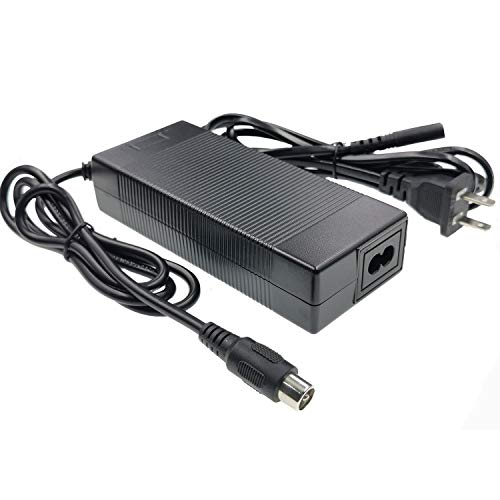
 VHBW 42V for Nakto Electric Bike Charger with RCA Plug Compatible with Nakto 36V Camel Fashion Elegance Pony Mini Cruiser eBike and Compatible with Glion Dolly Electric ScooterCheck price on AmazonWe may earn a commission
FAQ
Q: What is the maximum weight capacity of the Nakto Camel?
A: The Nakto Camel typically has a weight limit of around 250 lbs. For precise specifications, always consult the user manual or the manufacturer’s website.
Q: Can I add accessories like a rear rack or basket to the Nakto Camel?
A: Yes, the Nakto Camel often includes mounting points that allow for the addition of accessories such as rear racks, front baskets, or fenders, enhancing its practicality for errands.
Q: Is the battery removable for charging?
A: Yes, the battery is designed to be removable, making it convenient to take indoors for charging away from the bike.
Q: What is the top assisted speed of the Nakto Camel?
A: As a typical Class 2 e-bike, the Nakto Camel’s motor assist is limited to 20 mph. You can pedal faster than this speed, but the motor will not provide further assistance beyond 20 mph.

Ryan Williams has spent over 8 years testing, repairing, and writing about electric bikes. He has personally ridden and reviewed 150+ e-bike models from brands like Lectric, Aventon, Rad Power, Super73, and dozens more.
Before founding EBIKE Delight, Ryan worked as a bicycle mechanic for 5 years at independent bike shops across California, where he specialized in e-bike conversions and electrical system diagnostics. He holds a Certificate in Electric Vehicle Technology from the Light Electric Vehicle Association (LEVA).
Ryan’s work has been cited by Electric Bike Report, Electrek, and BikeRumor. When he is not testing the latest e-bike on California backroads, he is in his workshop tearing down batteries and controllers to understand what makes them tick — and what makes them fail.
Areas of Expertise
E-bike performance testing and real-world range verificationBattery diagnostics, charging best practices, and safetyBrand comparisons: Lectric, Aventon, Rad Power, Super73, and moreError code troubleshooting across major e-bike systemsE-bike laws, registration, and compliance by state
Ryan believes every rider deserves honest, hands-on information — not marketing hype.