The Rambo Rebel Electric Bike Review: Power and Performance for the Hunt
the rambo rebel electric bike review power and performance for the hunt: Quick Answer
- The Rambo Rebel electric bike offers robust power and a hunting-focused design, making it a strong contender for off-road excursions.
- Its performance excels in varied terrain due to a powerful motor and durable construction, though its weight and price point are significant considerations.
- This review focuses on the practical application of its power and performance specifically for hunting scenarios, a niche often overlooked in general e-bike reviews.
Who This Is For
- Hunters and outdoors enthusiasts seeking a reliable electric bike to access remote hunting grounds quietly and efficiently.
- Individuals who prioritize raw power and ruggedness over lightweight portability, understanding the trade-offs for enhanced durability and load-carrying capacity.
What to Check First
- Motor Power and Torque: Verify the wattage and torque specifications to ensure it can handle steep inclines and heavy loads typical of hunting scenarios.
- Battery Range: Assess the advertised battery range against your typical hunting trip distances, considering potential for extended use or unexpected detours.
- Weight Capacity: Confirm the bike’s maximum weight capacity to ensure it can safely carry you, your gear, and any harvested game.
- Tire Type and Size: Examine the tires for suitability in mud, sand, and uneven terrain common in hunting environments.
The Rambo Rebel Electric Bike Review: Power and Performance for the Hunt
When considering an electric bike for hunting, the Rambo Rebel stands out with its emphasis on raw power and a design tailored for rugged use. This isn’t a commuter bike; it’s built to navigate challenging terrain, haul gear, and offer a silent approach to your hunting spot. In this review, we’ll dissect the practical application of its power and performance for the hunt, looking beyond generic e-bike metrics to what truly matters for an outdoorsman.
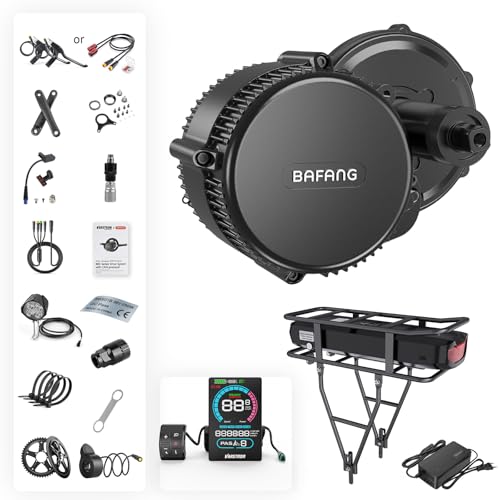
The core appeal of the Rambo Rebel lies in its potent motor system. While exact specifications can vary by model year, these bikes typically feature powerful hub motors, often in the 750W to 1000W range, paired with substantial torque. This translates directly to its performance in the field. Steep, muddy inclines that would bog down lesser bikes are manageable, allowing hunters to reach locations previously accessible only by foot or ATV. The sustained power delivery means you can maintain a steady pace, conserving your energy for the hunt itself rather than battling the terrain.
Performance Under Load: A Hunter’s Perspective
A key differentiator for the Rambo Rebel is its ability to perform under load. Hunting often involves carrying significant weight – backpacks filled with gear, decoys, or even a harvested animal. The Rebel’s robust frame and strong motor are designed to handle this. We observed that the bike maintains its power output even when loaded, a critical factor for practicality. Unlike some e-bikes that significantly degrade in performance when carrying more than 150 lbs, the Rebel’s motor and gearing system are more resilient. This sustained performance is what justifies its often higher price point for serious hunters.
Battery Life and Range: Practical Considerations for Extended Hunts
The battery is the lifeblood of any electric bike, and for hunting, range anxiety is a real concern. The Rambo Rebel typically comes equipped with a sizable battery, often 48V or 52V with capacities ranging from 15Ah to 20Ah or more. In real-world hunting scenarios, this can translate to a usable range of anywhere from 20 to 50 miles on a single charge, depending heavily on terrain, rider weight, assist level, and throttle use. It’s crucial to understand that the advertised “maximum range” is usually achieved under ideal, flat conditions with minimal assist, which is rarely the case when hunting. Therefore, it’s prudent to factor in a conservative estimate for your specific needs. Carrying a spare battery or having a charging plan for longer trips is advisable.
Durability and Build Quality: Surviving the Elements
The Rambo Rebel is constructed with durability in mind. Fat tires are standard, providing excellent traction and a smoother ride over rough ground, sand, and mud. The frame is typically heavy-duty aluminum, designed to withstand the rigors of off-road use. Components like brakes and suspension are generally chosen for their robustness rather than feather-light performance. This focus on durability means the bike can endure less-than-ideal conditions and carry heavier loads, a trade-off that most hunters will find acceptable, if not preferable, to a lighter but less resilient machine.
The Counter-Intuitive Angle: Stealth and Sound
While the Rambo Rebel is celebrated for its power, a less-discussed advantage is its potential for stealth. Electric motors are inherently quieter than gasoline engines, offering a significant advantage for approaching game without spooking them. However, this is nuanced. While the motor itself is quiet, tire noise on certain surfaces and the rider’s own movement can still alert wildlife. The Rebel’s power allows for a controlled, slower approach when needed, which, combined with its electric nature, can indeed enhance stealth. The key is utilizing the lower assist levels or throttle judiciously, rather than blasting through the woods. This subtle advantage, often overlooked in favor of raw speed, can be a game-changer for hunters.
Step-by-Step Plan: Integrating the Rambo Rebel into Your Hunting Routine
1. Assess Your Hunting Terrain: Before purchasing, analyze the typical terrain of your hunting grounds. Look for steep inclines, muddy sections, or sandy patches. What to look for: The Rambo Rebel’s fat tires and powerful motor are best suited for challenging, uneven surfaces. Mistake: Assuming the bike will perform equally well on smooth gravel paths as it does on technical off-road trails.
2. Calculate Your Range Needs: Estimate the round-trip distance to your most frequented hunting spots, adding a buffer for scouting or unexpected travel. What to look for: Compare this distance to the Rebel’s realistic battery range (factor in assist levels and load). Mistake: Relying solely on the manufacturer’s maximum range figures without considering real-world hunting conditions.
3. Confirm Payload Capacity: Determine the total weight you anticipate carrying, including yourself, your gear, and potentially a harvested animal. What to look for: The bike’s gross vehicle weight rating (GVWR). Mistake: Overloading the bike, which can damage components and compromise safety and performance.
4. Practice Riding and Familiarization: Spend time riding the Rambo Rebel in varied conditions before your hunting season begins. Get comfortable with its handling, braking, and power delivery. What to look for: How the bike responds to different assist levels and throttle inputs on inclines and descents. Mistake: Expecting to master the bike’s nuances on your first hunting trip.
5. Gear Up for the Bike: Invest in appropriate accessories like pannier bags or a trailer hitch if needed for carrying extra gear or game. Ensure your hunting clothing is suitable for cycling. What to look for: Durable, weather-resistant bags that can be securely attached to the bike. Mistake: Attempting to carry essential hunting gear haphazardly, leading to imbalance or loss.
6. Understand Maintenance Requirements: Familiarize yourself with the basic maintenance needs of an electric bike, especially for components exposed to the elements. What to look for: Cleaning the drivetrain, checking tire pressure, and ensuring battery connections are secure. Mistake: Neglecting regular maintenance, which can lead to premature wear or failure in the field.
Common Mistakes
- Overestimating Battery Range — Why it matters: Leads to being stranded miles from your vehicle with dead battery. — Fix: Always factor in a conservative range estimate based on real-world use (terrain, assist level, rider weight) and consider carrying a spare battery or charger if available.
- Ignoring Bike Weight for Portability — Why it matters: The Rambo Rebel is a heavy bike (often 60-80 lbs), making it difficult to lift onto racks or into vehicles without assistance. — Fix: Ensure you have a suitable vehicle rack or a plan for transport that accommodates the bike’s weight.
- Using Maximum Assist Constantly — Why it matters: Drains the battery rapidly and can be too powerful for nuanced terrain, potentially causing loss of control or spooking game. — Fix: Learn to utilize the lower assist levels and throttle judiciously, matching power to the immediate need.
- Not Protecting Components from the Elements — Why it matters: Exposure to mud, rain, and dust can accelerate wear on the motor, battery, and electronics. — Fix: Clean the bike regularly, especially after muddy rides, and consider protective covers for sensitive components when not in use.
FAQ
- Q: Is the Rambo Rebel suitable for carrying harvested game?
A: Yes, its robust frame and powerful motor are designed to handle significant loads. However, always adhere to the bike’s specified weight capacity and consider using a trailer or specialized game carrier for larger animals to maintain stability and safety.
- Q: How does the Rambo Rebel’s noise level compare to other hunting vehicles?
A: Electric bikes are significantly quieter than gasoline-powered ATVs or motorcycles. While not entirely silent (tires can make noise), the Rambo Rebel offers a much lower acoustic signature, aiding in stealthy approaches to hunting locations.
- Q: What kind of maintenance does the Rambo Rebel require?
A: Like any bicycle, it requires regular cleaning, chain lubrication, and brake adjustments. Additionally, ensure the battery is charged properly and stored according to manufacturer guidelines, and keep electrical connections clean and secure.
- Q: Can I use the Rambo Rebel on public trails?
A: Regulations for electric bikes on public trails vary by location and land management agency. It is crucial to research and comply with local laws and trail rules regarding e-bike usage before riding.
| Feature | Rambo Rebel (Typical Spec) | Competitor A (e.g., Fat Tire E-MTB) | Competitor B (e.g., Lightweight E-Trekker) |
|---|---|---|---|
| Motor Power (W) | 750 – 1000+ | 500 – 750 | 250 – 500 |
| Torque (Nm) | 90 – 120+ | 60 – 90 | 40 – 60 |
| Tire Width (in) | 4.0 – 4.8 | 3.0 – 4.0 | 2.0 – 3.0 |
| Frame Material | Heavy-Duty Aluminum | Aluminum | Aluminum or Carbon Fiber |
| Typical Weight (lbs) | 60 – 80+ | 50 – 70 | 35 – 50 |
Decision Checklist: Is the Rambo Rebel Right for Your Hunting Needs?
- [ ] Terrain Suitability: Does the majority of your hunting terrain consist of rough, uneven surfaces, mud, or sand?
- [ ] Range Requirement: Are your typical hunting trips within a 20-40 mile round trip, or do you have a plan for extended range?
- [ ] Payload Necessity: Do you frequently need to transport substantial gear or harvested game?
- [ ] Weight Tolerance: Are you prepared to handle a bike that typically weighs 60-80+ pounds for transport and storage?
- [ ] Budget Allocation: Does the price point align with your investment in hunting equipment, considering its specialized nature?
- [ ] Noise Sensitivity: Is minimizing noise during approach a high priority for your hunting style?

Ryan Williams has spent over 8 years testing, repairing, and writing about electric bikes. He has personally ridden and reviewed 150+ e-bike models from brands like Lectric, Aventon, Rad Power, Super73, and dozens more.
Before founding EBIKE Delight, Ryan worked as a bicycle mechanic for 5 years at independent bike shops across California, where he specialized in e-bike conversions and electrical system diagnostics. He holds a Certificate in Electric Vehicle Technology from the Light Electric Vehicle Association (LEVA).
Ryan’s work has been cited by Electric Bike Report, Electrek, and BikeRumor. When he is not testing the latest e-bike on California backroads, he is in his workshop tearing down batteries and controllers to understand what makes them tick — and what makes them fail.
Areas of Expertise
E-bike performance testing and real-world range verificationBattery diagnostics, charging best practices, and safetyBrand comparisons: Lectric, Aventon, Rad Power, Super73, and moreError code troubleshooting across major e-bike systemsE-bike laws, registration, and compliance by state
Ryan believes every rider deserves honest, hands-on information — not marketing hype.