Trek Bicycle Upper East Side: Your Local Shop
For residents navigating Manhattan’s Upper East Side, the quest for efficient, personal urban transit often leads to specialized retailers. Trek Bicycle Upper East Side positions itself as a key resource for acquiring and maintaining these vehicles, particularly e-bikes, which are rapidly reshaping city commutes. This guide adopts a pragmatic, contrarian lens, emphasizing strategic considerations that often go unaddressed in generic purchasing advice.
Understanding the Trek Bicycle Upper East Side Advantage
Trek Bicycle Upper East Side transcends its role as a mere retail outlet; it functions as a critical nexus within the urban mobility infrastructure. While the Trek brand encompasses a broad cycling spectrum, the Upper East Side location holds particular significance for its focus on personal electric vehicles (PEVs), such as e-bikes, which are becoming indispensable for the contemporary commuter. The counter-intuitive insight here is that the most valuable service provided is not solely the sale of a high-performance bicycle, but the facilitation of consistent, dependable daily transit through judicious PEV selection and ongoing support.
The core offerings at Trek Bicycle Upper East Side typically encompass:
- E-bikes: A diverse range of models engineered for urban environments, featuring integrated lighting, fenders, and cargo-carrying solutions. Battery capacities and motor types vary significantly, directly impacting operational range and hill-climbing capability.
- Essential Accessories: High-security locking mechanisms, DOT-approved helmets, visibility lights, and basic repair kits are paramount for safe and secure urban operation.
- Specialized Service and Maintenance: E-bike systems, particularly their lithium-ion batteries and integrated electronics, necessitate expert attention that general repair facilities may not adequately provide.
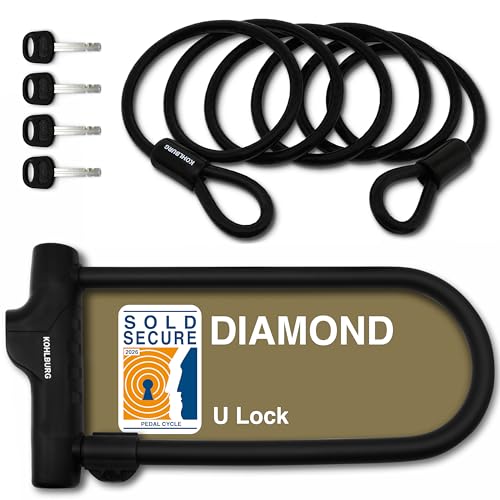 KOHLBURG U-Lock with Highest Security Sold Secure Diamond Certified - Large 13.5" x 6.7" Heavy Duty Anti Theft Bike u Lock with 67” Steel Cable, 4 Keys, Bracket - ulock for ebike Bicycle & ScooterCheck price on AmazonWe may earn a commission
Strategic E-bike Selection at Trek Bicycle Upper East Side
Making an informed choice at Trek Bicycle Upper East Side demands a departure from superficial feature assessment.
Tip 1: Quantify Your “Worst-Case” Commute Range
Actionable Step: Meticulously map your longest plausible daily commute route, incorporating any necessary detours or potential errands. Augment this distance by 20-30% to account for battery degradation, headwinds, and unanticipated usage scenarios.
Common Mistake to Avoid: Relying exclusively on the manufacturer’s stated maximum range. This figure is typically achieved under idealized conditions (flat terrain, negligible wind, minimal rider input). For practical urban application, a realistic “worst-case” scenario dictates the minimum battery capacity you should consider.
Tip 2: Evaluate Battery Health Metrics, Not Just Capacity
Actionable Step: Inquire about the specific lithium-ion battery chemistry (e.g., NMC, LFP) and its projected cycle life. Thoroughly understand the warranty provisions specifically for the battery, as it represents the most significant component cost.
Common Mistake to Avoid: Assuming all batteries exhibit similar longevity or degradation patterns. Higher-quality cells and robust battery management systems (BMS) can substantially extend a battery’s service life, impacting the total cost of ownership. Verify the warranty duration for the battery independently of the bicycle frame.
Tip 3: Integrate Security as a Functional Component, Not an Afterthought
Actionable Step: Allocate budget from the outset for a top-tier, urban-rated lock (e.g., ART-rated or Sold Secure Gold). Strategize your parking arrangements at destinations prior to finalizing the bicycle purchase.
Common Mistake to Avoid: Underestimating the pervasive risk of theft in densely populated urban areas. An inadequate lock or an insecure parking location can render even the most advanced e-bike non-functional, transforming a valuable asset into a loss. Consider investing in a lock that approximates 10-15% of the bicycle’s value.
Common Myths Debunked for E-bike Owners
Dispelling prevalent myths is crucial for a pragmatic approach to e-bike ownership.
Myth 1: E-bikes are merely motorized bicycles that circumvent the exercise benefit.
Correction: This notion stems from a fundamental misunderstanding of e-bike technology and its application. E-bikes provide pedal-assist, meaning the motor engages only when the rider is pedaling. This functionality allows riders to modulate their exertion, enabling them to conquer inclines, headwinds, or extended distances with reduced strain. Consequently, many individuals find they can cycle more frequently and for longer durations than on a traditional bicycle, thereby increasing their overall physical activity and making cycling a viable, consistent mode of transportation. The focus is on accessibility and consistency, not the elimination of physical effort.
Myth 2: E-bike batteries are interchangeable commodities, easily replaceable by third-party providers.
Correction: E-bike batteries are highly integrated systems, often proprietary to the manufacturer and specific bike model. They incorporate sophisticated battery management systems (BMS) that communicate with the motor and display unit. While third-party repair or refurbishment services exist, they demand specialized expertise. Direct replacement with an off-brand battery can invalidate warranties, compromise safety, and lead to performance deficiencies due to incompatible electronics.
Trek Bicycle Upper East Side: A Strategic Comparison
When evaluating personal urban mobility solutions, comprehending the distinct advantages offered by a specialized retailer like Trek Bicycle Upper East Side is paramount.
| Consideration | Trek Bicycle Upper East Side | Online Direct-to-Consumer (DTC) E-bikes | Shared Micromobility Services (e.g., Revel, Citi Bike) |
|---|---|---|---|
| Expert Guidance | In-person bike fitting, personalized component selection, comprehensive maintenance education. | Product specifications only; assembly frequently requires user proficiency. | Basic operational instructions; no personalization options. |
| Immediate Utility | Purchase, professional assembly, and immediate deployment; on-site service for initial adjustments. | Shipping delays, potential for complex assembly, user-dependent troubleshooting. | On-demand availability; no long-term ownership commitment. |
| Long-Term Support | Access to certified mechanics, genuine replacement parts, and manufacturer warranty service. | User bears responsibility for locating local repair services; parts availability can be problematic. | Maintenance is managed by the provider; no user responsibility. |
| Total Cost of Ownership | Higher initial outlay, but predictable maintenance costs and potentially extended component lifespan. | Variable; may incur additional costs for assembly, tools, and out-of-warranty repairs. | Predictable per-ride or subscription fees; can become cost-prohibitive for frequent usage. |
| Security & Theft | Direct counsel on security strategies and lock recommendations. | Generic advice; user must independently source and implement security solutions. | No ownership risk; vehicles are centrally managed and secured. |
BLOCKQUOTE_0
Decision Framework for Your Purchase
To make the most effective decision at Trek Bicycle Upper East Side, consider these core parameters:
- Daily Mileage & Topography: Accurately assess the longest distance you will cover daily and the typical elevation changes encountered. This directly informs the necessary motor torque and battery capacity.
- Secure Storage Availability: Evaluate the security of your primary storage locations (residence, workplace). The absence of secure parking represents a critical risk factor for PEV ownership.
- Budgetary Allocation: Factor in not only the bicycle’s price but also essential safety and security accessories, and an initial professional service appointment.
- Primary Use Case: Differentiate clearly between commuting requirements (reliability, cargo capacity) and recreational objectives (performance, handling characteristics).
Frequently Asked Questions
Q1: What specific e-bike classes are legal for use on NYC streets and bike lanes when purchasing from Trek Bicycle Upper East Side?
A1: Generally, Class 1 (pedal-assist up to 20 mph) and Class 2 (throttle-assisted up to 20 mph) e-bikes are permitted on bike lanes and streets. Class 3 e-bikes (pedal-assist up to 28 mph) are also allowed but have specific restrictions. It is imperative to verify the latest New York City Department of Transportation (DOT) regulations for precise details, as these can evolve. Helmet use is strongly recommended for all riders and legally mandated for individuals under 17.
Q2: What is the typical service interval for an e-bike purchased from Trek Bicycle Upper East Side, and what should it include?
A2: An annual professional service, or approximately every 1,000 to 2,000 miles, is a standard recommendation. This comprehensive check should include brakes, drivetrain, tire condition, and a thorough inspection of the electrical system, including battery health and connections. More frequent checks may be warranted if the e-bike is used extensively in adverse weather conditions or for demanding commuting.
Q3: Considering the upfront cost, is owning an e-bike from Trek Bicycle Upper East Side financially viable compared to frequent use of shared mobility services in NYC?
A3: For consistent, daily commutes exceeding moderate distances, owning an e-bike from Trek Bicycle Upper East Side typically proves more cost-effective over the long term. While the initial investment is substantial, it eliminates recurring subscription fees and offers superior convenience, reliability, and personalization. Shared services are generally more economical for sporadic, short-distance travel.

Ryan Williams has spent over 8 years testing, repairing, and writing about electric bikes. He has personally ridden and reviewed 150+ e-bike models from brands like Lectric, Aventon, Rad Power, Super73, and dozens more.
Before founding EBIKE Delight, Ryan worked as a bicycle mechanic for 5 years at independent bike shops across California, where he specialized in e-bike conversions and electrical system diagnostics. He holds a Certificate in Electric Vehicle Technology from the Light Electric Vehicle Association (LEVA).
Ryan’s work has been cited by Electric Bike Report, Electrek, and BikeRumor. When he is not testing the latest e-bike on California backroads, he is in his workshop tearing down batteries and controllers to understand what makes them tick — and what makes them fail.
Areas of Expertise
E-bike performance testing and real-world range verificationBattery diagnostics, charging best practices, and safetyBrand comparisons: Lectric, Aventon, Rad Power, Super73, and moreError code troubleshooting across major e-bike systemsE-bike laws, registration, and compliance by state
Ryan believes every rider deserves honest, hands-on information — not marketing hype.