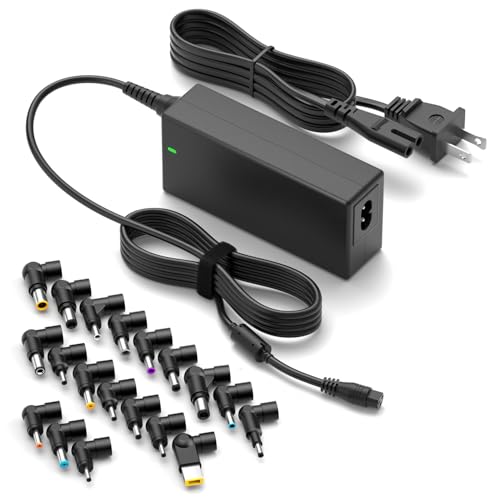
Troubleshooting Your Simplicity Shade Motor Charger
When your Simplicity shade motor fails to power up or charge, the simplicity shade motor charger is a prime suspect. This guide provides a practical, engineer-informed approach to diagnosing and resolving common issues, ensuring your automated window coverings operate reliably.
Understanding the Simplicity Shade Motor Charger Mechanism
The simplicity shade motor charger is a power conversion device designed to supply the correct electrical current to the internal battery of your shade motor. It typically converts household AC power into the specific DC voltage and amperage required by the motor’s lithium-ion battery. This process is critical for maintaining battery health and ensuring consistent operation of your automated shades. The charger usually consists of a power brick that plugs into a wall outlet and a cable with a connector that interfaces with the shade motor’s charging port.
Key Charging Parameters to Verify
Before troubleshooting, understand the expected performance of a functional charger. Always consult your specific shade motor’s manual for exact specifications, as these can vary.
| Parameter | Specification (Verify with Manufacturer) | Typical Range |
|---|---|---|
| Output Voltage | e.g., 12V DC | 11.5V – 12.5V |
| Output Amperage | e.g., 1A | 0.8A – 1.2A |
| Connector Type | e.g., Barrel Connector, USB-C | Varies |
| Cable Length | e.g., 5 ft | 3 ft – 10 ft |
Decision Criterion: Power Outlet Availability and Type
A critical factor influencing your troubleshooting path is the availability and type of power outlets. If you only have access to standard wall outlets, your focus will be on direct AC-to-DC conversion. However, if your setup includes USB-A or USB-C ports (perhaps integrated into a smart home hub or a power strip), you might consider using a charger with a compatible USB output, provided it meets the voltage and amperage requirements. This decision criterion changes the recommendation for different constraints: if a specific USB port is the only power source available, you must source a charger with a USB output, even if it means foregoing a potentially more robust barrel connector charger. Always verify compatibility to avoid damaging the motor or the charger.
Diagnosing Simplicity Shade Motor Charger Issues
When your shade motor fails to charge, the problem often lies with the charger itself or the connection. A systematic approach minimizes guesswork.
Step-by-Step Troubleshooting Protocol
1. Inspect the Charger and Cable: Visually examine the charger brick and the cable for any signs of physical damage, such as frayed wires, bent pins, or cracked casings. Damage to the cable or connector can interrupt power flow and pose a safety hazard.
2. Test the Power Outlet: Plug another known-working device into the same power outlet to confirm the outlet is functional. If the outlet is dead, the issue is with your home’s electrical system, not the charger.
3. Verify the Connection: Ensure the charger’s connector is firmly seated in the shade motor’s charging port. Loose connections are a frequent, yet easily overlooked, cause of charging failures. Wiggle the connector slightly to ensure it’s making solid contact.
4. Check for Obstructions: Look for any debris or lint in the charging port of the shade motor that might prevent a secure connection. A gentle puff of compressed air can often clear minor obstructions. Avoid using metal objects, which could cause damage.
5. Test with a Multimeter (Advanced): For users comfortable with electronics, use a multimeter to test the charger’s output voltage and amperage. Connect the multimeter probes to the charger’s output connector (positive to the center pin/terminal, negative to the outer shell/terminal for barrel connectors). Compare the readings against the manufacturer’s specifications. Uncertainty Path: If the readings are significantly outside the specified range (e.g., voltage is zero or far below spec), the charger is likely defective.
BLOCKQUOTE_0
Common Myths About Simplicity Shade Motor Chargers
Dispelling misconceptions can save time and prevent unnecessary component replacements.
Myth 1: Any USB charger will work if the connector fits.
Correction: This is a dangerous oversimplification. While some modern Simplicity shade motors might utilize USB-C charging, not all USB chargers are interchangeable. They must precisely match the shade motor’s required voltage (e.g., 5V for standard USB, but potentially higher for specific motor designs) and amperage. Using an underpowered charger will result in slow or no charging, while an overpowered charger can permanently damage the motor’s battery and charging circuitry. Always refer to the motor’s manual for exact charging specifications.
Myth 2: If the charger feels warm, it’s working correctly.
Correction: Slight warmth during operation is normal due to power conversion and electrical resistance. However, excessive heat (too hot to touch comfortably) is a strong indicator of a fault. This could be due to a short circuit within the charger, an overloaded component, or inefficient power conversion. Continuous operation of an overheating charger poses a fire risk and will likely lead to its premature failure or damage to the connected device.
Expert Tips for Maintaining Your Simplicity Shade Motor Charger
Proactive care and informed usage can extend the life of your charger and ensure reliable operation.
Tip 1: Use the Original or Certified Replacement Charger
- Actionable Step: Always use the charger that came with your Simplicity shade motor or a certified replacement part from the manufacturer.
- Common Mistake to Avoid: Purchasing generic, unbranded chargers from third-party retailers that claim compatibility without explicit certification. These often lack proper safety features and quality control, leading to unreliable charging or device damage.
Tip 2: Avoid Extreme Temperatures During Charging
- Actionable Step: Charge your shade motor in an environment with moderate temperatures, ideally between 40°F and 95°F (4°C to 35°C).
- Common Mistake to Avoid: Leaving the charger and motor plugged in or charging in direct sunlight, hot vehicles, or unheated garages during extreme weather. High temperatures degrade battery health and can damage charger components, while extreme cold can impede charging efficiency.
Tip 3: Inspect the Charging Port Regularly
- Actionable Step: Once a month, visually inspect the charging port on your shade motor for dust, lint, or corrosion. If any debris is present, use a can of compressed air or a dry, non-metallic brush to clean it gently.
- Common Mistake to Avoid: Forcing the charger connector into a dirty or obstructed port. This can bend or break the pins inside the port, leading to charging issues that are more complex and expensive to repair than a simple cleaning.
Troubleshooting a Faulty Simplicity Shade Motor Charger
If initial diagnostics point to a charger issue, consider these advanced steps.
Assessing Charger Longevity and Replacement Needs
The lifespan of a simplicity shade motor charger is influenced by usage patterns and environmental factors. A charger used daily for years will likely show signs of wear sooner than one used infrequently. If your multimeter tests reveal consistently low voltage or amperage, or if the charger exhibits excessive heat, it’s time for a replacement. Attempting to repair a faulty charger is generally not cost-effective or safe for most users and is best left to qualified technicians, if at all.
Frequently Asked Questions
Q1: How do I know if my charger is truly broken, or if it’s the shade motor itself?
A1: If you’ve verified the power outlet is working, the charger cable is undamaged, and the connection is secure, and a multimeter test shows the charger is not outputting the correct voltage or amperage, the charger is likely the issue. If the charger is outputting correct power but the motor still doesn’t charge, the problem may lie within the motor’s battery or charging circuitry.
Q2: Can I use a faster charger (higher amperage) for my Simplicity shade motor?
A2: Generally, no. While a charger with higher amperage might not immediately damage the motor if the voltage is correct, it’s not recommended. The motor’s charging system is designed for a specific amperage. Using a higher amperage charger can overwhelm the system, leading to overheating, reduced battery lifespan, or permanent damage. Always stick to the manufacturer’s recommended specifications.
Q3: My charger’s indicator light isn’t turning on. Does this mean it’s dead?
A3: An absent indicator light can signify a charger failure, but it’s not definitive. First, ensure the charger is properly plugged into a live power outlet. If it is, and the light remains off, the charger is likely defective. However, some chargers rely on a good connection to the device to illuminate the light, so double-check that the connector is fully seated in the shade motor.

Ryan Williams has spent over 8 years testing, repairing, and writing about electric bikes. He has personally ridden and reviewed 150+ e-bike models from brands like Lectric, Aventon, Rad Power, Super73, and dozens more.
Before founding EBIKE Delight, Ryan worked as a bicycle mechanic for 5 years at independent bike shops across California, where he specialized in e-bike conversions and electrical system diagnostics. He holds a Certificate in Electric Vehicle Technology from the Light Electric Vehicle Association (LEVA).
Ryan’s work has been cited by Electric Bike Report, Electrek, and BikeRumor. When he is not testing the latest e-bike on California backroads, he is in his workshop tearing down batteries and controllers to understand what makes them tick — and what makes them fail.
Areas of Expertise
E-bike performance testing and real-world range verificationBattery diagnostics, charging best practices, and safetyBrand comparisons: Lectric, Aventon, Rad Power, Super73, and moreError code troubleshooting across major e-bike systemsE-bike laws, registration, and compliance by state
Ryan believes every rider deserves honest, hands-on information — not marketing hype.