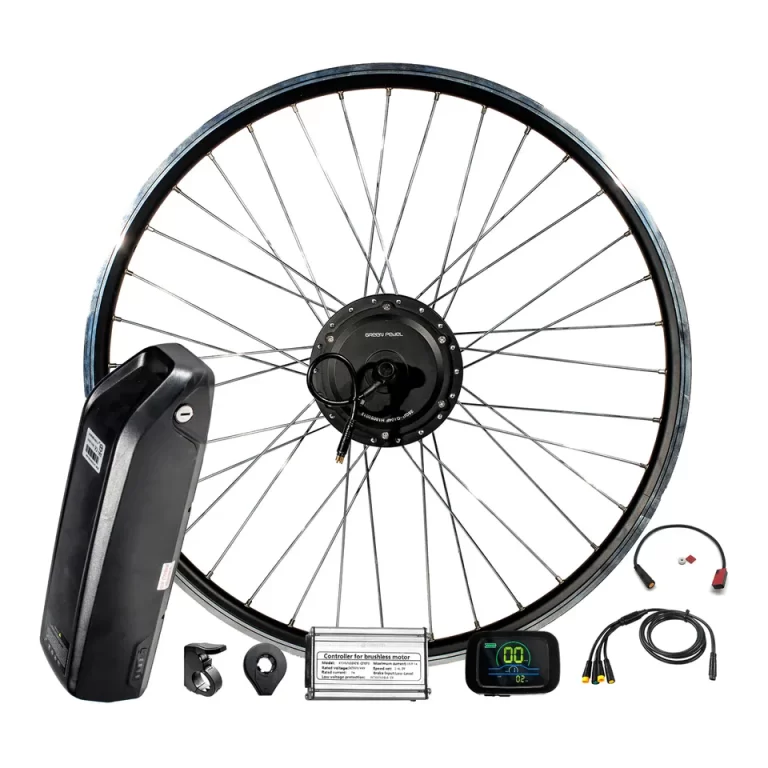
Understanding Whether Electric Bikes Come Assembled
If you are comparing options here, Schuck E-Bike Thumb Throttle 130X,Waterproof Accelerator,22.2mm/0.87in Handlebars,Left/Right Universal Bicycle Conversion Replacement Parts is a relevant choice worth checking Check price understanding the 20 mph limit for electric bikes
If you are comparing options here, Schuck E-Bike Thumb Throttle 130X,Waterproof Accelerator,22.2mm/0.87in Handlebars,Left/Right Universal Bicycle Conversion Replacement Parts is a relevant choice worth checking Check price understanding the 20 mph limit for electric bikes
understanding whether electric bikes come assembled: Quick Answer
If you are comparing options here, Igo Electric Bikes 005-030 Zoom Stem – 45mm is a relevant choice worth checking Check price igo electric bike reviews what owners are saying
- Most electric bikes arrive partially assembled, requiring final setup by the owner.
- The extent of assembly varies significantly based on manufacturer, model, and shipping method.
- Expect to install components like handlebars, pedals, the front wheel, and seatpost.
Who This Is For
- Prospective e-bike buyers wanting to understand post-delivery effort.
- New e-bike owners preparing for assembly upon arrival.
What to Check First
- Product Specifications: Review the manufacturer’s website or retailer listing for explicit “assembly required” notes.
- User Manual: Locate and skim the assembly section of the e-bike’s manual to gauge complexity.
- Shipping Method: Bikes shipped via standard parcel carriers are typically less assembled than those sent via freight.
- Unboxing Videos: Search online for videos of your specific e-bike model to see its typical delivered state.
- Included Tools: Note if specialized tools are required beyond what’s provided in the box.
Understanding Whether Electric Bikes Come Assembled: The Reality of Delivery
The question of whether electric bikes arrive fully assembled is a frequent point of inquiry for consumers. The reality is that most e-bikes are shipped in a state of partial assembly. This approach is a pragmatic balance between protecting the bike during transit and facilitating a manageable setup process for the end-user. Packaging constraints for standard shipping services often necessitate disassembling certain components to fit them into more compact boxes, thereby reducing shipping costs and the risk of damage. Consequently, a degree of user involvement is almost always required to make the e-bike rideable.
The Scope of E-Bike Assembly
The level of assembly needed for an electric bike can range from simple adjustments to more involved installations. While some premium models, especially those purchased through local dealerships, might arrive nearly complete, the majority of direct-to-consumer e-bikes require some hands-on work. This typically involves attaching parts that are either easily damaged or take up excessive space in packaging.
Common components requiring installation or adjustment include:
- Handlebars: Usually need to be attached to the stem and aligned.
- Pedals: Must be screwed into the crank arms.
- Front Wheel: Often needs to be inserted into the fork dropouts and secured.
- Seatpost and Saddle: Require insertion into the frame and adjustment to the rider’s height.
- Minor Adjustments: Brakes and gears may need fine-tuning, though they are often pre-adjusted.
- Battery: Typically involves sliding the battery into its designated mount.
How Shipping Method Dictates Assembly Needs
A critical factor in understanding whether electric bikes come assembled is the method of shipping. This is a primary decision criterion because it directly impacts the user’s initial experience and the effort required to get the bike operational.
- Standard Parcel Shipping (e.g., UPS, FedEx): E-bikes sent via these carriers are almost universally partially disassembled. This is done to fit within standard box dimensions and reduce shipping fees. Expect to install handlebars, pedals, the front wheel, seatpost, and potentially other accessories. This method prioritizes cost efficiency but demands more user assembly.
- Decision Criterion: If minimizing assembly time and complexity is your highest priority, and you have limited mechanical experience, actively seek out e-bikes shipped via freight or purchase from a local bike shop that offers pre-assembly services. This constraint directly changes the recommendation for where to purchase.
- Freight Shipping (LTL – Less Than Truckload): E-bikes shipped via freight are often crated and arrive significantly more assembled. The assembly required might be limited to minor adjustments or attaching accessories. This is more common for higher-priced models or when a dealer handles the final preparation.
- Advantage: Substantially reduced assembly time and a lower risk of user error during setup.
- Disadvantage: Potentially higher shipping costs associated with freight.
Step-by-Step Plan for E-Bike Assembly
Approaching the assembly of your new electric bike with a structured plan ensures all steps are completed correctly and safely. This systematic approach, detailed in guides like “The Bicycling Guide to Making Better Bikes” by Fred T. Newcomb, emphasizes precision and attention to detail.
1. Unpack and Inventory:
- Action: Carefully open all boxes and lay out every component and hardware pack.
- What to look for: Verify that all items listed in the manual’s parts list are present. Cross-reference quantities.
- Mistake: Disposing of packaging materials before confirming all parts are accounted for, which can lead to significant delays if something is missing.
2. Review Manual and Gather Tools:
- Action: Thoroughly read the assembly section of your e-bike’s user manual. Collect the necessary tools; many bikes include a basic set, but a torque wrench is highly recommended for critical components.
- What to look for: Specific instructions for each installation step and the manufacturer’s recommended torque values for bolts.
- Mistake: Attempting assembly without consulting the manual, leading to potential incorrect installations or component damage.
3. Install Handlebars:
- Action: Loosen the stem’s faceplate bolts, position the handlebars centrally, and re-tighten the bolts evenly in a crossing pattern.
- What to look for: Handlebars centered and securely fastened without play. Brake levers and shifters should be oriented ergonomically.
- Mistake: Unevenly tightening stem bolts, which can stress the handlebars or stem, or overtightening/undertightening, compromising steering integrity.
4. Attach Pedals:
- Action: Identify the left (L) and right (R) pedals. Thread them into the respective crank arms – the right pedal tightens clockwise, and the left pedal tightens counter-clockwise.
- What to look for: Pedals threading smoothly by hand. Ensure they are fully seated before using a wrench to tighten.
- Mistake: Cross-threading pedals by forcing them, which can damage the crank arm threads, making pedal removal or reinstallation impossible.
5. Mount the Front Wheel:
- Action: Insert the front wheel into the fork dropouts, ensuring it is fully seated. Secure it using the quick-release skewer or axle nuts.
- What to look for: The wheel sitting flush in the dropouts and secured tightly. The brake rotor should align correctly with the brake caliper.
- Mistake: Not fully seating the wheel, leading to brake misalignment, uneven braking, or the wheel potentially coming loose.
6. Install Seatpost and Saddle:
- Action: Insert the seatpost into the frame’s seat tube to the appropriate height, ensuring it’s above the minimum insertion line. Secure with the seatpost clamp.
- What to look for: Seatpost inserted to a safe depth, indicated by a marked line. Saddle should be level and oriented straight.
- Mistake: Inserting the seatpost too low, limiting upward adjustment, or too high, exceeding the maximum insertion limit and risking frame damage.
7. Connect Battery and Initial Power-Up:
- Action: Slide the e-bike battery into its mount until it clicks securely. Turn on the e-bike system using the power button.
- What to look for: The battery is fully engaged and locked. The display unit powers on and indicates a charge level.
- Mistake: Not ensuring the battery is fully seated, which can prevent power delivery or cause it to dislodge during riding.
8. Test Brakes and Gears:
- Action: Spin each wheel and test the brakes by applying them firmly. Shift through all gears while pedaling gently.
- What to look for: Brakes engage effectively without rubbing. Gears shift smoothly between all sprockets without skipping or hesitation.
- Mistake: Neglecting critical safety checks of the braking and shifting systems post-assembly.
Common Mistakes in E-Bike Assembly
| Mistake | Why It Matters | Fix |
|---|---|---|
| Overtightening or undertightening bolts | Can strip threads, damage components, or lead to parts loosening during rides. | Use a torque wrench set to manufacturer specifications for critical components like stem, handlebars, and seatpost. |
| Cross-threading pedals | Damages crank arm threads, making future pedal removal or installation impossible. | Thread pedals by hand first to ensure they engage correctly. Remember: Right pedal tightens clockwise, Left pedal counter-clockwise. |
| Not fully seating the front wheel | Can cause brake misalignment, uneven braking, or the wheel to come loose. | Ensure the wheel axle is fully seated in the fork dropouts and the quick-release or nuts are securely tightened. |
| Discarding packaging before inventory check | If parts are missing, you may have to search through all packing materials. | Lay out all components and hardware, and verify against the parts list in the manual before discarding any packaging. |
| Skipping the brake and gear adjustment checks | Critical safety systems might not function correctly, leading to accidents. | After assembly, thoroughly test both brakes and shift through all gears to ensure proper function before riding. |
Expert Tips for E-Bike Assembly
- Tip 1: Prioritize Safety Checks: Always perform a thorough safety check of brakes and steering before your first ride.
- Action: After initial assembly, spin each wheel and test the brakes vigorously. Ensure the handlebars are straight and tight.
- Common Mistake: Rushing to ride without confirming these critical safety systems are functioning correctly.
- Tip 2: Utilize a Torque Wrench: For essential components like the stem, handlebars, and seatpost, using a torque wrench is crucial for proper tightening.
- Action: Consult your e-bike manual for specific torque values (e.g., 4-6 Nm for stem bolts) and set your torque wrench accordingly.
- Common Mistake: Relying on “feel” to tighten bolts, which can lead to either under-tightening (parts loosening) or over-tightening (stripping threads or cracking components).
- Tip 3: Document the Process: Take photos or short videos as you assemble the bike.
- Action: Capture images of each major step and any unique connections or adjustments.
- Common Mistake: Not having visual references if you need to disassemble or reassemble parts later, or if you encounter an issue and need to contact customer support.
BLOCKQUOTE_0
FAQ
Q1: How can I be sure if my electric bike will require assembly?
A1: Always check the product description on the retailer’s website or the manufacturer’s official product page. Look for phrases like “some assembly required” or “minimal assembly needed.”
Q2: What is the typical time commitment for assembling an e-bike?
A2: For most e-bikes that require partial assembly, expect to spend between 30 minutes and 2 hours. This can vary based on your mechanical experience and the specific model.
Q3: What if I’m uncomfortable performing the assembly myself?
A3: Many local bike shops offer assembly services for a fee. This is an excellent option if you lack the tools, confidence, or time, ensuring a professionally completed setup.
Q4: Are the tools needed for assembly usually included with the e-bike?
A4: Basic tools like Allen wrenches are often included. However, for critical tasks like proper bolt tightening, a torque wrench is highly recommended and usually not included. A tire pump is also essential.
Q5: What should I do if a part is missing or damaged upon arrival?
A5: Do not proceed with assembly. Contact the retailer or manufacturer immediately to report the issue and arrange for replacement parts. Document the damage with photos if possible.

Ryan Williams has spent over 8 years testing, repairing, and writing about electric bikes. He has personally ridden and reviewed 150+ e-bike models from brands like Lectric, Aventon, Rad Power, Super73, and dozens more.
Before founding EBIKE Delight, Ryan worked as a bicycle mechanic for 5 years at independent bike shops across California, where he specialized in e-bike conversions and electrical system diagnostics. He holds a Certificate in Electric Vehicle Technology from the Light Electric Vehicle Association (LEVA).
Ryan’s work has been cited by Electric Bike Report, Electrek, and BikeRumor. When he is not testing the latest e-bike on California backroads, he is in his workshop tearing down batteries and controllers to understand what makes them tick — and what makes them fail.
Areas of Expertise
E-bike performance testing and real-world range verificationBattery diagnostics, charging best practices, and safetyBrand comparisons: Lectric, Aventon, Rad Power, Super73, and moreError code troubleshooting across major e-bike systemsE-bike laws, registration, and compliance by state
Ryan believes every rider deserves honest, hands-on information — not marketing hype.