Environment And Travel for E-Bikes
E-Bikes, Scooters and Urban Travel: A Practical Explainer
Electric bikes and scooters have moved from novelty to everyday transport for short and medium urban trips, but the choices within micromobility are broader than most buyers expect. This explainer pulls together what the source material covers on e-bike classes, range, cargo capacity, load limits, and alternative options such as skateboards and four-wheel scooters. It focuses on the practical factors that determine whether a device actually suits your commute, and flags where figures are typical rather than guaranteed.
Start with the e-bike basics: classes and range
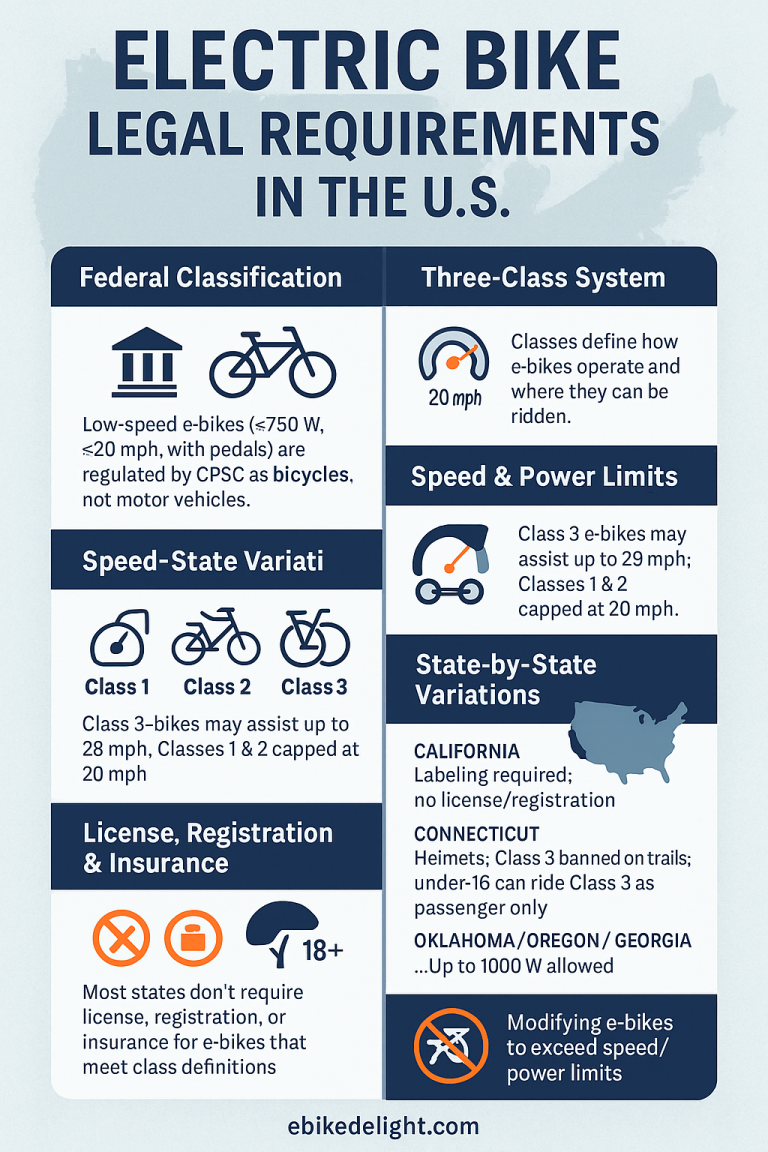
E-bikes add a motor to assist pedaling, which reduces rider effort and extends how far you can comfortably travel. The sources describe two main configurations: pedal-assist (Class 1 and Class 3) and throttle-controlled (Class 2). Class 3 e-bikes, with a top speed of 28 mph, often face stricter regulations — check your local rules before buying, since the sources do not detail them.
Range is typically quoted at 20–60 miles per charge. Treat that as a best case: real-world range depends heavily on rider weight, terrain, assist level, and battery condition. If your commute is near the top of a quoted range, plan for less.
Match the vehicle to the job
The sources compare common urban options on acquisition cost, running cost, distance, speed, and load capacity. Reported figures include:
- Personal electric scooter: roughly $300–$1,500 to buy; about $0.05–$0.10 per charge.
- Shared e-bike: roughly $800–$5,000+ to buy; about $0.10–$0.20 per charge.
- Public transit: fare-based, around $2.00–$5.00 per trip in the comparison given.
These are illustrative ranges from the sources, not current market quotes — verify prices and fares before budgeting. The broader point holds: purchase price alone is a poor guide; charging and maintenance costs change the picture over time.
Cargo and load limits matter more than color or styling
If you need to carry goods, cargo-oriented mopeds and scooters differ mainly in load rating and storage design. The sources give typical maximum loads of 200–300 lbs for a standard scooter, 350–500+ lbs for an integrated cargo moped, and 250–400 lbs for an accessory-mount setup with a top case or basket. Stability under load also varies with frame design, so test a loaded ride if possible.
For e-scooters, the key figure is the Gross Vehicle Weight Rating (GVWR) — the maximum combined weight of rider and cargo. Exceeding it degrades range, top speed, and hill-climbing ability, and adds safety risk. Maximum speed, range, and incline capability are interdependent: loading the scooter to its limit reduces all three.
Portable and specialized options: what to verify
Compact folding devices such as the Transporter Two are marketed for last-mile trips, with manufacturers often claiming up to 20 miles of range — again an ideal-condition figure. The Transporter 2 Auto, with a typical 36V, 10Ah lithium-ion battery, may need 4–5 hours for a full recharge from empty, which matters for daily commuting. The sources describe these models in general terms; confirm current specifications with the manufacturer.
Four-wheel scooters trade speed for stability through a wider wheelbase and lower center of gravity, suiting riders who are uneasy balancing on two wheels. Traditional skateboards remain cheapest and simplest but demand physical effort, limiting them to short distances; electric skateboards add power at the cost of weight and price.
Questions to ask before you buy
- What is the GVWR, and does it cover you plus regular cargo?
- What real-world range do owners report for your terrain and weight?
- How long is a full charge, and can you charge at work or home?
- Which class is the vehicle, and does it comply with local rules?
- For cargo use, is storage integrated or accessory-mounted, and how stable is it loaded?
Sources used
- /options-for-personal-vehicle-transportation/
- /analyzing-different-types-of-transport-movement/
- /comparing-mopeds-with-cargo-capacity/
- /understanding-vehicle-maximum-capacity-and-performance/
- /transporter-two-comparing-its-features-and-uses/
- /exploring-the-features-of-the-transporter-2-auto/
- /comparing-skateboards-as-a-mode-of-transportation/
- /understanding-transportation-terms-in-chinese/
Pages consolidated here
- go-kart-transportation-options-and-considerations
- options-for-personal-vehicle-transportation
- comparing-mopeds-with-cargo-capacity
- choosing-the-right-cart-transporter
- transporter-two-comparing-its-features-and-uses
- the-future-of-electronic-personal-transportation
- transporter-1-auto-a-look-at-the-vehicle
- analyzing-different-types-of-transport-movement
- comparing-skateboards-as-a-mode-of-transportation
- exploring-the-features-of-the-transporter-2-auto
- the-inventor-behind-the-segway-personal-transporter
- understanding-vehicle-maximum-capacity-and-performance
- transporter-extreme-features-and-performance
- understanding-different-types-of-transporters
- understanding-transportation-terms-in-chinese
- e-micromobility-innovations-in-urban-travel
- innovations-in-transportation-showcased-at-ces
- transporting-a-car-choosing-the-right-transporter-service
- mastering-the-art-of-longboard-riding-a-beginners-guide
- choosing-the-right-transport-wheels-for-your-needs
- self-balancing-bicycles-the-future-of-personal-transport
- what-is-the-fastest-mode-of-personal-transport
- golf-cart-transporters-options-for-easy-transport
- addressing-environmental-concerns-in-china
- exploring-different-types-of-transporter-vehicles
- transporter-cars-efficiently-moving-goods-and-people
- exploring-pod-bikes-the-future-of-personal-transport
- the-convenience-of-two-wheel-personal-transporters
- understanding-single-wheel-segway-personal-transporters
- exploring-the-world-of-segway-personal-transporters
- specialized-levo-carbon-an-e-mtb-deep-dive
- city-tricycles-navigating-urban-environments-with-ease
- specialized-levo-carbon-comp-performance-and-features
- batteries-plus-in-yuba-city-ca-services-and-products
- scooters-with-carriers-practical-for-transporting-items
- tips-for-scooting-around-your-city
- trek-transport-comparing-cargo-and-utility-bike-options
- miami-bici-exploring-the-citys-bike-share-program
- urban-cruiser-bikes-navigating-the-city-in-style
- interpreting-graphs-of-bike-travel-distance-and-time
- electric-balance-boards-fun-and-functional-personal-transport
- electric-bikes-with-large-dog-carriers-traveling-with-your-pet
- six-seater-bikes-group-transportation-solutions
- aluminum-folding-bikes-lightweight-and-convenient-travel
- carbon-fiber-folding-bikes-lightweight-and-portable-options
- understanding-first-city-electric-what-it-means
- how-automatic-shifting-bikes-work
- tips-for-hunting-safely-and-effectively-on-a-bicycle
- the-environmental-impact-of-electric-bikes-2
- tern-bike-bags-and-cargo-solutions-maximizing-your-hauling-capacity
- features-of-the-2018-radcity-step-thru-electric-bike
- building-a-bionic-electric-bike-community-for-eco-friendly-transportat
- are-electric-bikes-a-sustainable-transportation-option
- tips-for-using-lime-electric-bike-on-city-streets
- the-environmental-impact-of-electric-bikes-for-eco-friendly-travel
- the-environmental-benefits-of-riding-bikes
- understanding-the-electricity-needs-of-a-peloton-bike
- understanding-electric-bikes-towing-capacity
- are-electric-bikes-bad-for-the-environment
This guide reuses statements from the listed pages; numbers were not added from outside them.

Ryan Williams has spent over 8 years testing, repairing, and writing about electric bikes. He has personally ridden and reviewed 150+ e-bike models from brands like Lectric, Aventon, Rad Power, Super73, and dozens more.
Before founding EBIKE Delight, Ryan worked as a bicycle mechanic for 5 years at independent bike shops across California, where he specialized in e-bike conversions and electrical system diagnostics. He holds a Certificate in Electric Vehicle Technology from the Light Electric Vehicle Association (LEVA).
Ryan’s work has been cited by Electric Bike Report, Electrek, and BikeRumor. When he is not testing the latest e-bike on California backroads, he is in his workshop tearing down batteries and controllers to understand what makes them tick — and what makes them fail.
Areas of Expertise
E-bike performance testing and real-world range verificationBattery diagnostics, charging best practices, and safetyBrand comparisons: Lectric, Aventon, Rad Power, Super73, and moreError code troubleshooting across major e-bike systemsE-bike laws, registration, and compliance by state
Ryan believes every rider deserves honest, hands-on information — not marketing hype.