Essential Maintenance Tips for Electric Bicycles
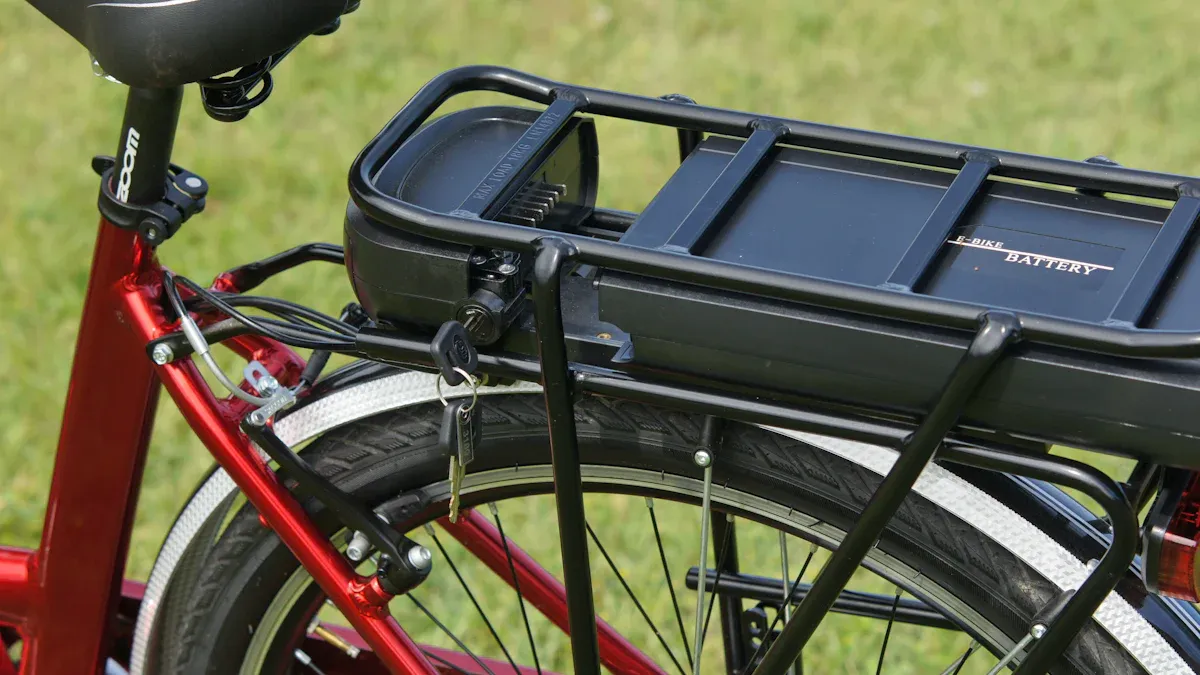
Image Source: pexels
You can keep your electric bike running smoothly with a few easy maintenance tips. Setting up a regular maintenance schedule helps you spot problems early and keeps your ride safe. Most manufacturers suggest checking your bike every 500 to 1,000 miles or at least every six months.
- Check tire pressure and brakes before each ride.
- Inspect brake pads and cables monthly, and lube the chain.
Routine maintenance does not take much time. By maintaining your electric bike, you protect your investment and enjoy more worry-free rides.
Key Takeaways
- Establish a regular maintenance schedule for your electric bike. Check it every 500 to 1,000 miles or at least every six months to catch issues early.
- Follow smart charging habits for your ebike battery. Charge it when it drops to 20-30% and avoid letting it drain completely to extend its lifespan.
- Inspect your tires before each ride. Proper tire pressure improves grip and efficiency, while regular checks help catch leaks and damage early.
- Keep your electric bike clean with a simple routine. Use mild soap and a soft brush to avoid damaging sensitive parts, and dry it thoroughly after washing.
- Regularly check and maintain your brakes. Inspect pads and rotors for wear to ensure safe stopping power and prevent accidents.
Battery Maintenance Tips
Charging Best Practices
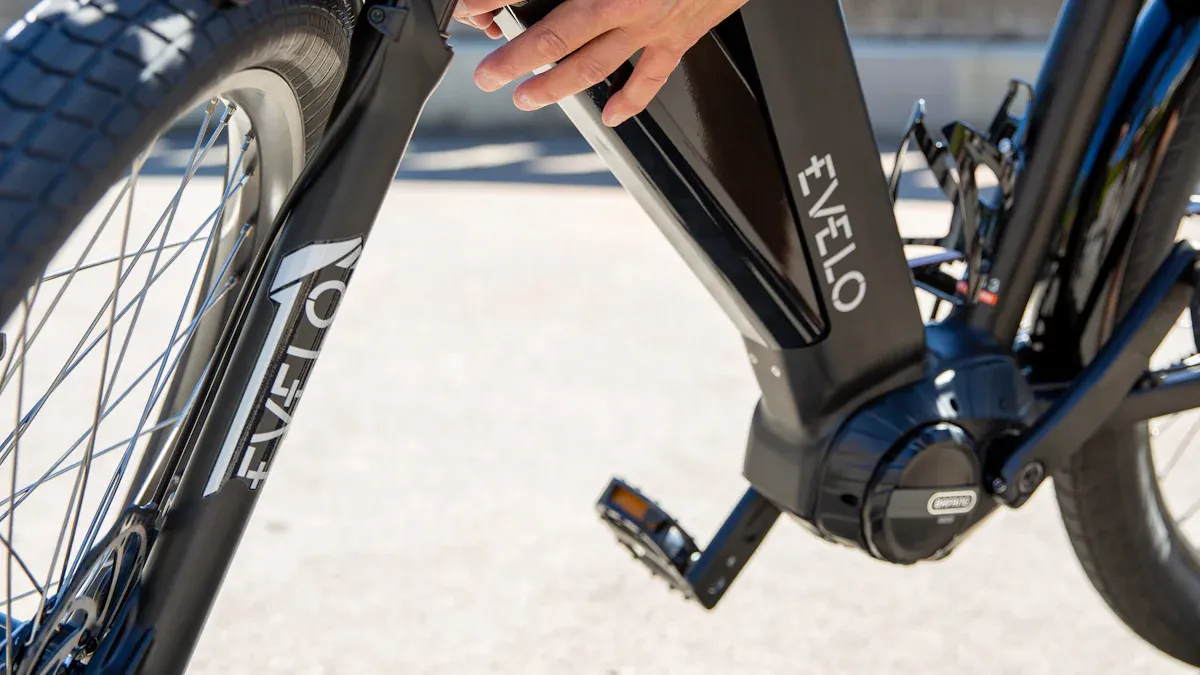
You can extend the life of your ebike battery by following smart charging habits. Plug in your battery when it drops to about 20-30% capacity. Avoid letting it drain completely. Most experts recommend charging up to 80% instead of always reaching 100%. Unplug the charger once the battery is full. Use only manufacturer-approved chargers for your electric bike. Chargers from other brands can shorten battery lifespan and cause charging issues. Charge your battery at room temperature, between 50°F and 77°F. Avoid fast-charging stations, which may overheat the battery and reduce its health.
Tip: Charge your ebike battery after every ride and avoid overcharging. This simple routine helps prevent short battery life, overheating, and loss of power.
Battery Inspection
Regular inspection keeps your ebike running smoothly. Check the battery for cracks, swelling, or loose contacts. Look for signs of leakage or damage. Make sure the battery delivers steady power and charges at a normal rate. If you notice sudden drops in battery life or charging problems, inspect it right away. You can watch instructional videos for guidance if you are new to battery care. Schedule routine check-ups with a professional to catch issues early.
Key indicators of battery health:
- Consistent performance during rides.
- Normal charge and discharge rates.
- Stable battery life between charges.
Storage Guidelines
Proper storage protects your ebike battery and extends its lifespan. Store the battery in a cool, dry place, away from direct sunlight and water. Keep the area clean and uncluttered. Do not place heavy items on top of the battery. For long-term storage, keep the battery at 40-60% charge. Avoid storing it fully charged or fully discharged. Check the battery’s health regularly, especially if you do not use your ebike often. Maintain an ideal storage temperature between 40°F and 70°F.
Note: Charging and storing the battery correctly prevents swelling, overheating, and loss of power. Good maintenance habits help you avoid costly repairs and keep your bike ready for every ride.
Cleaning and Protecting Your Electric Bike
Cleaning Routine
You can keep your bike clean and extend its life with a simple cleaning routine. Start by turning off your ebike and removing the battery. Use a soft brush to sweep away dirt, sand, or dried mud from the frame and wheels. Mix warm water with a mild soap, such as Dawn dish soap, and use a sponge or clean cloth to wipe down the frame. Avoid harsh detergents and never use a high-pressure hose, which can damage sensitive parts. Choose bike-specific cleaners like Finish Line Ebike Cleaner or Muck Off Nano Tech Bike Cleaner for tough spots. Dry your bike with a clean cloth after every wash, especially after riding in the rain. Store your bike in a dry place before reinstalling the battery.
Tip: Degrease the drivetrain first to prevent dirt from spreading. Clean the disc brakes with a dedicated cleaner for best results.
Chain Care
Chain care is a key part of ebike maintenance. Clean and lubricate your chain every 100 to 200 miles if you ride outdoors. If you ride in wet, gritty, or dusty conditions, clean the chain more often. For indoor use, wipe down the chain weekly and do a full cleaning every month. Use a bicycle-specific chain lubricant to keep the chain moving smoothly. A clean chain helps your electric bike run quietly and prevents rust.
- Clean your chain after every wet ride.
- Lubricate after cleaning to reduce wear.
Protecting Electrical Parts
Protecting electrical components during cleaning keeps your ebike safe. Always turn off the power and remove or cover the battery and controller with a cloth or plastic. Avoid spraying water directly on the battery, display, or controller. Use a low-pressure hose or a bucket of water from a safe distance. Make sure all parts are completely dry before reassembling your bike. Regular care of electrical parts prevents corrosion and costly repairs.
Note: Regular cleaning and careful handling of electrical parts help maintain performance and safety.
Tire Care to Keep Your Electric Bike Running Smoothly
Tire Pressure
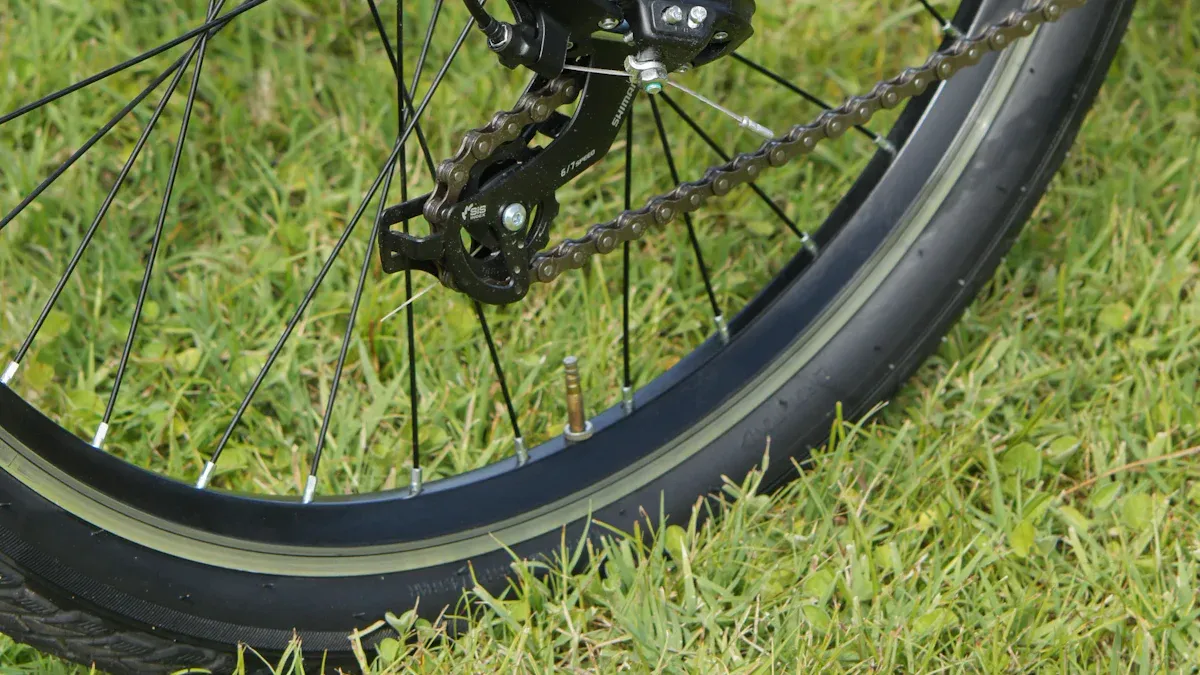
You need to check your tire pressure before every ride. This simple step helps you keep your electric bike running smoothly and safe. Finding the optimal tire pressure is important for comfort, control, and battery life. If your tires are under-inflated, you may notice a rougher ride and more flats. Over-inflated tires can make your ride harsh and reduce traction, especially on wet or uneven roads. Adjust your tire pressure based on your riding style, the terrain, and the weather.
- Proper tire pressure improves grip and efficiency.
- Under-inflated tires drain your battery faster and increase the risk of punctures.
- Over-inflated tires reduce traction and make handling harder.
Tip: Always use a reliable gauge to check tire pressure. Most ebike tires work best between 40 and 65 PSI, but you should follow your manufacturer’s recommendations for optimal tire pressure.
Tire Inspection
Regular inspection is a key part of tire care and maintenance. You should look at your tires before each ride or at least once a week. Check for signs of wear, damage, or low pressure. Look for cracks, bald patches, or anything stuck in the tread. If you spot any problems, fix them before you ride. Pressure checks help you catch leaks early, so you avoid getting stranded.
- Inspect tires for uneven wear and visible cords.
- Check for cracks, dry rot, or smooth spots.
- Make sure your tires hold air and do not go flat often.
Rotation and Replacement
Rotating and replacing your tires keeps your bike safe and improves performance. If you notice strange wobbles, longer stopping distances, or loss of grip, it may be time to replace your tires. Bald patches, visible casing, or tires that will not hold air are clear signs you need new ones. You should rotate your tires if you see uneven wear, which helps them last longer.
| Signs You Need New Tires | What to Do |
|---|---|
| Bald patches | Replace immediately |
| Cracks or dry rot | Replace immediately |
| Loss of grip | Replace immediately |
| Tire won’t hold air | Replace immediately |
Note: Good tire care helps you avoid accidents and keeps your electric bike running smoothly. Regular maintenance makes every ride safer and more enjoyable.
Brake System Maintenance Tips
Brake Checks
You need to check your brakes regularly to keep your rides safe. Brakes that work well help you stop quickly and avoid accidents. Weak or spongy brakes, worn pads, or dirty rotors can all reduce stopping power. You should look for these problems before every ride. The table below shows some common brake issues you might find on your electric bicycle and what causes them:
| Brake Issue | Description | Causes |
|---|---|---|
| Weak or Spongy Brakes | Soft lever feel, less stopping power | Worn pads, loose cables, misaligned calipers |
| Worn Brake Pads | Pads thinner than 1-3mm, less friction | Pads need replacing |
| Contaminated Pads/Rotor | Oil or dirt on pads or rotor, less grip | Lack of cleaning, riding in wet or dirty conditions |
| Brake Cable Issues | Loose or frayed cables, weak braking | Cable wear, lack of adjustment |
| Hydraulic Fluid Issues | Spongy feel, low fluid, air in lines | Fluid leaks, lack of maintenance |
| Brake Overheating | Loss of stopping power after long braking | Prolonged braking, steep descents |
Tip: Regular brake checks are a key part of e-bike safety and help prevent accidents.
Pad and Rotor Inspection
You should inspect your brake pads and rotors often. Pads that wear below 1.5mm lose their ability to stop your ebike safely. Rotors with deep grooves or warping also need attention. Follow these inspection tips:
- Inspect brake pads every 600 miles or once a month.
- Replace pads if they are thinner than 1.5mm.
- High-usage riders should check pads every 500 miles.
- Most pads last between 1,200 and 2,000 miles.
Clean rotors with a dedicated cleaner to remove oil and dirt. This simple care step keeps your electric bike’s brakes working well.
Adjustments
You can adjust your brakes at home with a few easy steps. Proper adjustments keep your bike safe and make riding smoother. Follow this process:
- Adjust brake tension using the barrel adjuster at the lever. Turn it to tighten or loosen the cable, then test the lever.
- Align brake pads with the disc rotor. Use a 5mm Allen key to center the pads, then tighten the bolts.
- Inspect the brake cable for fraying or damage. Replace the cable if you see any wear.
Regular maintenance and care of your brake system help you ride with confidence and keep your ebike in top shape.
Storing Your Electric Bike
Indoor Storage
Storing your electric bike indoors gives you the best protection from weather and theft. You can use a garage, basement, or even a hallway. Indoor storage keeps your ebike safe from rain, snow, and sunlight. This helps prevent rust and battery damage. A controlled environment also keeps your bike in top condition.
Tip: Always dry your bike before storing it, especially after riding in the rain.
You can use different storage options indoors. The table below shows some popular choices:
| Storage Option | Best For | Key Pros | Watch-outs |
|---|---|---|---|
| Vertical wall rack | Apartments, garages | Saves space, safe for hydraulics | Mount into studs, avoid upside-down |
| Ceiling hoist | Garages with high ceilings | Frees floor, easy lift | Anchor into joists, watch cables/cars |
| Metal bike shed + anchor | Yards, driveways | Weather and theft protection | Needs proper base and certified locks |
You should lock your ebike to something solid, even indoors. Use a U-lock and a chain lock for extra security. Elevate your bike if possible to keep it off the ground.
Outdoor Storage
If you must store your bike outside, choose a sheltered spot. Use a waterproof cover to protect it from rain, snow, and sun. Secure your ebike with multiple locks to reduce theft risk. Remove any accessories before storage.
- Sheds and lockers offer the best outdoor protection.
- Bike covers work for short-term storage or travel.
- Always remove the battery and store it in a cool, dry place.
Note: Regular maintenance checks help keep your ebike safe and ready to ride.
Seasonal Tips
When you store your ebike for a long time, follow these steps for the best care:
- Clean your bike and battery contacts to prevent rust and corrosion.
- Store the battery at 30-60% charge in a cool, dry place.
- Lubricate the chain to keep it moving smoothly.
- Schedule a maintenance check before and after storage.
You should keep the storage area between 40°F and 68°F. Avoid very hot or cold places. These steps help your ebike last longer and perform better when you ride again.
Easy Maintenance Tips and Tools
Essential Tools
You can handle most basic electric bicycle maintenance at home with a few simple tools. These tools help you keep your bike in top shape and make small repairs easy. Here are the essentials you should have:
- Hex wrench set (including T25 Torx)
- Metric hex wrench set for adjustments
- Torx® wrenches for special fittings
- Box-end metric wrench for axle nuts
- Tire levers for changing or repairing tires
- Patch kit or spare tube for fixing flats
- Floor pump with a pressure gauge
Tip: Keep your tools in a small bag or box so you can find them quickly when you need them.
Pro Maintenance Advice
Some repairs need a professional touch. You should visit a bike shop if you face complex repairs, advanced mechanical issues, or need to replace major parts. A trained mechanic has the right skills and tools to keep your ebike safe. If you do not have the right tools or feel unsure about a repair, ask for help. This keeps you and your bike safe.
You can also avoid common mistakes by following easy maintenance tips. Do not overcharge your battery. Always check your brakes before you ride. Schedule regular check-ups instead of waiting for problems to appear.
Simple habits help your bike last longer. The table below shows some daily and weekly routines that protect your ebike:
| Habit | Description |
|---|---|
| Avoid Fully Draining the Battery | Charge when it drops to 20-30%. Do not let it go below 10%. |
| Don’t Leave It Fully Charged Long | Unplug after charging. Store at 60-80% if not used for a while. |
| Charge in a Safe Temperature Range | Charge in a dry, room-temperature place (50°F to 85°F). |
| Limit High Power Discharge | Use pedal assist wisely. Avoid full-throttle riding often. |
| Check Battery Connectors Regularly | Inspect terminals and charging port monthly for dust or rust. |
| Proper Storage for Inactive Periods | Remove battery and store in a cool, dry place at 50-70% charge. |
| Always Use the Official Charger | Use the original or approved charger from the manufacturer. |
Note: These easy maintenance tips help you prevent costly repairs and keep your bike ready for every ride.
You keep your ebike safe and reliable when you follow a regular maintenance routine.
- Regular inspections and basic quality checks help you spot problems early and prevent accidents.
- Cleaning and lubricating your chain reduce friction and rust, which helps extend e-bike lifespan.
- Setting up a simple schedule for your bike ensures you enjoy smooth rides and avoid costly repairs.
Proactive care gives you confidence every time you ride.
FAQ
How often should you get your ebike professionally serviced?
You should schedule a professional service every six months or after riding 1,000 miles. Regular service helps you catch problems early and keeps your ebike running safely.
What is the best way to clean your bike after a muddy ride?
Use a soft brush and mild soap to remove mud. Dry your bike with a clean cloth. Avoid spraying water on electrical parts. You can ask for a cleaning service if you need help.
Can you replace brake pads yourself or do you need a service?
You can replace brake pads at home with basic tools. If you feel unsure, visit a bike shop for a service. Professional service ensures your brakes work correctly.
What should you do if your battery loses power quickly?
Check the battery for damage or loose connections. Charge it with the official charger. If problems continue, contact a service center for help.
